Geothermal energy in Southeast Asia faces financing and community hurdles

Southeast Asia’s vast geothermal energy potential remains underused due to financial risks, regulatory delays and local resistance, despite efforts to expand its role in clean energy transitions.

Victoria Milko reports for The Associated Press.


In short:

  • Indonesia and the Philippines have significant geothermal reserves but use less than 10% of their potential due to high costs and risks during the exploratory phase.
  • Both nations aim to boost geothermal energy as part of their renewable energy goals, with Indonesia working to streamline permits and the Philippines offering green energy auctions.
  • Community opposition, often rooted in safety and environmental concerns, has slowed projects, highlighting the need for better public engagement.

Key quote:

“We need to show that this development benefits all people, not just a company. It’s not about being a good neighbor, it’s about being the best neighbor and really working with communities to respect their concerns.”

— Marit Brommer, CEO of the International Geothermal Association

Why this matters:

Geothermal energy offers a reliable and clean alternative to fossil fuels, essential for combating climate change. Overcoming development challenges in Southeast Asia could unlock this resource’s potential, reducing emissions and supporting sustainable growth.

Related:

Elevated Outer Banks beach house threatened by rising sea levels

Analysis: Despite Trump actions, the most dangerous climate argument today isn’t denial — it’s delay

Belief in climate change is rising, but action stalls. New research reveals how subtle narratives are slowing policy – and how to fight back.
Siberian taiga and the river Tunguska fall from a helicopter. Larch taiga in September on the banks of the river and in Evenkia. Krasnoyarsk region Russia
Credit: okyela/BigStock Photo ID: 218595346

Rusting rivers: Alarm grows over uptick in acidic Arctic waters

Climate change has thawed permafrost and increased rainfall in the Far North, producing sulfuric acid that is turning rivers and lakes yellow or rusty orange. Scientists are scrambling to parse the impacts on wildlife, fish, and the drinking water of Indigenous communities.
Gas dehydration process to remove moisture from gas before enter to carbon dioxide unit, pressurize vessel and piping of petrochemical industry.
Credit: stockerfreelance/BigStock Photo ID: 251854741

Carbon removal industry reels as Microsoft retreats

Once held up as a key solution to climate change, a field that aims to remove carbon from the atmosphere is struggling to catch on.
North Atlantic erosion eating away at the coastline jeopardizing structures

Critical Atlantic current significantly more likely to collapse than thought

Scientists say finding is ‘very concerning’ as collapse would be catastrophic for Europe, Africa and the Americas.

Trucks for transporting cranberries off to a processing plant drive along the edge of the vibrant red berry filled bog
Credit: duckeesue/BigStock Photo ID: 38367985

Cranberry bog data project shows how to turn the farms into wetlands

The largest restored wetlands in Massachusetts now cover hundreds of acres of what used to be cranberry farms.
Many solar panels arranged in a circular pattern viewed from above

Solar power in Morocco's desert: Bold vision, mixed results

A massive solar tower in the Moroccan desert is the beacon of an ambitious push for a clean energy future. But fossil fuels and grid constraints stand in the way.
Two farmers crouching in a field reviewing the soil

Farmers struggle to rebuild soil after Hurricane Helene’s devastating floods

After Hurricane Helene washed away or buried vital topsoil across the Southeast, farmers are facing years-long efforts to restore the foundation of their livelihoods.

From our Newsroom
Multiple Houston-area oil and gas facilities that have violated pollution laws are seeking permit renewals

Multiple Houston-area oil and gas facilities that have violated pollution laws are seeking permit renewals

One facility has emitted cancer-causing chemicals into waterways at levels up to 520% higher than legal limits.

Regulators are underestimating health impacts from air pollution: Study

Regulators are underestimating health impacts from air pollution: Study

"The reality is, we are not exposed to one chemical at a time.”

Pennsylvania governor Josh Shapiro speaks with the state flag and American flag behind him.

Two years into his term, has Gov. Shapiro kept his promises to regulate Pennsylvania’s fracking industry?

A new report assesses the administration’s progress and makes new recommendations

silhouette of people holding hands by a lake at sunset

An open letter from EPA staff to the American public

“We cannot stand by and allow this to happen. We need to hold this administration accountable.”

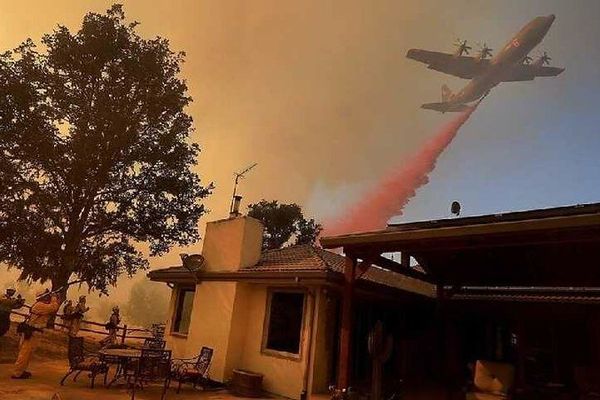
wildfire retardants being sprayed by plane

New evidence links heavy metal pollution with wildfire retardants

“The chemical black box” that blankets wildfire-impacted areas is increasingly under scrutiny.

Stay informed: sign up for The Daily Climate newsletter
Top news on climate impacts, solutions, politics, drivers. Delivered to your inbox week days.