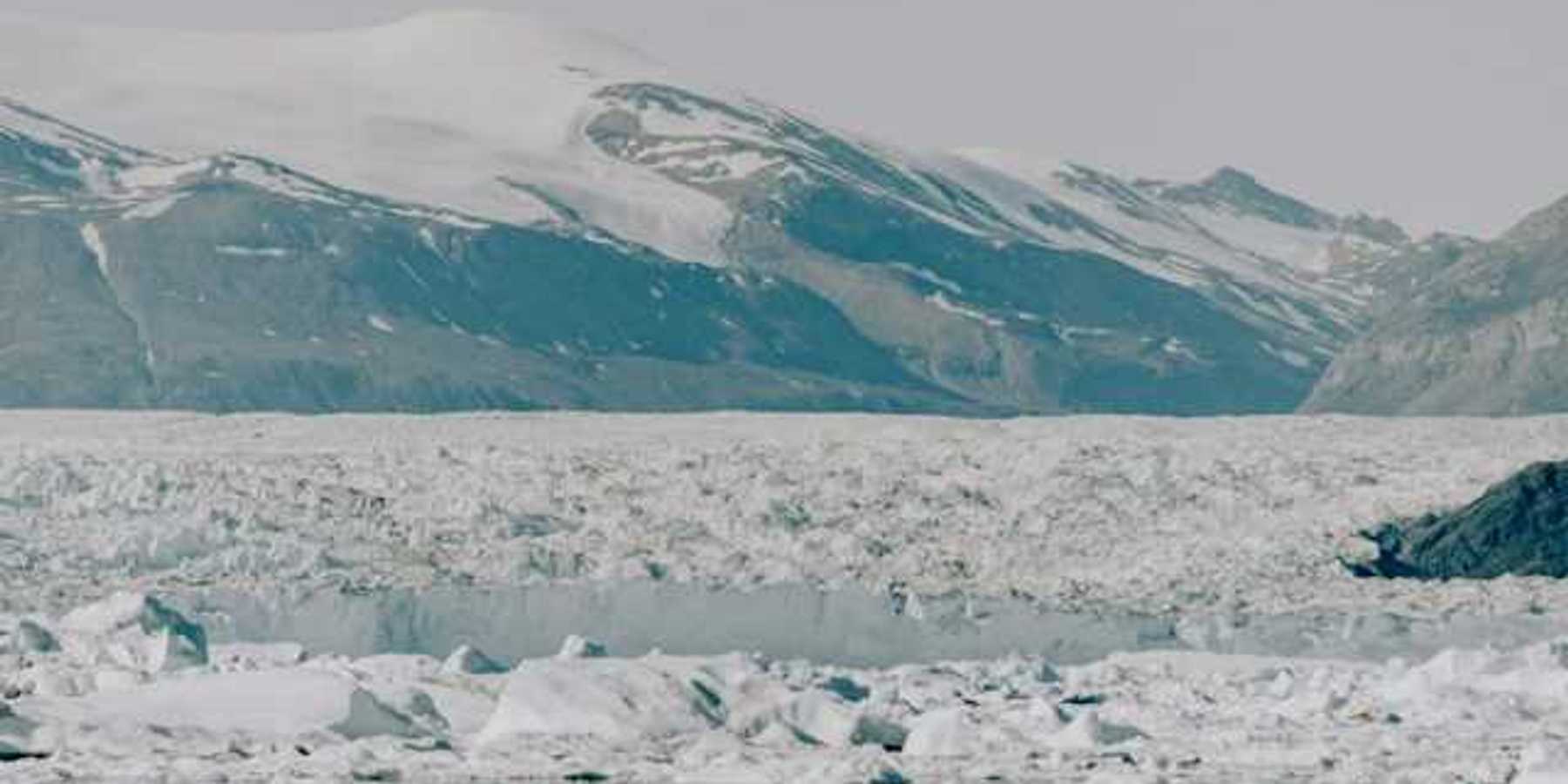
Great Lakes experience drastic reduction in ice cover

Last month, the Great Lakes recorded an average ice cover of just 6%, one of the lowest levels in the past 50 years, signaling a concerning trend linked to global heating.

Nina Lakhani reports for The Guardian.


In short:

  • The Great Lakes' ice cover has significantly decreased, with only 6% coverage last month, far below the 50-year average.
  • Scientists attribute this decline to global heating, leading to rapid ice loss and warmer water temperatures.
  • The reduction in ice cover has widespread environmental, cultural, and societal impacts, including changes in the ecosystem and challenges for regional tourism and industries.

Key quote:

"If the planet continues to warm, 215,000 lakes may no longer freeze every winter and almost 5,700 lakes may permanently lose ice cover by the end of the century."

—Sapna Sharma, professor at York University

Why this matters:

The diminishing ice cover in the Great Lakes is an indicator of climate change's impact on natural ecosystems. This trend not only disrupts local wildlife and fisheries but also affects cultural practices and economic activities dependent on winter conditions. It underscores the urgency of addressing global heating to preserve these vital freshwater resources.

A byproduct of yellow pigment manufacturing is showing up in Great Lakes air—and it isn't going away.

solar panels on a farm field

Opinion: How Maryland can meet its energy goals without sacrificing farmland

There's no question that Maryland needs more, and cleaner, energy, and there's no question that the state is losing farmland at an alarming rate. But the state can achieve the first without worsening the second.

A view of a Nepalese village from above

Changing weather patterns threaten time-tested houses in Nepal village

Residents of Thini village in Nepal face worsening damage to ancestral mudbrick homes as increasing rain and snow cause leaks and weaken walls.

A small impoverished child sitting against a concrete curb

Global progress on extreme poverty is stalling and may reverse soon

Decades of progress against extreme poverty may stall or reverse, with those living on under $3 a day projected to rise after 2030.

A petrochemical plant on the edge of a river

Petrochemical expansion in texas will fall heavily on communities of color, study finds

Nearly 90% of proposed Texas petrochemical projects are placed in counties with high poverty and people-of-color populations, worsening pollution burdens.

white egret flying over wetland with trees in background.

From invasive species tracking to water security – what’s lost with federal funding cuts at US Climate Adaptation Science Centers

The people who manage America’s aquifers, wetlands, shorelines and recreation areas rely on federal science as they face new and rising risks in a changing climate.
silhouette of a girl facing sunset, golden sky and water

Who’s ready to think about blocking out the sun?

The idea of artificially lowering the planet’s temperature is gaining supporters and hitting political opposition.
Chest-down person in white protective suit and rubber boots carrying metal case, walking a shoreline.
Credit: Getty Images For Unsplash+

From invasive species tracking to water security – what’s lost with federal funding cuts at US Climate Adaptation Science Centers

The people who manage America’s aquifers, wetlands, shorelines and recreation areas rely on federal science as they face new and rising risks in a changing climate.
From our Newsroom
Multiple Houston-area oil and gas facilities that have violated pollution laws are seeking permit renewals

Multiple Houston-area oil and gas facilities that have violated pollution laws are seeking permit renewals

One facility has emitted cancer-causing chemicals into waterways at levels up to 520% higher than legal limits.

Regulators are underestimating health impacts from air pollution: Study

Regulators are underestimating health impacts from air pollution: Study

"The reality is, we are not exposed to one chemical at a time.”

Pennsylvania governor Josh Shapiro speaks with the state flag and American flag behind him.

Two years into his term, has Gov. Shapiro kept his promises to regulate Pennsylvania’s fracking industry?

A new report assesses the administration’s progress and makes new recommendations

silhouette of people holding hands by a lake at sunset

An open letter from EPA staff to the American public

“We cannot stand by and allow this to happen. We need to hold this administration accountable.”

wildfire retardants being sprayed by plane

New evidence links heavy metal pollution with wildfire retardants

“The chemical black box” that blankets wildfire-impacted areas is increasingly under scrutiny.

Stay informed: sign up for The Daily Climate newsletter
Top news on climate impacts, solutions, politics, drivers. Delivered to your inbox week days.