Green spaces can help reduce heat-related deaths and illness in cities, study finds

A new review highlights that adding parks, trees and greenery to urban areas can mitigate heat-related health risks and improve mental well-being, especially among vulnerable populations.

Andrew Gregory reports for The Guardian.


In short:

  • A study found that urban green spaces help reduce heat-related deaths and illness by lowering local temperatures.
  • The review drew on global research and showed that areas with more greenery have better mental health and fewer cases of heat-related harm.
  • Vulnerable groups, including children and elderly people, benefit most from access to safe, green public spaces.

Key quote:

"Urban green spaces play a vital role in mitigating heat-related health risks, offering a potential strategy for urban planning to address climate change and enhance public health."

— Researchers, London School of Hygiene & Tropical Medicine

Why this matters:

With global temperatures rising due to climate change, access to green spaces can help cities protect public health by reducing heat-related illnesses. Ensuring equitable access to these areas could also address health disparities.

Related EHN coverage: Trees, science and the goodness of green space.

Grid-scale white storage battery

For cheaper power, Virginia’s local utilities build small grid batteries

Rural co-ops and a city utility will save big with a collection of 5-MW batteries, which are easier to site and faster to get up and running than megaprojects.

Orange excavator loading yellow rock truck at coal mine
Credit: Photo by Mukovhe Mavhungu on Unsplash

Inside the fiery end of Vancouver Island’s last coal mine

How a US owner’s dream of ‘clean’ coal left behind acid, arsenic and a warning for today. A Tyee investigation.
Dismantled yellow and white wind tower lying on the ground awaiting assembly
Credit: Photo by Engineered Solutions on Unsplash

More than 150 wind projects stall as Pentagon delays reviews

The delays, which companies say have worsened significantly in recent weeks, are the latest step in the Trump administration’s efforts to block wind power.
A spoon with microplastics in it on a black background
Credit: UkrOlenochka/Big Stock Photo ID: 296392330

Microplastics could be contributing to climate change, new study finds

A new study indicates that minuscule pieces of plastic — particularly ones of various colors — are contributing to heating the atmosphere.
Two yellow rock trucks parked in a lithium mining cut

How the rush to mine the metal of the future echoes America’s colonial past

Companies have staked claims for more than 100 lithium-mine projects. Tribes are among the most affected.
White pelicans, ducks, marsh with refineries and petrochemical plants in background. shot at San Jacinto Monument Park near Houston, Texas.
Credit: PaulWolf/BigStock Photo ID: 372975

‘Living in survival mode’: Houston’s embattled immigrant community faces health, climate and petrochemical crises

Amid immigration raids, chemical spills, massive floods and costly healthcare, less-affluent residents of one of the most diverse US cities struggle to pull through.

From our Newsroom
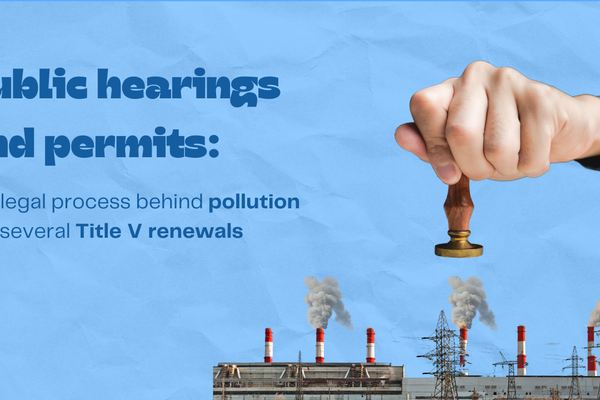
Multiple Houston-area oil and gas facilities that have violated pollution laws are seeking permit renewals

Multiple Houston-area oil and gas facilities that have violated pollution laws are seeking permit renewals

One facility has emitted cancer-causing chemicals into waterways at levels up to 520% higher than legal limits.

Regulators are underestimating health impacts from air pollution: Study

Regulators are underestimating health impacts from air pollution: Study

"The reality is, we are not exposed to one chemical at a time.”

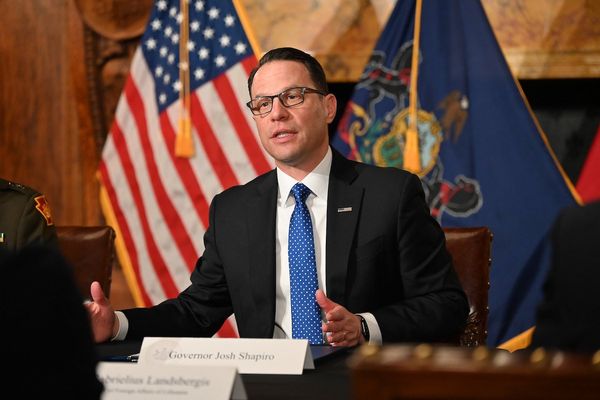
Pennsylvania governor Josh Shapiro speaks with the state flag and American flag behind him.

Two years into his term, has Gov. Shapiro kept his promises to regulate Pennsylvania’s fracking industry?

A new report assesses the administration’s progress and makes new recommendations

silhouette of people holding hands by a lake at sunset

An open letter from EPA staff to the American public

“We cannot stand by and allow this to happen. We need to hold this administration accountable.”

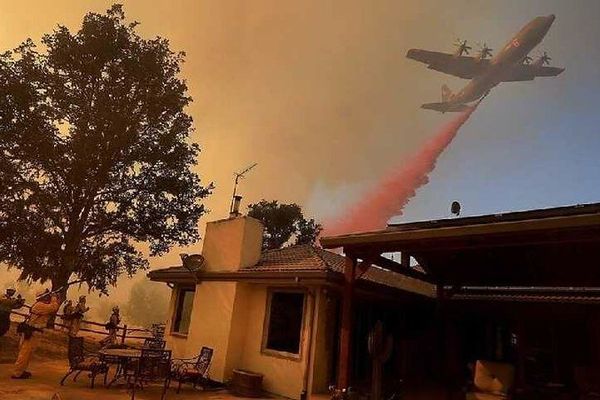
wildfire retardants being sprayed by plane

New evidence links heavy metal pollution with wildfire retardants

“The chemical black box” that blankets wildfire-impacted areas is increasingly under scrutiny.

Stay informed: sign up for The Daily Climate newsletter
Top news on climate impacts, solutions, politics, drivers. Delivered to your inbox week days.