Heatwave relief at risk as Trump administration layoffs stall $400 million in energy aid

A federal energy assistance program that helps low-income families pay utility bills is in limbo after Trump administration layoffs gutted the office responsible for distributing nearly $400 million in summer heat relief funds.

Nina Lakhani reports for The Guardian.


In short:

  • The Department of Health and Human Services (HHS) cannot distribute the final 10% of Low Income Home Energy Assistance Program (LIHEAP) funds because it fired the 25-member staff who ran it, citing an “efficiency” initiative.
  • State officials warn this could put millions at risk of utility shutoffs, especially in the South, where air conditioning access may be essential for survival during extreme heat events.
  • Lawmakers and advocates are pressuring HHS Secretary Robert F. Kennedy Jr. to rehire the fired employees and release the money by May 1 so states can implement emergency summer programs.

Key quote:

"LIHEAP saves lives in states where summer heat and winter cold can be deadly."

— Mark Wolfe, energy economist and executive director of the National Energy Assistance Directors Association

Why this matters:

As climate change drives longer, deadlier heatwaves, the stakes of energy insecurity grow. Households that once relied on temporary fixes like fans, opened windows, or layering clothes now face weather extremes that can turn these inconveniences into fatal threats. In cities like Phoenix, where 113 consecutive days over 100 degrees were recorded last summer, heat-related deaths have surged, many occurring indoors in homes without functioning air conditioning. Yet more Americans are falling behind on energy bills amid inflation and stagnant wages, with one in six households now in arrears. Without programs like Liheap, these families risk shutoffs at the worst possible time.

Related: Trump’s layoffs freeze $380 million in energy aid as extreme heat looms

A fur seal lounging on a rock in the sun

As waters around Alaska warm, algal toxins are turning up in new places in the food web

Fur seal die-offs in the Pribilof Islands, attributed to algal toxins, are part of a trend affecting people who depend on the Bering Sea.
A power plant's smokestacks billowing smoke into the air

Surging energy demand helps fuel Trump’s love affair with coal

Keeping coal plants online has become the U.S. grid’s unofficial insurance policy, even as their emissions exacerbate extreme weather.
A black woman farmer standing in her fields in Rwanda

Two women, two different continents, but they have the same problem with their farms

Farmers in two very different parts of the world are experiencing similar impacts from climate change, including extreme weather and emerging livestock diseases.

A dry environment with a dam and a small amount of water in view

Iran was already running out of water. Then came the ‘war on infrastructure’

Military strikes, drought, and a legacy of overpumping are driving Iran’s fragile food and water system to the brink.
A coal power plant viewed from above

Utilities warn of soaring costs related to Trump order for Indiana coal plants to stay open

A renewed federal order is keeping two aging Indiana coal plants running months after their planned retirement.
USA flag and Iran flag on cracked wall damage. United state of America and Iran have conflict in nuclear weapons and Strait of Hormuz.
Credit: Dilok/BigStock Photo ID: 305909299

White House’s ‘drill baby drill’ wartime mandate meets volatile market reality

At CERAWeek, Energy Secretary Chris Wright urges a patriotic surge in oil production, but industry titans warn that the U.S.-Iran war has fractured the global energy map beyond the reach of a quick fix.
Large expanse of solar panels stretching out to distant hills.

Wealthy investors target foes of clean energy, seeking revenge

Renewable energy leaders said their industry got “rolled” in President Trump’s tax bill. Now they’re fighting back, starting in Texas.
From our Newsroom
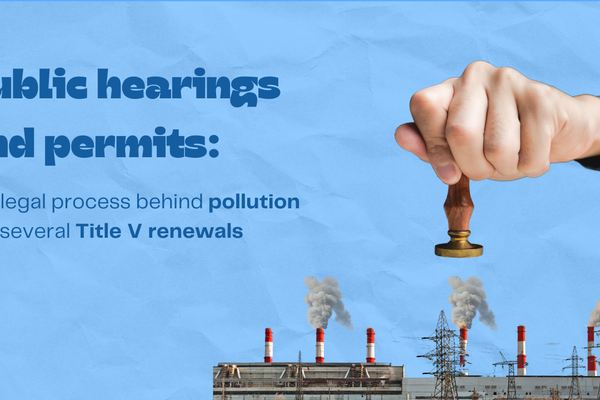
Multiple Houston-area oil and gas facilities that have violated pollution laws are seeking permit renewals

Multiple Houston-area oil and gas facilities that have violated pollution laws are seeking permit renewals

One facility has emitted cancer-causing chemicals into waterways at levels up to 520% higher than legal limits.

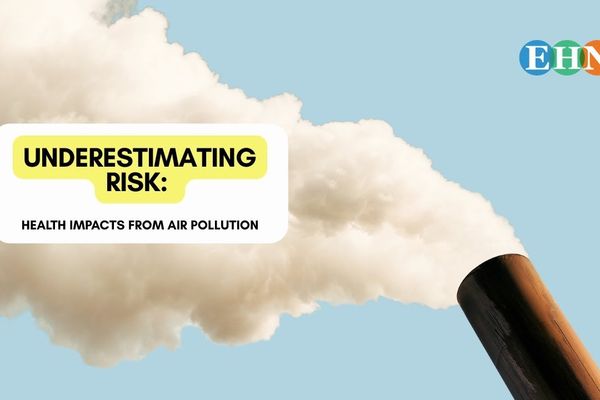
Regulators are underestimating health impacts from air pollution: Study

Regulators are underestimating health impacts from air pollution: Study

"The reality is, we are not exposed to one chemical at a time.”

Pennsylvania governor Josh Shapiro speaks with the state flag and American flag behind him.

Two years into his term, has Gov. Shapiro kept his promises to regulate Pennsylvania’s fracking industry?

A new report assesses the administration’s progress and makes new recommendations

silhouette of people holding hands by a lake at sunset

An open letter from EPA staff to the American public

“We cannot stand by and allow this to happen. We need to hold this administration accountable.”

wildfire retardants being sprayed by plane

New evidence links heavy metal pollution with wildfire retardants

“The chemical black box” that blankets wildfire-impacted areas is increasingly under scrutiny.

Stay informed: sign up for The Daily Climate newsletter
Top news on climate impacts, solutions, politics, drivers. Delivered to your inbox week days.