HHS abruptly eliminates staff for federal energy aid program serving millions

The U.S. Department of Health and Human Services fired all federal employees running a key energy assistance program for low-income families, raising concerns about access to funds as summer approaches.

Rachel Frazin reports for The Hill.


In short:

  • HHS fired the entire federal staff managing the Low Income Home Energy Assistance Program (LIHEAP), which helps poor families pay heating and cooling bills.
  • About 15 people had staffed LIHEAP before the layoffs, which also included all federal workers overseeing Social Services Block Grants.
  • The firings are part of a broader cut ordered by the Trump administration to reduce HHS staff by 20,000 employees, with officials citing a shift toward focusing on chronic disease prevention.

Key quote:

“My fear is that quietly in their homes, grandmothers will die this summer.”

— Katrina Metzler, executive director of the National Energy & Utility Affordability Coalition

Why this matters:

The quiet dismantling of federal oversight for the Low Income Home Energy Assistance Program threatens to sever a crucial support system for more than six million U.S. households that rely on it to keep the heat on in winter and the AC running in sweltering summer months. As climate change pushes temperatures to new extremes, LIHEAP has become more than a seasonal subsidy — it's a public health safeguard, especially for elderly residents, medically vulnerable individuals, and families with young children. But with federal staff eliminated, states could face bureaucratic bottlenecks just as need spikes, leaving people in the lurch.

Related EHN coverage:
A view of a house destroyed by a flood

How flooding made its way into the Ottawa election

On Canada Day, parts of Ottawa were hit with a one-in-200-year storm. Nearly four months later, it’s still having an impact as the polls open for Ontario’s municipal elections.

A man at a table working on a computer

Online tool tracks climate-related bills in 10 states

As voters prepare to cast their ballots, those concerned about global warming may want to learn which climate-related policies their elected officials have supported or opposed.

An aerial view of a forest with deforested area on the left

Lula wins Brazil election after cutting Amazon deforestation to record low

Lula’s victory in Brazil's presidential election brings hope for the Amazon — but far-right gains threaten progress.

An overhead view of rows of solar panels and wind turbines in the distance

The Michigan climate candidate courting opponents of Big Solar

Sunrise Movement co-founder William Lawrence is navigating backlash against data centers — and clean energy — in his bid for Congress.

An aerial view of two farmers standing next to raised beds

Study: Regenerative agriculture farms hold key climate solutions

A major study comparing 200 U.S. farms found that advanced regenerative farming practices increased soil carbon storage by nearly 40% compared with conventional methods while supporting greater biodiversity.

A city skyline with a layer of haze above the buildings

Why more than half the world has likely breathed unhealthy air this year

Even as many countries have made progress in cutting ozone-fueling emissions, high temperatures can outweigh those gains.
A large glacier with mountains in the background

This climate data scientist explains what the numbers really mean

Hannah Ritchie offers advice based on her many years studying the data behind clean energy, electric vehicles, and other climate solutions.
From our Newsroom
Multiple Houston-area oil and gas facilities that have violated pollution laws are seeking permit renewals

Multiple Houston-area oil and gas facilities that have violated pollution laws are seeking permit renewals

One facility has emitted cancer-causing chemicals into waterways at levels up to 520% higher than legal limits.

Regulators are underestimating health impacts from air pollution: Study

Regulators are underestimating health impacts from air pollution: Study

"The reality is, we are not exposed to one chemical at a time.”

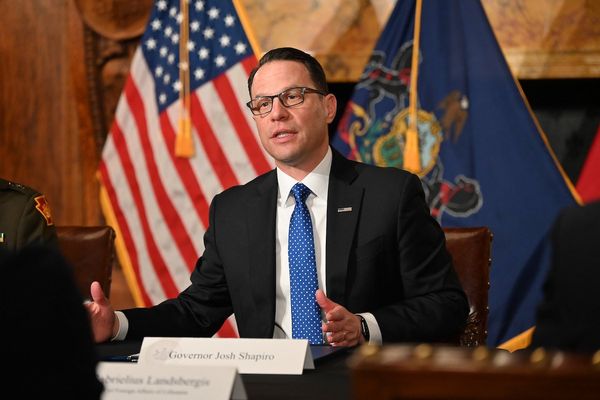
Pennsylvania governor Josh Shapiro speaks with the state flag and American flag behind him.

Two years into his term, has Gov. Shapiro kept his promises to regulate Pennsylvania’s fracking industry?

A new report assesses the administration’s progress and makes new recommendations

silhouette of people holding hands by a lake at sunset

An open letter from EPA staff to the American public

“We cannot stand by and allow this to happen. We need to hold this administration accountable.”

wildfire retardants being sprayed by plane

New evidence links heavy metal pollution with wildfire retardants

“The chemical black box” that blankets wildfire-impacted areas is increasingly under scrutiny.

Stay informed: sign up for The Daily Climate newsletter
Top news on climate impacts, solutions, politics, drivers. Delivered to your inbox week days.