Hotter summers could kill millions in Europe by 2100

Without significant cuts to carbon emissions and adaptation efforts, Europe could face up to 2.3 million heat-related deaths annually by the century’s end, a study finds.

Seth Borenstein reports for The Associated Press.


In short:

  • Climate simulations predict heat deaths in southern Europe will surge, especially in Italy, Spain and Greece, as cold-related deaths decline in less populated northern regions.
  • Even under optimistic climate scenarios, rising temperatures result in a net increase in heat-related deaths, particularly affecting older and vulnerable populations.
  • Europe’s aging population and lack of widespread air conditioning heighten risks; wealthier western Europe is better equipped than the east to adapt.

Key quote:

“When you think about summertime daytime temperatures in places like Rome — they start to get up into the 40s (celsius)... That’s very heat stress/heat stroke territory for healthy young people and very dangerous for older people, particularly if they don’t have air conditioning.”

— Dr. Courtney Howard, vice chair of the Global Climate and Health Alliance

Why this matters:

Rising temperatures, increasingly frequent heatwaves and shifting weather patterns are creating new health challenges, exacerbating existing ones and placing a growing burden on healthcare systems. In Europe, where the population is aging rapidly, the risks are compounded. Older adults are more vulnerable to heat-related illnesses like heat exhaustion and heatstroke, as well as chronic conditions that can be worsened by extreme temperatures, such as cardiovascular and respiratory diseases. Without urgent action to curb emissions and adapt infrastructure, experts warn that heat-related deaths could rise sharply in the coming decades.

Related:
Small Black child sitting his fathers lap covering his eyes

Insurance has become the real disaster for Black families

From Altadena to Alabama, Black families learn the real catastrophe starts after the disaster, when insurers decide who is worth saving.
A family having a picnic in a greenfield

The psychological distance between us and climate disaster

An analysis of dozens of previously published studies reveals people systematically underestimate their own vulnerability to climate threats.
A group of people in a subway car on a hot day

As heat rises, so do complaints about stuffy subway rides

A new study shows that as temperatures rise aboveground, the number of subway riders reporting uncomfortable heat belowground increases.

Solar panels in a snowy landscape with mountains in the background

The feds pulled $1.5B from tribal clean energy. Tribes are finding another way

With federal funding gone, tribes are turning to philanthropy, alternative lenders, and their own institutions.
Two men painting a mural on a concrete wall of an African hut and village scene

Middle East conflict exposes Africa’s fossil fuel risks & the case for clean energy

If the ongoing conflict continues, energy prices could spike, driving up costs across African economies, which heavily rely on imported oil and gas.

Entrance sign to Grand Staircase-Escalante National Monument, U.S. Department of the Interior, Bureau of Land Management
Credit: Melissa Kopka/BigStock Photo ID: 259884463

Republicans target public lands protections in a new way

Republicans in Congress want to allow more mining and oil drilling on federal public lands, and they’ve recently turned to an obscure legislative maneuver to open areas for business.
A woman at the front of a protest holding a microphone

Women bear the brunt of climate change. Meet the green politicians determined to change that

For International Women’s Day, Euronews Green highlighted some of the female politicians spearheading the never-ending fight against climate change.

From our Newsroom
Multiple Houston-area oil and gas facilities that have violated pollution laws are seeking permit renewals

Multiple Houston-area oil and gas facilities that have violated pollution laws are seeking permit renewals

One facility has emitted cancer-causing chemicals into waterways at levels up to 520% higher than legal limits.

Regulators are underestimating health impacts from air pollution: Study

Regulators are underestimating health impacts from air pollution: Study

"The reality is, we are not exposed to one chemical at a time.”

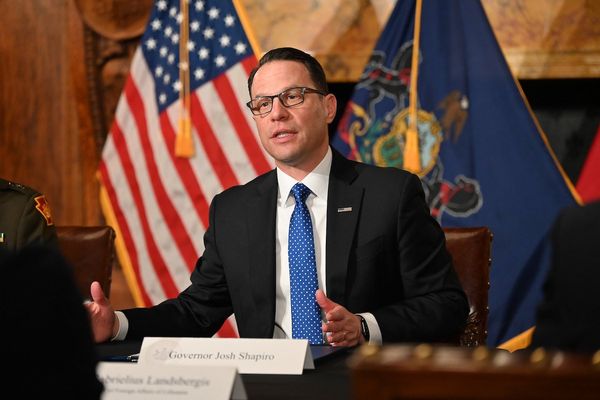
Pennsylvania governor Josh Shapiro speaks with the state flag and American flag behind him.

Two years into his term, has Gov. Shapiro kept his promises to regulate Pennsylvania’s fracking industry?

A new report assesses the administration’s progress and makes new recommendations

silhouette of people holding hands by a lake at sunset

An open letter from EPA staff to the American public

“We cannot stand by and allow this to happen. We need to hold this administration accountable.”

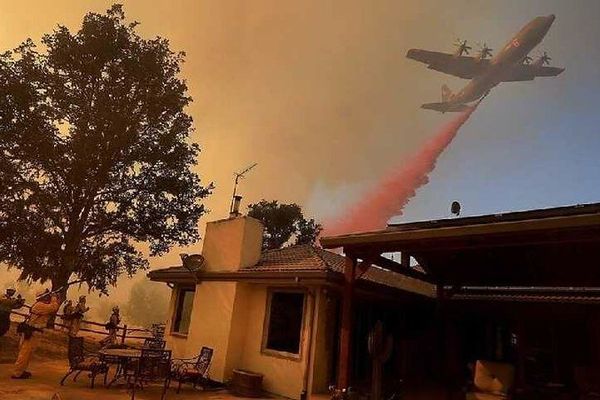
wildfire retardants being sprayed by plane

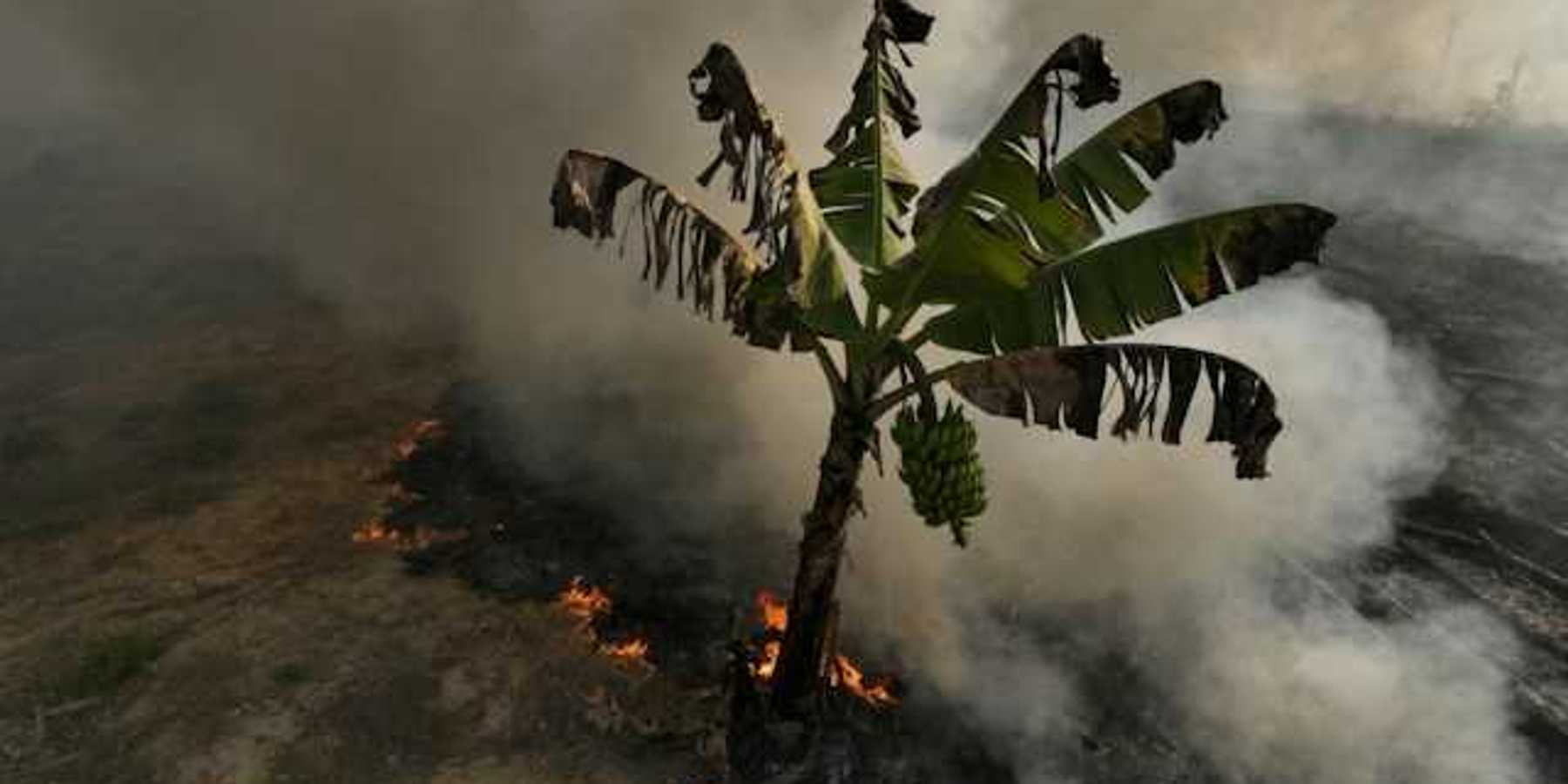
New evidence links heavy metal pollution with wildfire retardants

“The chemical black box” that blankets wildfire-impacted areas is increasingly under scrutiny.

Stay informed: sign up for The Daily Climate newsletter
Top news on climate impacts, solutions, politics, drivers. Delivered to your inbox week days.