Hurricane aftermath leaves North Carolina wells contaminated

Weeks after Hurricane Helene’s record rainfall flooded western North Carolina, many private wells remain contaminated, threatening safe drinking water for tens of thousands of residents.

Mira Rojanasakul and Hiroko Tabuchi report for The New York Times.


In short:

  • Over 40% of the approximately 600 wells tested in western North Carolina show contamination from E. coli or coliform bacteria, risking severe illness among users.
  • Private wells, unregulated and not routinely tracked, are vulnerable to flooding, especially in areas without municipal water, leaving many residents without clear solutions.
  • Aid agencies like the EPA and nonprofits have launched free well testing and distributed thousands of testing kits, but challenges remain due to uncertain well locations.

Key quote:

“In a flood, there’s a cocktail of everything.”

— Hartwell Carson, French Broad Riverkeeper, Waterkeeper Alliance

Why this matters:

Flood-induced contamination of unregulated private wells poses a public health risk, especially as extreme weather events become more common. Without proper tracking and support, communities reliant on these wells face ongoing threats to their drinking water, underscoring the need for improved water safety standards and disaster preparedness.

Read more: Hurricane Helene’s flooding raises concerns over private well water safety

A raised model of the countries in Europe and North Africa

Von der Leyen unveils heatwave plan as Europe confronts deadly extreme heat

European Commission President Ursula von der Leyen pledged new measures to prepare Europe for worsening heatwaves and wildfires after a summer she said contributed to 35,000 excess deaths.

A view of a dry pasture with a twine fence in the foreground

Drought expands across central New Hampshire again this fall

It’s been more than a year since all of New Hampshire was completely drought-free, and despite some spring and summer rain, drought has returned to a central swath of the state as fall approaches.

Solar panels arranged on a farm

Opinion: To counter farmland loss, solar needs soil science

Utility-scale solar is one of the fastest-growing sources of farmland conversion in the U.S. It doesn’t have to eliminate productive land.

An owl peering out from its nest in a tree cavity

The humble tree hole turns out to be a remarkable climate refuge

A new analysis shows that cavities inside trees can run several degrees cooler than the surrounding air during heatwaves — a finding that reframes the role of forests in a warming world.

A worker in an orange hard hat inspecting solar polars

As Russia attacks Ukraine’s grid, solar offers a path to resilience

With help from government incentives, Ukrainian businesses and households are increasingly investing in solar.
A rear view of a farmer walking outdoors toward a mini tractor in an orchard

The high cost of climate change on worker productivity

As the climate warms, people are more exposed to heat stress, which depresses their productivity and the global economy. A study from the University of California, Davis, quantifies the cost of heat stress on global labor.

Mansions and luxury homes flooded next to a body of water

EU to launch climate insurance scheme after summer of extreme weather

The European Union will create a "climate insurance alliance" to increase cover for extreme weather events, European Commission President Ursula von der Leyen said on Wednesday, as they emerge from a summer of drought, wildfires, and heatwaves.

From our Newsroom
Multiple Houston-area oil and gas facilities that have violated pollution laws are seeking permit renewals

Multiple Houston-area oil and gas facilities that have violated pollution laws are seeking permit renewals

One facility has emitted cancer-causing chemicals into waterways at levels up to 520% higher than legal limits.

Regulators are underestimating health impacts from air pollution: Study

Regulators are underestimating health impacts from air pollution: Study

"The reality is, we are not exposed to one chemical at a time.”

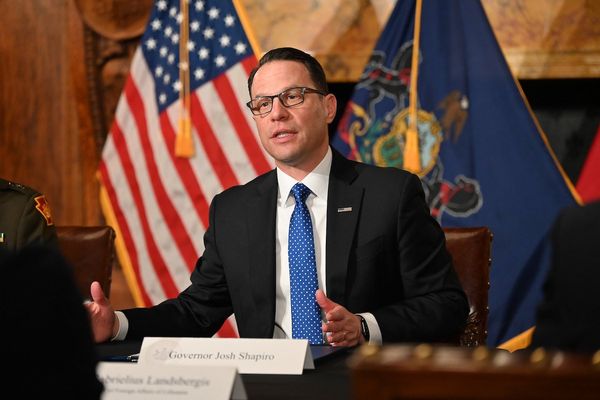
Pennsylvania governor Josh Shapiro speaks with the state flag and American flag behind him.

Two years into his term, has Gov. Shapiro kept his promises to regulate Pennsylvania’s fracking industry?

A new report assesses the administration’s progress and makes new recommendations

silhouette of people holding hands by a lake at sunset

An open letter from EPA staff to the American public

“We cannot stand by and allow this to happen. We need to hold this administration accountable.”

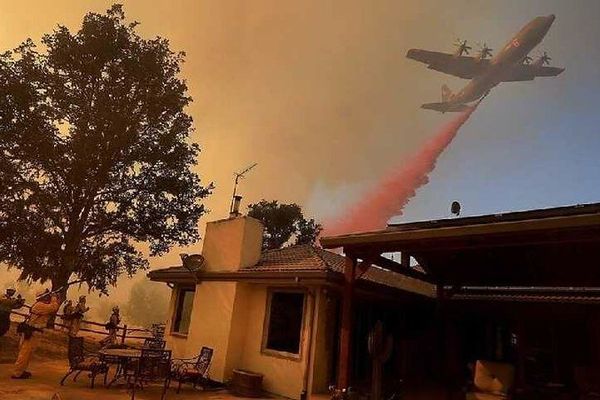
wildfire retardants being sprayed by plane

New evidence links heavy metal pollution with wildfire retardants

“The chemical black box” that blankets wildfire-impacted areas is increasingly under scrutiny.

Stay informed: sign up for The Daily Climate newsletter
Top news on climate impacts, solutions, politics, drivers. Delivered to your inbox week days.