Federal disaster aid leaves small North Carolina farms in limbo

North Carolina's small farms face mounting losses after Hurricane Helene as federal disaster relief programs struggle to meet their needs.

Meg Wilcox reports for Civil Eats.


In short:

  • Hurricane Helene caused severe damage to small farms in western North Carolina, with many losing crops, infrastructure and topsoil, resulting in costs exceeding $300,000 for some.
  • Federal aid programs like USDA's disaster relief and crop insurance often exclude small, diversified farms due to eligibility criteria and complex application processes.
  • Local organizations have stepped in with small grants and fundraising, but long-term solutions remain uncertain amid calls for systemic reform in disaster relief policies.

Key quote:

"The most cumbersome aspect with diversified vegetable farming is, it’s hard to fit into the USDA boxes."

— Nicole DelCogliano, Green Toe Ground co-owner

Why this matters:

Small farms play a critical role in local food systems but remain vulnerable to climate-driven disasters. Weak federal support structures threaten their ability to recover, emphasizing the need for more inclusive, streamlined policies to sustain farming communities amid increasing extreme weather events.

Related:

Photo depicting executives meeting around a table

Corporations win “free speech” right to hide pollution

A federal appeals court says forcing corporations to disclose their biggest sources of climate pollution is likely unconstitutional.
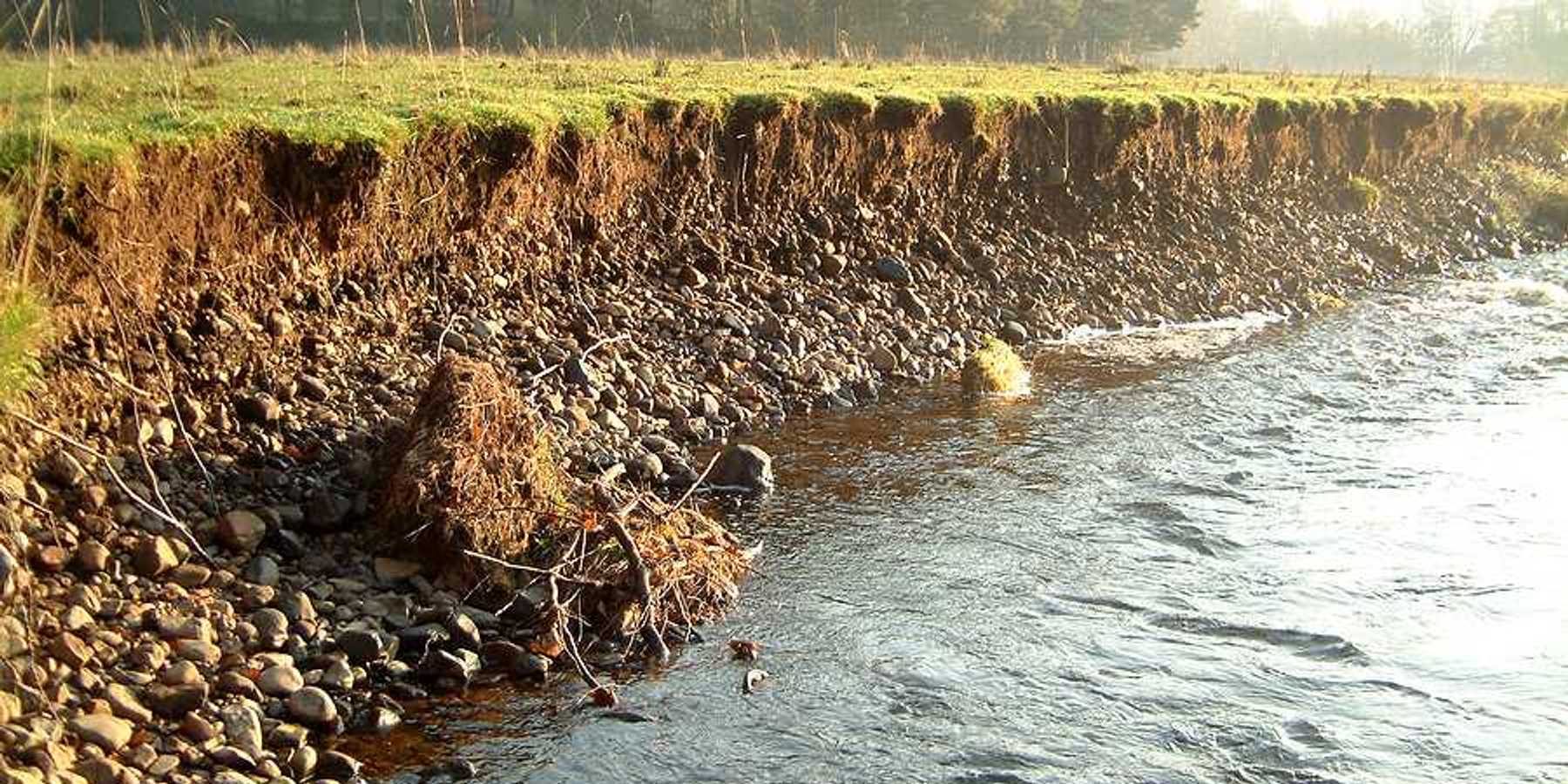
A view of a riverbank that has been eroded by high water

Losing ground: Vermont’s struggle against river erosion

River erosion causes the vast majority of the state’s flood damage; the problem is getting worse, while many Vermonters remain in harm’s way.

An illustration of a computer's mother board with zeros and ones floating above it

What if digitalization isn’t the climate fix we imagined?

Going digital is often assumed to be a modern, efficient strategy that will save energy and resources. Thirty years of data from the world’s largest economies suggest the energy needed to power them has so far outweighed the savings.

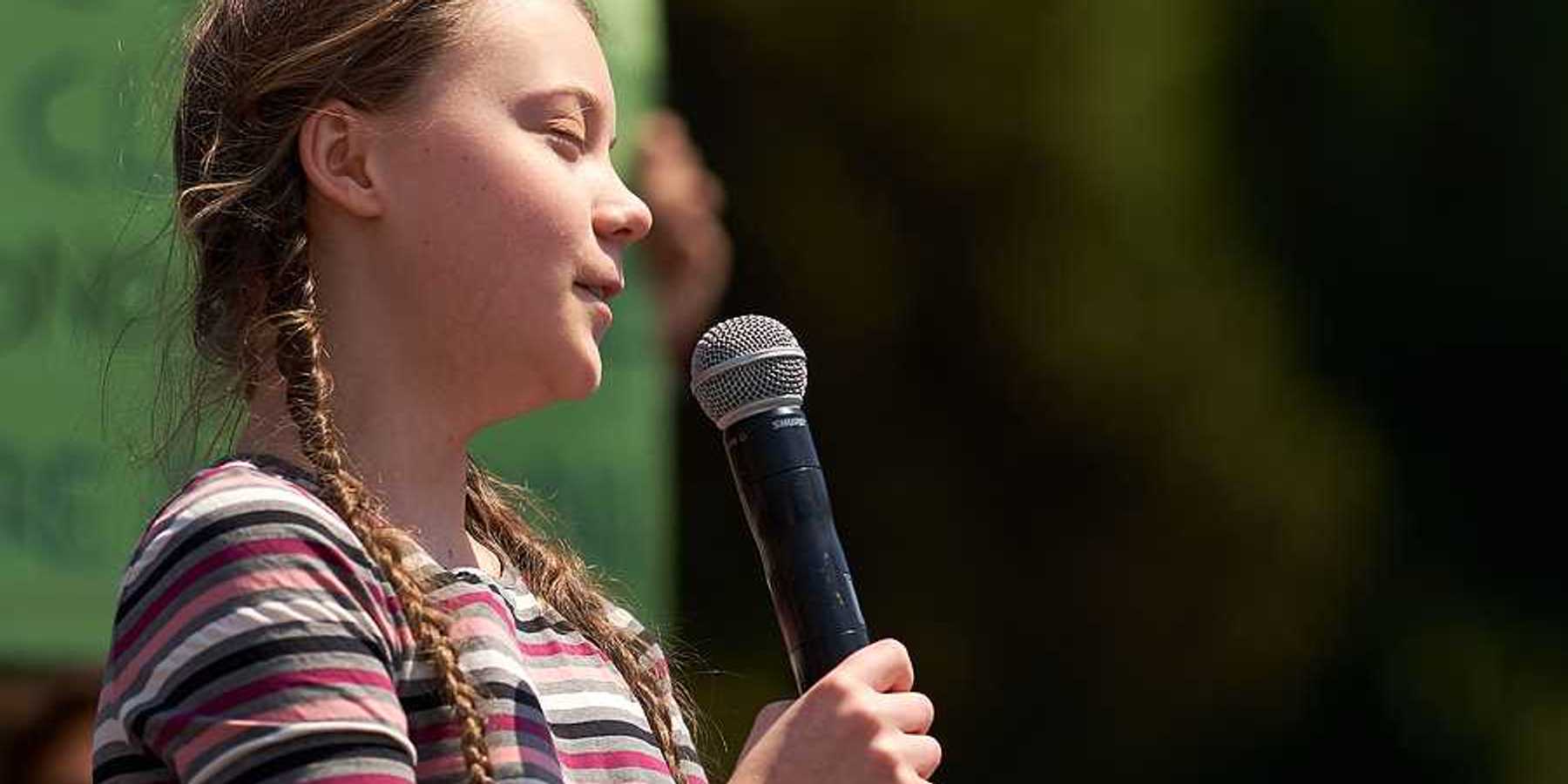
A view of Greta Thunberg speaking into a microphone

Greta Thunberg arrives at COP31, calls for structural changes to tackle climate crisis

Greta Thunberg has arrived at the U.N. climate meeting in Turkey, emphasizing the need to prioritize people and the planet over profits.
A closeup of a man in a striped shirt holding a blue fishing net on a beach

Revisiting El Bosque, the “success story” of climate displacement

Lessons learned from a rushed resettlement in Mexico underscore what governments owe to climate-displaced communities—not only after homes wash away, but also long before.

Two Black women sitting at a table listening to a presentation

ExxonMobil carbon storage project faces opposition in Texas

Texas now issues permits for companies to store carbon dioxide underground; East Texas residents fear safety risks, and skeptics doubt the climate benefits.

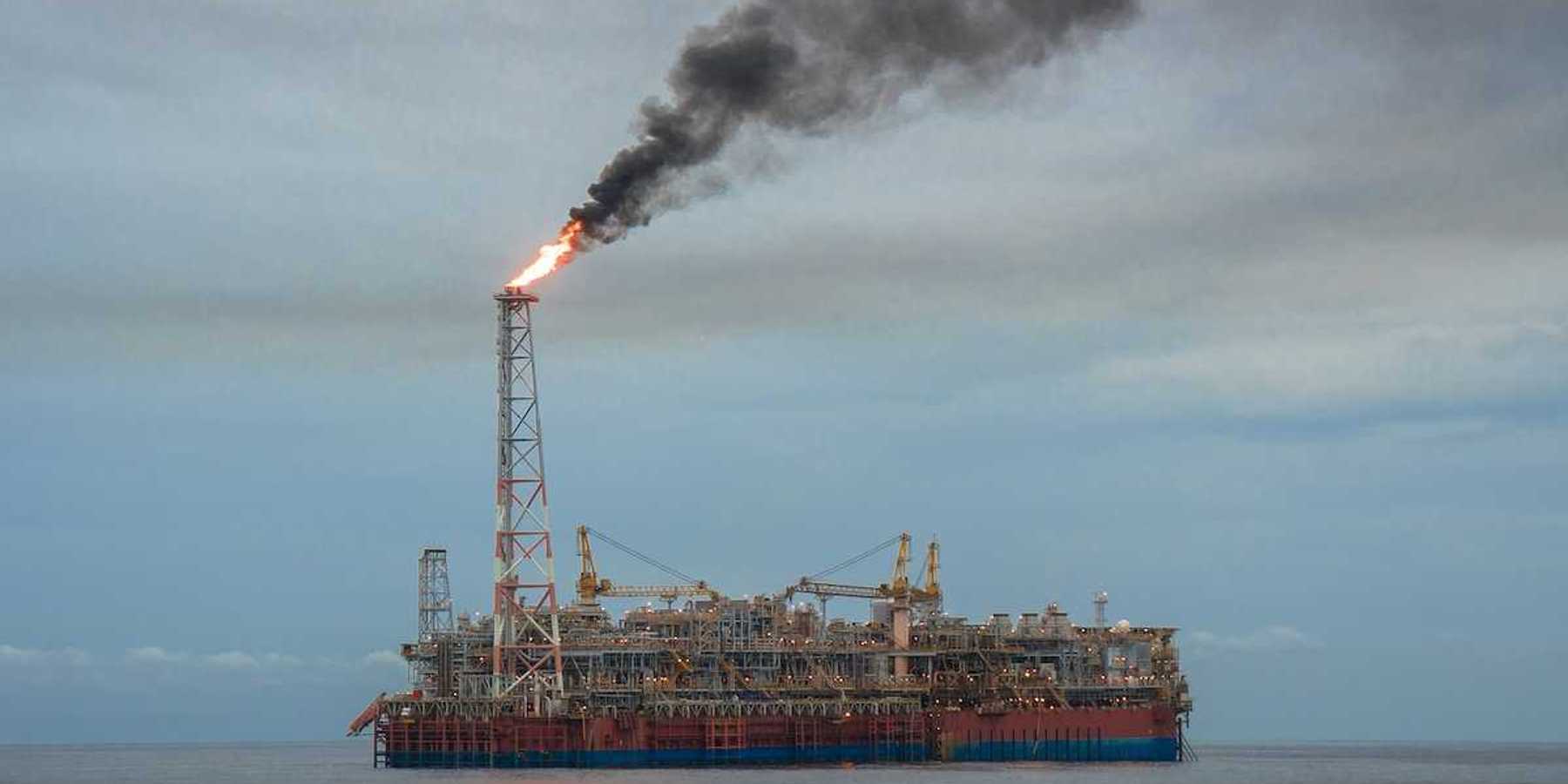
FPSO tanker vessel and Oil Rig platform. Offshore oil and gas industry. Flare is burning with smoke
Credit: Heatray/BigStock Photo ID: 240240058

Why the world is still running on fossil fuels after 30 years of climate talks

Missed opportunities, industry influence, and political maneuvering are behind the lack of progress in slowing global warming.

From our Newsroom
Multiple Houston-area oil and gas facilities that have violated pollution laws are seeking permit renewals

Multiple Houston-area oil and gas facilities that have violated pollution laws are seeking permit renewals

One facility has emitted cancer-causing chemicals into waterways at levels up to 520% higher than legal limits.

Regulators are underestimating health impacts from air pollution: Study

Regulators are underestimating health impacts from air pollution: Study

"The reality is, we are not exposed to one chemical at a time.”

Pennsylvania governor Josh Shapiro speaks with the state flag and American flag behind him.

Two years into his term, has Gov. Shapiro kept his promises to regulate Pennsylvania’s fracking industry?

A new report assesses the administration’s progress and makes new recommendations

silhouette of people holding hands by a lake at sunset

An open letter from EPA staff to the American public

“We cannot stand by and allow this to happen. We need to hold this administration accountable.”

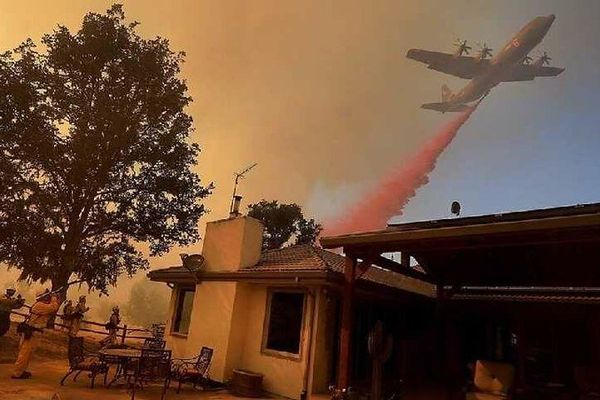
wildfire retardants being sprayed by plane

New evidence links heavy metal pollution with wildfire retardants

“The chemical black box” that blankets wildfire-impacted areas is increasingly under scrutiny.

Stay informed: sign up for The Daily Climate newsletter
Top news on climate impacts, solutions, politics, drivers. Delivered to your inbox week days.