Disasters expose hidden chemical threats while laws keep communities in the dark

Hurricanes like Helene reveal toxic secrets as outdated laws and industry lobbying leave communities vulnerable to chemical dangers.

Helen Santoro reports for The Lever.


In short:

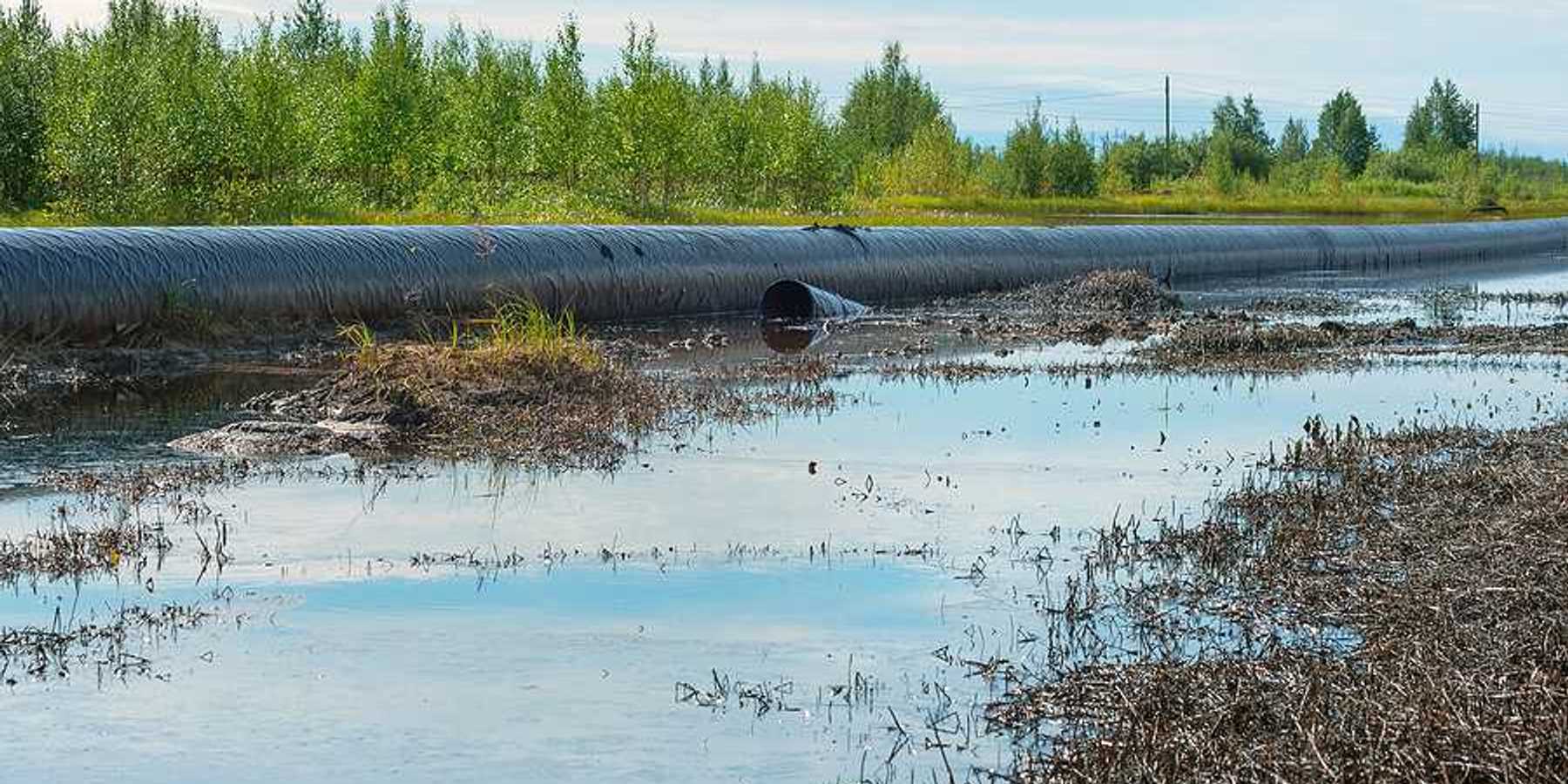
  • Hurricane Helene devastated Asheville, North Carolina, leaving residents exposed to potentially toxic sludge with limited knowledge of its source due to federal disclosure loopholes.
  • Laws like the 1986 Emergency Planning and Community Right-to-Know Act are outdated, and high reporting thresholds prevent residents from accessing full information on hazardous materials in nearby industrial facilities.
  • Lobbying by chemical industry groups has stymied EPA efforts to increase transparency, with corporations actively pushing back on proposed reforms aimed at protecting public health.

Key quote:

“If we were serious about protecting communities from toxic chemicals, we would really update these statutes. We would make them actually reflect what we know about the hazards that these chemicals pose.”

— Eve Gartner, toxics expert, Earthjustice

Why this matters:

Industry-backed lobbying has stymied the EPA’s attempts at reform, leaving Asheville residents—and communities nationwide—on uncertain ground. For families and healthcare providers on the frontlines of post-storm health fallout, the hidden threat of toxics in their backyard adds a troubling twist to an already challenging recovery. Read more: Hurricane season spurs hog waste worries in North Carolina.


a group of birds flying under a large cracked iceberg

Outdoor guides confront the risks of a rapidly melting world

As glaciers melt in Western Canada at an alarming rate, outdoor guides are not only witnessing climate change, but managing the hazards.

A technician working on a heat pump installed on the side of a home

Solar panels and heat pumps are set to cost more in 2026 as tax credits expire

The end of key US tax credits for home solar, batteries and heat pumps — combined with new tariffs and domestic manufacturing rules — is expected to raise the cost of electrifying homes in 2026.

A silhouette of a power plant with billowing smoke and the sun in the background

Minnesota doesn't have an easy path to 100% carbon-free electricity

The state will need firm resources like nuclear, geothermal, hydropower or long-duration batteries — each with advantages and downsides.

A view of solar panels and wind turbines with mountains in the background

A year of clean energy milestones

Even as the Trump administration rolled back support for renewable energy in the U.S., wind, solar, and electric vehicles made huge strides globally in 2025.

An illustration showing people migrating with an image of a globe in the background

The biggest climate migration problem may be that there's not enough of it

In his new book, Julian Hattem explores how migration can be a climate solution, not just for those who move, but their home communities as well.

Yellow and white wind turbine towers waiting to be installed
Credit: Engineered Solutions/Unsplash

Offshore wind projects challenge Trump administration’s order to stop work

The developers of Revolution Wind off Rhode Island and Empire Wind off New York are the latest to sue the Trump administration.
data center construction
Credit: MaxSafaniuk/BigStock Photo ID: 438562529

‘Just an unbelievable amount of pollution’: how big a threat is AI to the climate?

Defenders say AI can do good to fight the climate crisis. But spiraling energy and water costs leave experts worried.

From our Newsroom
Multiple Houston-area oil and gas facilities that have violated pollution laws are seeking permit renewals

Multiple Houston-area oil and gas facilities that have violated pollution laws are seeking permit renewals

One facility has emitted cancer-causing chemicals into waterways at levels up to 520% higher than legal limits.

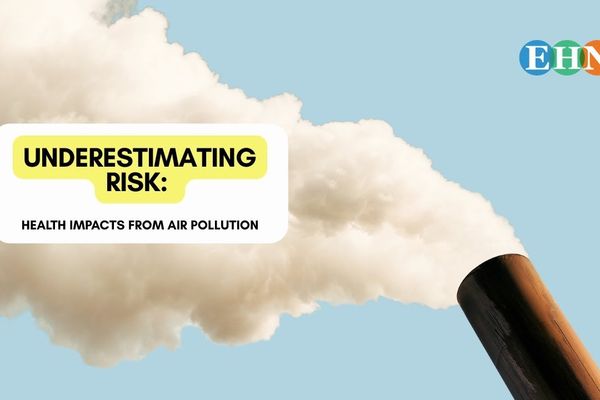
Regulators are underestimating health impacts from air pollution: Study

Regulators are underestimating health impacts from air pollution: Study

"The reality is, we are not exposed to one chemical at a time.”

Pennsylvania governor Josh Shapiro speaks with the state flag and American flag behind him.

Two years into his term, has Gov. Shapiro kept his promises to regulate Pennsylvania’s fracking industry?

A new report assesses the administration’s progress and makes new recommendations

silhouette of people holding hands by a lake at sunset

An open letter from EPA staff to the American public

“We cannot stand by and allow this to happen. We need to hold this administration accountable.”

wildfire retardants being sprayed by plane

New evidence links heavy metal pollution with wildfire retardants

“The chemical black box” that blankets wildfire-impacted areas is increasingly under scrutiny.

Stay informed: sign up for The Daily Climate newsletter
Top news on climate impacts, solutions, politics, drivers. Delivered to your inbox week days.