Insurance costs squeeze commercial real estate as climate risks rise

Landlords and developers face mounting insurance premiums due to climate-related disasters, putting extra strain on an already struggling commercial real estate market.

Emily Flitter reports for The New York Times.


In short:

  • Insurance premiums for commercial properties have surged, with rates up 50% in storm-prone areas, doubling in some places this year.
  • Landlords, already dealing with higher interest rates and operating expenses, find lenders unwilling to ease strict insurance requirements.
  • Delinquencies on commercial real estate loans have risen, but experts see the insurance issue as a significant challenge rather than a looming crisis.

Key quote:

"Insurance pricing has caused deals to come to a halt and has forced deals into foreclosure in some cases."

— Danielle Lombardo, the chair of the real estate, hospitality and leisure division at Willis Towers Watson

Why this matters:

Rising insurance costs reflect broader financial risks driven by climate change, potentially destabilizing real estate markets. Without relief, higher expenses could force more properties into foreclosure, affecting communities and the economy.

Read more: Insurance woes increase as climate change impacts profitability
plastic trash bobbing in a river
Credit: Ajin K S/ Unsplash

Floods are sending far more plastic to the ocean than we thought

A new study shows that most plastic pollution from rivers is transported to the ocean during short, intense flood events.
Apocolyptic illustration depicting flood aftermath: damaged infrastructure, destroyed vehicles, angry, overcast sky

Planning for disaster? Consider Haida wisdom

A BC climate risk report highlights the connectedness of all things and sounds an alarm.
Factory smokestacks emitting smoke against sunset sky.

European chemical giants plot to weaken EU’s flagship climate policy

The ultra-polluting sector says the EU’s carbon price is putting it out of business.
Industrial complex with polluting smoke rising from stacks.

As the Trump EPA prepares to revoke key legal finding on climate change, what happens next?

By revoking its 17-year-old scientific finding that greenhouse gases endanger public health and welfare, the U.S. Environmental Protection Agency will demolish the legal underpinning of its authority to act on climate change under the Clean Air Act.

person at sink filling a glass with water.

Their water was undrinkable. Oklahoma's oil regulators failed to help

State regulators discovered strong signs of oil pollution, including high levels of salt and toxic metals, in one family’s drinking water. But for two years, they repeatedly delayed basic tests to find the culprit — then closed the case.
A factory or coal power plant with a smoke stack in the distance.

Citing national security, Trump has abandoned fenceline monitoring at coke ovens

The administration ended a program that documented excessive levels of a carcinogen at industrial facilities across the country. Environmental groups who say the move leaves polluted communities behind have filed suit.
Battle ships heading into the sunset

Water, power, and the future of conflict

Explore the rise of water as a geopolitical weapon influencing global security, economics, and environmental stability in 2026.
From our Newsroom
Multiple Houston-area oil and gas facilities that have violated pollution laws are seeking permit renewals

Multiple Houston-area oil and gas facilities that have violated pollution laws are seeking permit renewals

One facility has emitted cancer-causing chemicals into waterways at levels up to 520% higher than legal limits.

Regulators are underestimating health impacts from air pollution: Study

Regulators are underestimating health impacts from air pollution: Study

"The reality is, we are not exposed to one chemical at a time.”

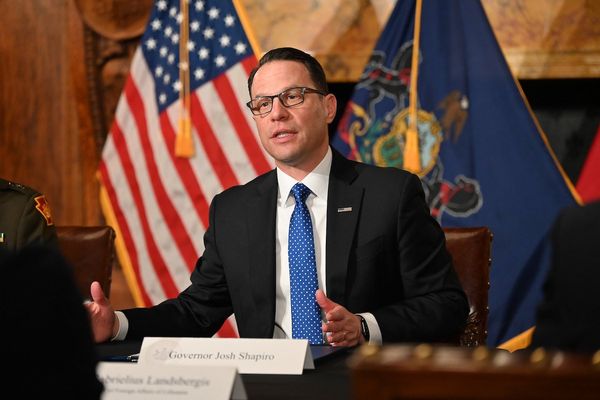
Pennsylvania governor Josh Shapiro speaks with the state flag and American flag behind him.

Two years into his term, has Gov. Shapiro kept his promises to regulate Pennsylvania’s fracking industry?

A new report assesses the administration’s progress and makes new recommendations

silhouette of people holding hands by a lake at sunset

An open letter from EPA staff to the American public

“We cannot stand by and allow this to happen. We need to hold this administration accountable.”

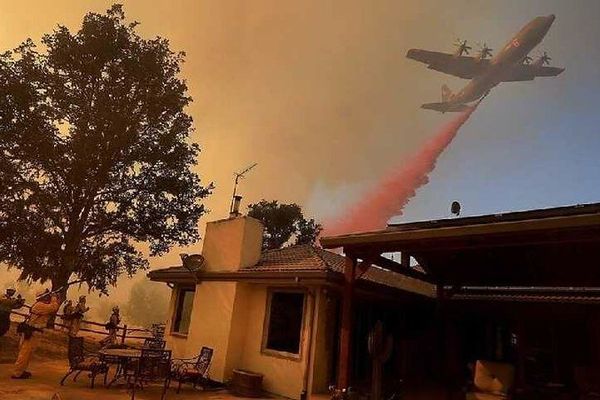
wildfire retardants being sprayed by plane

New evidence links heavy metal pollution with wildfire retardants

“The chemical black box” that blankets wildfire-impacted areas is increasingly under scrutiny.

Stay informed: sign up for The Daily Climate newsletter
Top news on climate impacts, solutions, politics, drivers. Delivered to your inbox week days.