Interior Department expands scope of potential federal layoffs to over 1,400 job groups

The U.S. Department of the Interior has added hundreds of new job categories across multiple agencies to its list of positions eligible for layoffs, setting a new 90-day clock for possible staff cuts.

Jennifer Yachnin reports for E&E News.


In short:

  • The new list covers more than 1,400 “competitive areas,” including expanded targets in the Bureau of Reclamation, Fish and Wildlife Service, and Office of the Secretary.
  • Employees face possible reductions in force based on tenure and performance; federal rules require at least 60 days’ notice before dismissals can occur.
  • The expansion follows a U.S. Supreme Court decision lifting an injunction that had blocked earlier reorganization efforts.

Key quote:

“The Bureau of Reclamation remains focused on providing essential water and hydropower to the American public across the 17 Western states.”

— Peter Soeth, Bureau of Reclamation spokesperson

Why this matters:

Layoffs at the Interior Department could significantly impact federal management of water, energy, and wildlife across much of the West. Agencies like the Bureau of Reclamation and Fish and Wildlife Service oversee reservoirs, river flows, and endangered species protection — responsibilities tied to both public safety and ecological health. Cutting staff could slow permitting, habitat restoration, and drought response at a time when climate pressures are rising. Reduced capacity may also weaken oversight of industries such as oil, gas, and mining that operate on public lands. These changes echo broader shifts in federal workforce priorities under the Trump administration, which has emphasized agency downsizing and consolidation over environmental regulation.

Learn more: Former Interior official warns of public land rollbacks and launches advocacy group

Helicopter shot of a large refinery outside of Houston

Farm country critics balk at carbon capture projects, citing health risks of "grand experiment"

Carbon capture and sequestration, as the process is called, has been widely touted as a solution to the climate crisis, reducing CO2 emissions from power plants and industrial facilities that contribute to increasingly erratic and dangerous weather patterns.

Coal fired power plant with piles of coal beneath red & white stacks emitting smoke

Louisiana GOP candidate stakes US Senate hopes to carbon storage opposition

Carbon capture and storage projects have created a unique divide among the GOP in Louisiana.
Three firefighters in turnout gear — woman in the center, flanked by two men carrying shovels in smoky air

These blue states aren’t getting fire prevention money from Trump

FEMA slowed grants intended to help states such as California and Colorado prepare for and prevent wildfires, a Washington Post analysis shows.
Rows of US dollars on a red background

Trump’s Iran war may stymie climate gains with boost to big oil, experts say

Windfall profits could lock in Trump-era political wins for the fossil fuel industry and slow clean-energy transition.

partial view of planet Earth showing Gulf of Mexico, and much of Atlantic sea coast and North Atlantic

Why fears are growing over the fate of a key Atlantic current

Scientists are increasingly worried that a vast system of ocean circulation, which delivers warmth to northern Europe and impacts climate globally, is at risk of collapse. Mounting evidence suggests it may be nearing a tipping point, though the research is far from certain.
A dam allowing water to flow

Close calls at Michigan's dams are a climate warning to America

Record flooding pushed Michigan's dams to the brink of disaster and showed just how unprepared U.S. infrastructure is for a warming world.

Woman in blue denim dress seated on an outdoor bench preparing to wipe nose with tissue
Credit: A. C./Unsplash+

How climate change makes your allergies worse

As pollen season gets longer and more severe, allergies can compound with other climate health hazards to cause serious harm.
From our Newsroom
Multiple Houston-area oil and gas facilities that have violated pollution laws are seeking permit renewals

Multiple Houston-area oil and gas facilities that have violated pollution laws are seeking permit renewals

One facility has emitted cancer-causing chemicals into waterways at levels up to 520% higher than legal limits.

Regulators are underestimating health impacts from air pollution: Study

Regulators are underestimating health impacts from air pollution: Study

"The reality is, we are not exposed to one chemical at a time.”

Pennsylvania governor Josh Shapiro speaks with the state flag and American flag behind him.

Two years into his term, has Gov. Shapiro kept his promises to regulate Pennsylvania’s fracking industry?

A new report assesses the administration’s progress and makes new recommendations

silhouette of people holding hands by a lake at sunset

An open letter from EPA staff to the American public

“We cannot stand by and allow this to happen. We need to hold this administration accountable.”

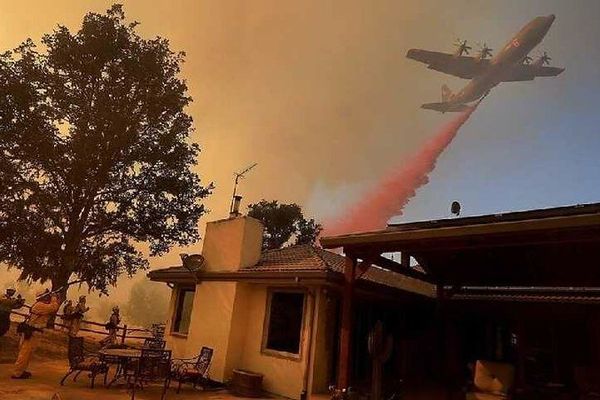
wildfire retardants being sprayed by plane

New evidence links heavy metal pollution with wildfire retardants

“The chemical black box” that blankets wildfire-impacted areas is increasingly under scrutiny.

Stay informed: sign up for The Daily Climate newsletter
Top news on climate impacts, solutions, politics, drivers. Delivered to your inbox week days.