Interior secretary tilts energy policy toward fossil fuels, sidelining renewables

A push for fossil fuel dominance is reshaping U.S. energy policy under Interior Secretary Doug Burgum, leaving wind, solar, and carbon capture outside fast-tracked development plans.

Ian M. Stevenson and Carlos Anchondo report for E&E News.


In short:

  • Interior Secretary Doug Burgum, once an advocate for carbon neutrality and renewables as North Dakota’s governor, is now backing policies that favor fossil fuel expansion under President Trump.
  • A new emergency permitting plan speeds up approval for oil, gas, and mineral projects while excluding wind, solar, and carbon capture — moves critics say reflect bias and will invite legal challenges.
  • Environmental groups argue that the administration is favoring wealthy fossil fuel corporations over rural communities, while industry groups praise efforts to accelerate permitting for traditional energy sources.

Key quote:

“The country is producing far more oil and gas than it can use while experiencing a clean energy boom. It is clear that the administration is pandering to fossil fuel corporations already flush with tremendous wealth while denying Americans [a voice] — especially farmers, ranchers, and other rural Americans throughout the West most affected by fossil energy projects.”

— Barbara Vasquez, board chair, Western Organization of Resource Councils

Why this matters:

The shift away from an “all-of-the-above” energy strategy signals a dramatic federal turn toward fossil fuels at a time when global climate impacts and energy transition efforts are accelerating. Excluding wind, solar, and carbon capture technologies from fast-track permitting processes could suppress investment in renewables, hinder emissions reduction goals, and stall innovation just as extreme weather events, droughts, and air quality issues intensify across the country. Interior’s influence over public lands also means that vast swaths of American territory may be opened to fossil fuel extraction without comprehensive environmental reviews to consider impacts on resources like water and biodiversity.

Related: Trump’s push to sway Europe on fossil fuels clashes with clean energy momentum
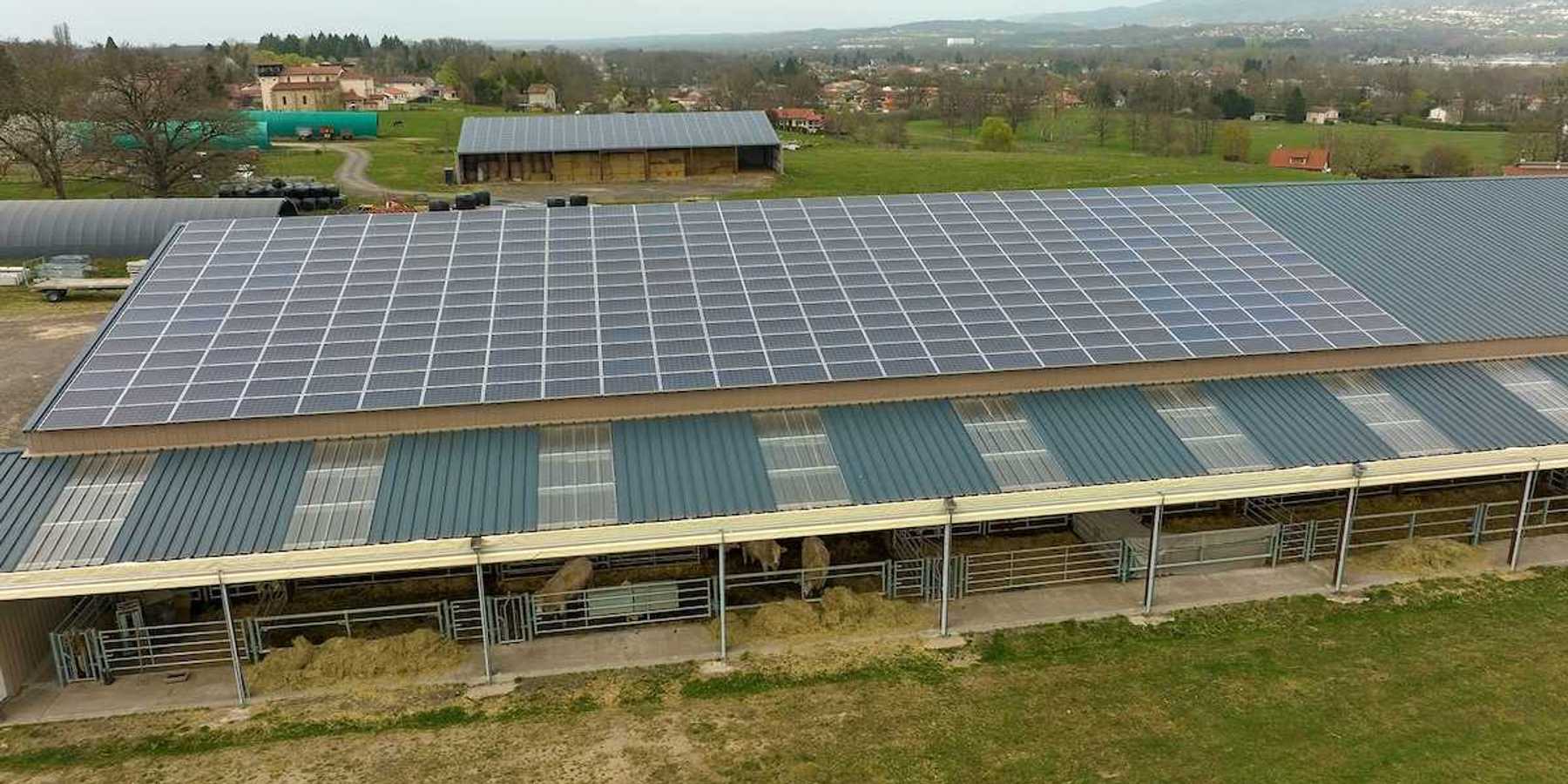
Aerial view of blue photovoltaic solar panels mounted on farm building roof for producing clean ecological electricity.
Credit: Bilanola/BigStock Photo ID: 463222261

Where’s the beef? Under the solar panels

A Tennessee developer thinks it’s cracked the code for mixing solar panels and cattle.

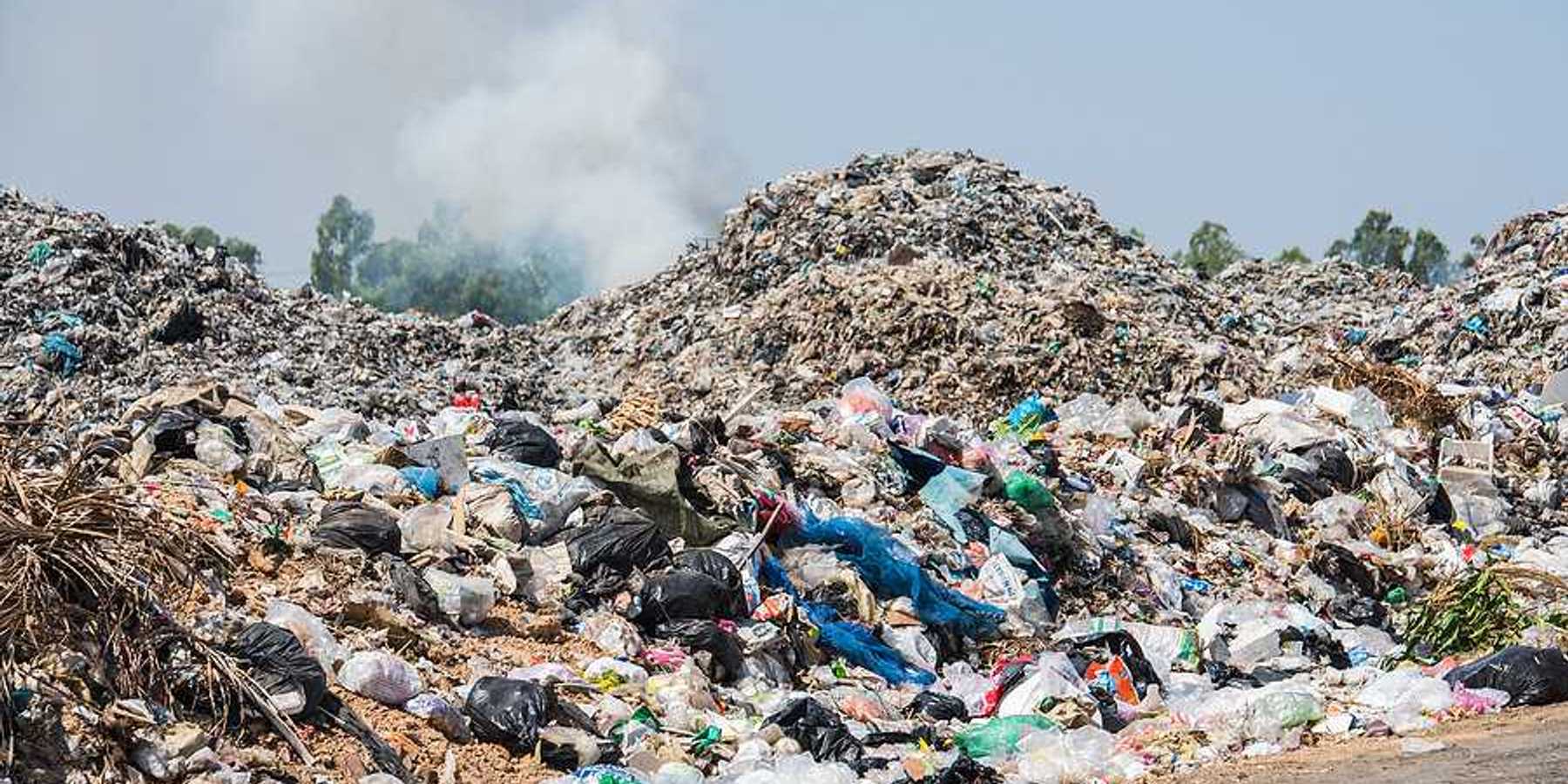
A mountainous landfill site with smoke in the background

Bill Gates has earned billions investing in methane-leaking landfills

Bill Gates owns a dominant stake in Republic Services, America’s second-largest landfill operator, but he’s failed to make the company live up to his own climate principles, ProPublica has found.
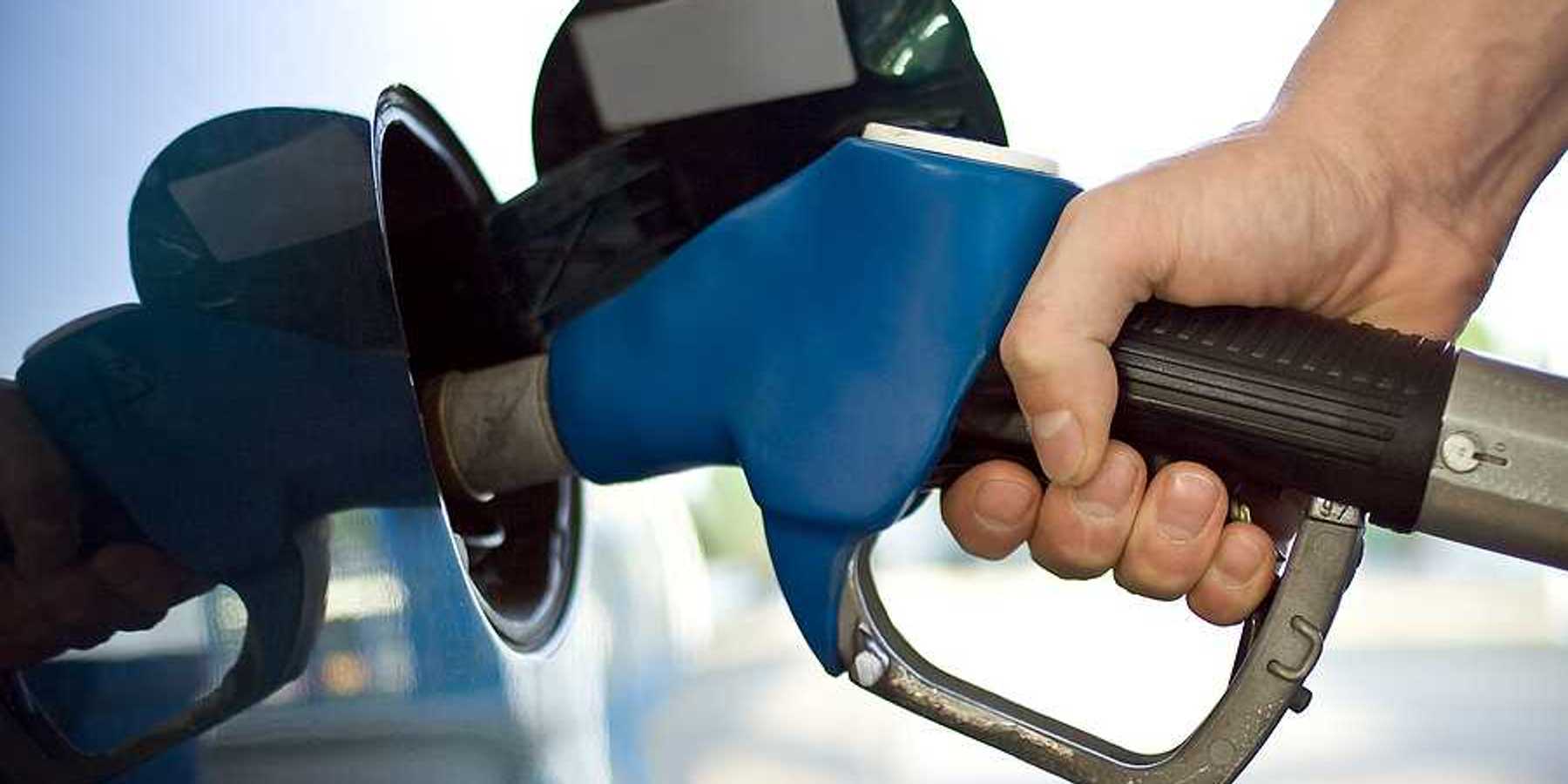
A closeup of a man's hand on a gas pump filling his car with fuel

Fossil fuel emissions are expected to fall in 2026. Why aren’t climate experts celebrating?

Experts warn that a drop in emissions partly driven by conflict and trade disruptions is not sustainable in the long term.
Night view of Thames River and London with smoke in the air

Air pollution soars as fog traps emissions in England’s urban areas

Particles from fireworks and bonfires likely to have contributed to levels well above WHO’s daily guideline.

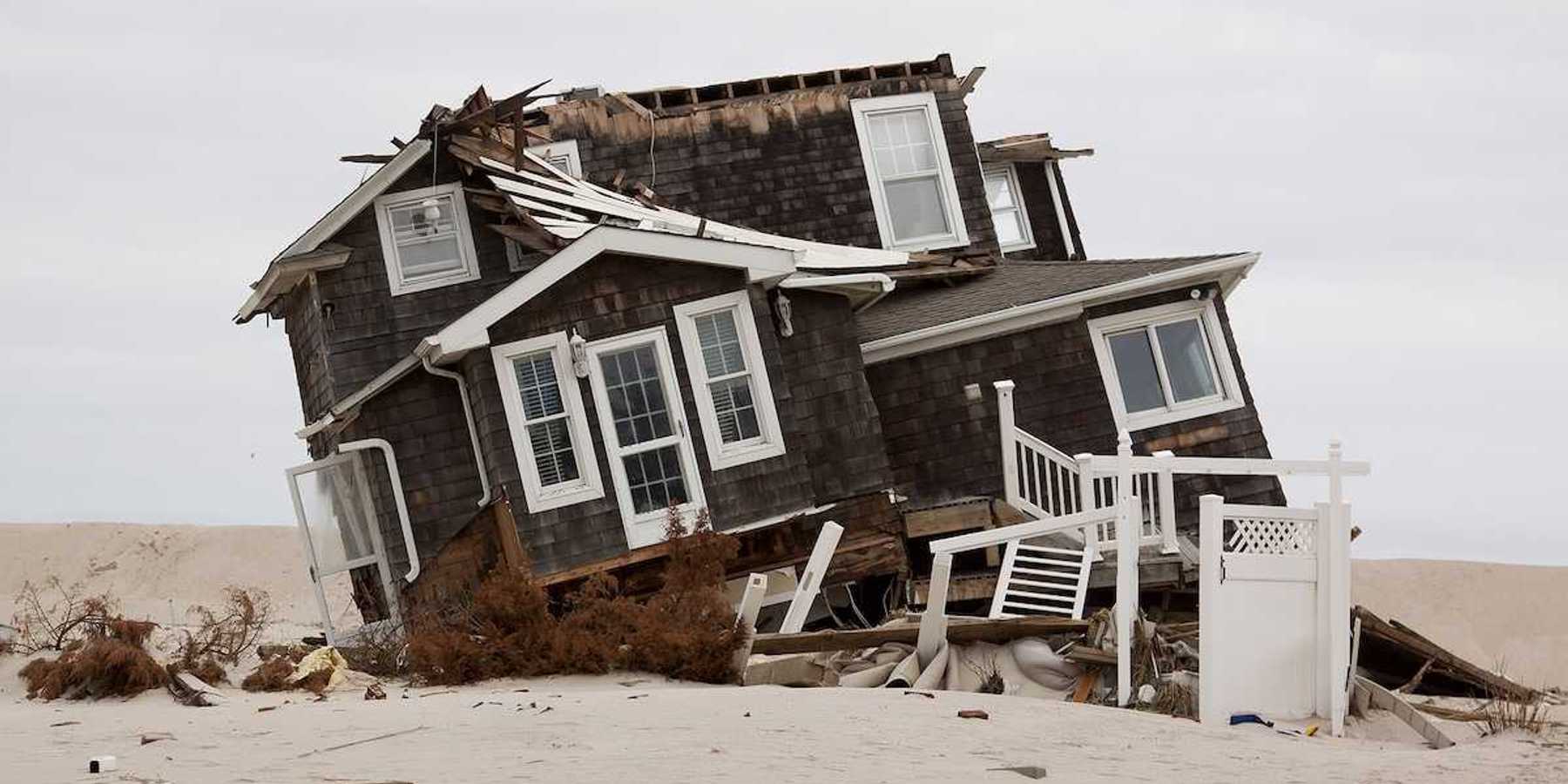
A tilted home off its foundation on the beach following Hurricane Sandy
Credit: Glynnis Jones/BigStock Photo ID:

'Barrier Islands 101': No easy answers for NC12, beach houses

Presentations about vital and vulnerable N.C. Highway 12, collapsing homes, the national park and life on the Outer Banks during the Coastal Resources Commission’s recent meeting in New Bern illustrate a sobering challenge.
Forest canopy with carbon dioxide icon

The rise and fall of the term ‘carbon neutral’ — and where we go from here

New EU rules have put strict conditions on offset-based green claims. Caroline Garland speaks to Dan Morrell, who helped put ‘carbon neutral’ into the dictionary – and he says good riddance – but warns brands not to fall silent
3D rendering depicting interconnection and electrification based on clean energy

Electrification explained: Clean energy to curb warming

From EVs and electric buses on the road, heat pumps warming homes and solar panels powering appliances, the shift to electrifying tech is already in full swing. But what exactly does "electrification" mean?
From our Newsroom
Multiple Houston-area oil and gas facilities that have violated pollution laws are seeking permit renewals

Multiple Houston-area oil and gas facilities that have violated pollution laws are seeking permit renewals

One facility has emitted cancer-causing chemicals into waterways at levels up to 520% higher than legal limits.

Regulators are underestimating health impacts from air pollution: Study

Regulators are underestimating health impacts from air pollution: Study

"The reality is, we are not exposed to one chemical at a time.”

Pennsylvania governor Josh Shapiro speaks with the state flag and American flag behind him.

Two years into his term, has Gov. Shapiro kept his promises to regulate Pennsylvania’s fracking industry?

A new report assesses the administration’s progress and makes new recommendations

silhouette of people holding hands by a lake at sunset

An open letter from EPA staff to the American public

“We cannot stand by and allow this to happen. We need to hold this administration accountable.”

wildfire retardants being sprayed by plane

New evidence links heavy metal pollution with wildfire retardants

“The chemical black box” that blankets wildfire-impacted areas is increasingly under scrutiny.

Stay informed: sign up for The Daily Climate newsletter
Top news on climate impacts, solutions, politics, drivers. Delivered to your inbox week days.