Japan innovates with climate bonds to fund green technology

Japan, leveraging its technological prowess, has become the first country to issue sovereign bonds specifically for funding climate change initiatives and green technology.

Julian Ryall reports for Deutsche-Welle.


In short:

  • Japan has initiated the sale of climate bonds, aiming to raise 20 trillion yen to support its green transition, referred to as GX.
  • The bonds are designed to attract private investment into projects like low-cost wind power, carbon recycling, and advanced batteries.
  • This move is part of Japan's broader goal to halve its greenhouse gas emissions by the end of the decade and achieve zero emissions by 2050.

Key quote:

"This bond shows clearly how governments, and others, can raise funds to invest in that transition. It marks a significant milestone in transition finance."

— Sean Kidney, head of the Climate Bonds Initiative.

Why this matters:

Japan's innovative approach to financing its green transition through climate bonds represents a significant step in global efforts to combat climate change. It sets an example for how countries can mobilize private capital for sustainable development and technological advancements in clean energy.

Be sure to read Douglas Fischer’s 2019 article: Financial markets push for sustainability, climate accountability.


Three small vials of blood two with red caps and one with a blue cap

How climate change is messing with your blood

Our blood chemistry is changing as carbon emissions rise, according to a new study.

Smart grid virtual battery energy storage network with house office factory buildings, solar panel plant, wind and li-ion electricity backup. Electric car charging on renewable power supply system.
Credit: petovarga/BigStock Photo ID: 441378998

Notes from Illinois’ virtual power plant frontier

Solrite is the latest energy services company to venture into Illinois, a sign of how quickly a new state law has jump-started the market.

Lobster men keeping Maine's sorting live lobsters to be sold at the docks at the end of their work day in Vinalhaven Island Maine.
Credit: WoodysPhotos/BigStock Photo ID: 213106882

Lobsters and acidic seas: Can shellfish help neutralize one of the greatest threats to the ocean?

Crustaceans are the subject of tests to see if alkalis added to seawater, so it absorbs more carbon dioxide, harm marine life. But Trump’s halt to funding threatens to scupper the research.

Children sitting in a classroom with books on their desks

How Florida quietly removed climate change content from textbooks

Publishers acceded to Florida's requests, watering down information on climate change’s impact; now the state has turned to updating its science standards.

Aerial view of lower end of Lake Powell and Glen Canyon Dam

As litigation looms and drought takes its toll, state officials are defiant over Colorado River's future

Years of negotiations between Colorado and six other Colorado River Basin states have failed to produce a new agreement on water allocations.
Environmental Protection Agency sign at the EPA Building in Washington, DC
Credit: Paul Brady/BigStock Photo ID: 233412370

A Supreme Court case may be slowing Trump’s next climate rollback

“EPA is trying to have their cake and eat it, too,” said one environmental lawyer.
A roof with broken solar panels on it

Trashed solar panels will be a treasure worth up to $1T

A large new study charted 1,708 recycling scenarios across 32 regions and found a way to turn a looming waste crisis into a circular-economy windfall.

From our Newsroom
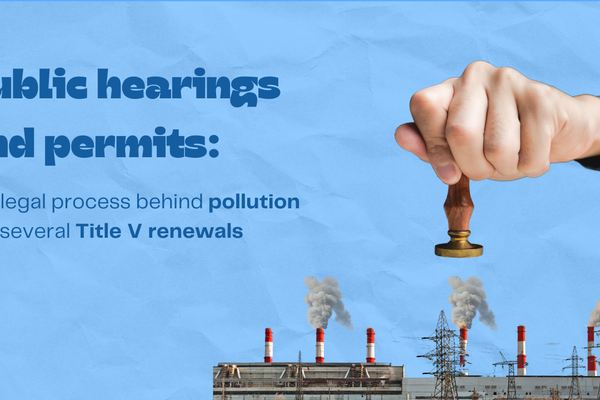
Multiple Houston-area oil and gas facilities that have violated pollution laws are seeking permit renewals

Multiple Houston-area oil and gas facilities that have violated pollution laws are seeking permit renewals

One facility has emitted cancer-causing chemicals into waterways at levels up to 520% higher than legal limits.

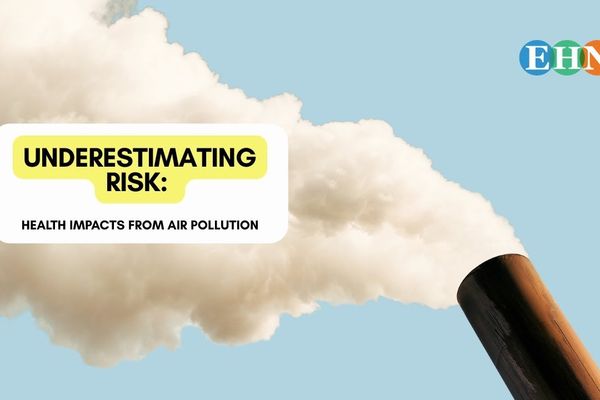
Regulators are underestimating health impacts from air pollution: Study

Regulators are underestimating health impacts from air pollution: Study

"The reality is, we are not exposed to one chemical at a time.”

Pennsylvania governor Josh Shapiro speaks with the state flag and American flag behind him.

Two years into his term, has Gov. Shapiro kept his promises to regulate Pennsylvania’s fracking industry?

A new report assesses the administration’s progress and makes new recommendations

silhouette of people holding hands by a lake at sunset

An open letter from EPA staff to the American public

“We cannot stand by and allow this to happen. We need to hold this administration accountable.”

wildfire retardants being sprayed by plane

New evidence links heavy metal pollution with wildfire retardants

“The chemical black box” that blankets wildfire-impacted areas is increasingly under scrutiny.

Stay informed: sign up for The Daily Climate newsletter
Top news on climate impacts, solutions, politics, drivers. Delivered to your inbox week days.