Lab-grown pet food gains approval in the UK

Britain has authorized the sale of lab-grown meat for pet food, marking a pioneering step in Europe.

Amelia Nierenberg reports for The New York Times.


In short:

  • Meatly, a British biotech company, received approval to sell lab-grown chicken cell meat for pets.
  • The UK’s move follows Brexit, enabling more flexible regulations compared to the EU.
  • Advocates highlight environmental and ethical benefits, such as reduced animal slaughter and pollution.

Key quote:

“We don’t need to raise or kill any animals…Instead of 50 billion chickens a year, it’s one egg, one time, and we’ve created an infinite amount of meat.”

— Owen Ensor, chief executive of Meatly

Why this matters:

Lab-grown pet food can significantly reduce the environmental impact of pet ownership by cutting down on traditional livestock farming. This innovation also addresses ethical concerns associated with meat production, potentially transforming the pet food industry.
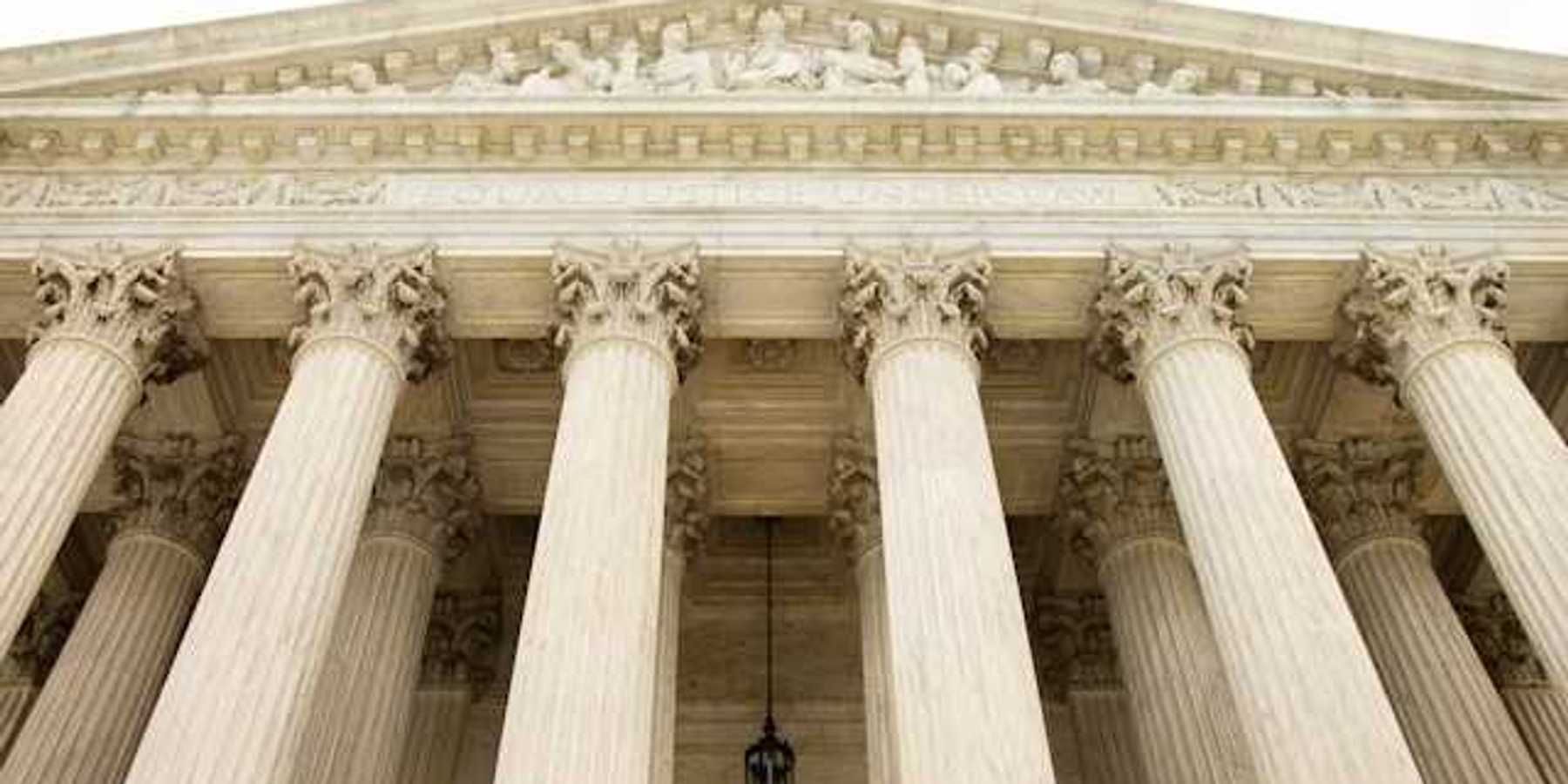

White government building with large decorative pillars

What to know about the Supreme Court’s major climate case this fall

The decision could set a significant precedent for states and cities trying to hold fossil fuel companies accountable for climate impacts.
Wildland fire fighter, silhouetted  against flame-orange backdrop, training hose on wildfire.

Federal job cuts are making wildfires harder to fight

The Trump administration pushed out thousands of veteran U.S. Forest Service staff. An ‘extraordinary’ fire season is testing those who are left.
A Black woman putting her voting record into a box at a polling station

In Arizona, the thermostat is driving voters to the polls

Record heat, two rate hikes and a data center boom have turned utility bills — not climate — into the state’s most volatile issue.
A group of runners with numbered tags running on a city street

Hot weather forces marathons to consider changes to help runners

Marathon organizers are adjusting to warmer race conditions caused by climate change. Many races are shifting dates, starting earlier, or offering shorter runs.

A view of a street with lots of flowering vines growing on the houses

Urban heat islands have solutions; many tropical cities can’t afford them

Urban heat islands pose a growing global health threat, but in tropical cities, the peril is surging.

A view from below of a brick apartment building

Heat waves cost some Toronto residents more

Climate change is bringing more frequent heat waves to cities, but not all residents have equal access to space to cool down.

From our Newsroom
Multiple Houston-area oil and gas facilities that have violated pollution laws are seeking permit renewals

Multiple Houston-area oil and gas facilities that have violated pollution laws are seeking permit renewals

One facility has emitted cancer-causing chemicals into waterways at levels up to 520% higher than legal limits.

Regulators are underestimating health impacts from air pollution: Study

Regulators are underestimating health impacts from air pollution: Study

"The reality is, we are not exposed to one chemical at a time.”

Pennsylvania governor Josh Shapiro speaks with the state flag and American flag behind him.

Two years into his term, has Gov. Shapiro kept his promises to regulate Pennsylvania’s fracking industry?

A new report assesses the administration’s progress and makes new recommendations

silhouette of people holding hands by a lake at sunset

An open letter from EPA staff to the American public

“We cannot stand by and allow this to happen. We need to hold this administration accountable.”

wildfire retardants being sprayed by plane

New evidence links heavy metal pollution with wildfire retardants

“The chemical black box” that blankets wildfire-impacted areas is increasingly under scrutiny.

Stay informed: sign up for The Daily Climate newsletter
Top news on climate impacts, solutions, politics, drivers. Delivered to your inbox week days.