Lone star tick spreads northward, causing concern over meat allergy

A tick known to cause meat and dairy allergies is spreading north, alarming health officials as summer tick activity rises.

Addy Bink reports for The Hill.


In short:

  • The lone star tick, once rare in the northeast and Great Lakes, is spreading due to warmer winters and an increased deer population.
  • This tick can cause alpha-gal syndrome, a severe allergy to red meat, with over 110,000 suspected cases in the U.S. from 2010 to 2022.
  • Health officials advise preventing tick bites by using repellents and wearing protective clothing outdoors.

Why this matters:

The spread of the lone star tick increases the risk of alpha-gal syndrome, potentially altering diets and lifestyles. As global temperatures rise, regions that were once too cold for the lone star tick are becoming more hospitable. Milder winters and longer warm seasons provide a conducive environment for these ticks to survive and reproduce.

EV charging stations with one car being charged and five unused stations

The slow, surprising death of EV range anxiety

With affordable EVs now getting 300 miles on a charge, fears of running out of power are beginning to fade.
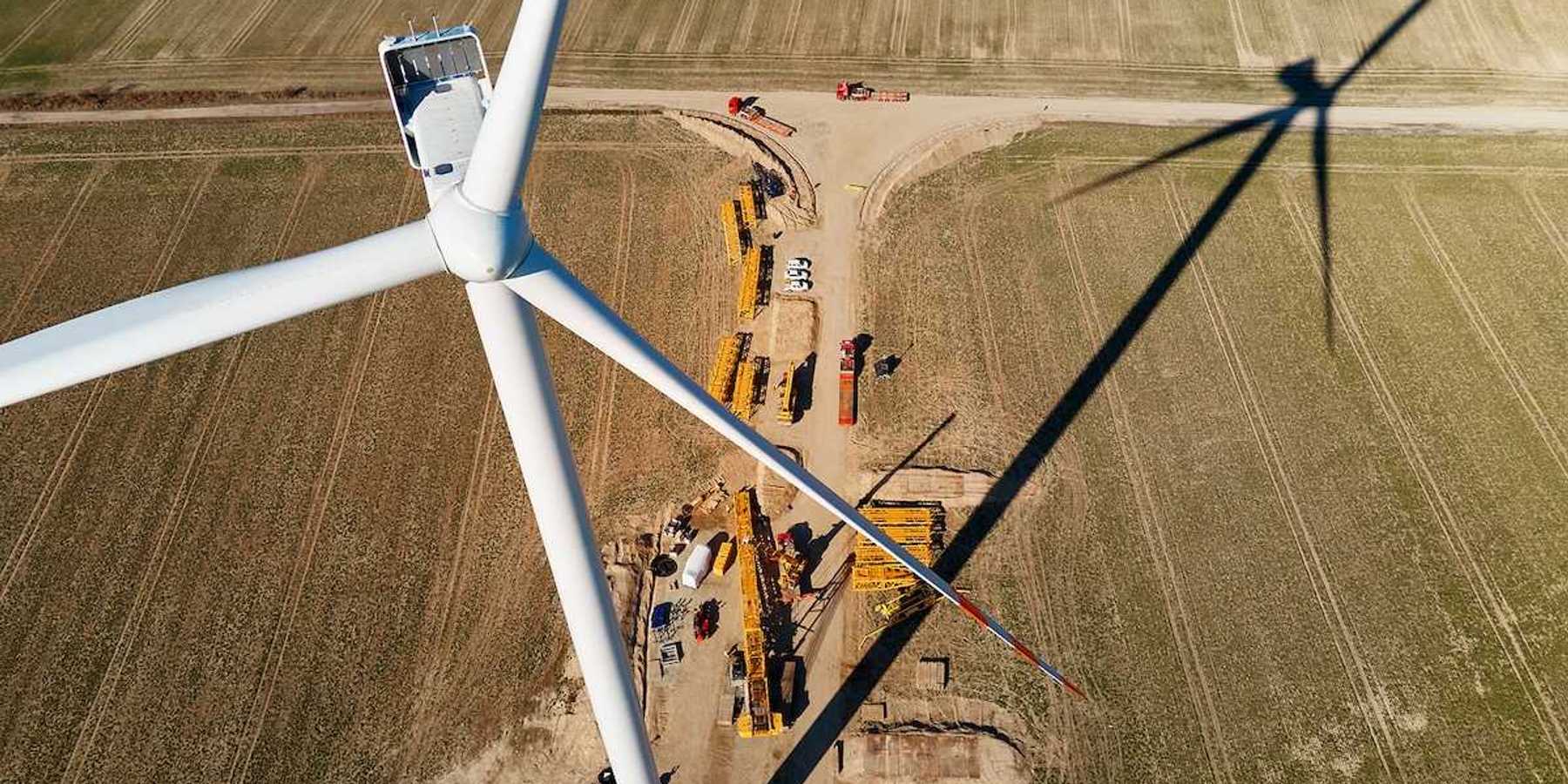
Windmill turbine maintenance at a construction site with cranes for assembling windmill tower,
Credit: Saske_kun/BigStock Photo ID: 453866283

As permitting bill debate approaches, Senators have fresh doubts and an ultimatum

The proposal has divided clean energy and environmental groups, while a new report shows potential emissions benefits.
Cupped child-hands catching drops of water from a tap above cracked, dry earth
Credit: R_tee/BigStock Photo ID: 364659220

El Niño-driven drought in Papua New Guinea a ‘national crisis’ as rivers dry up and local farms fail

As many as eight million people have been affected by the cascading issues of food shortages, electricity loss and health clinic closures.

Solar energy panel shown with a hand holding a photovoltaic cell,
Credit: lotusgraph/BigStock Photo ID: 388391344

China's clean tech exports make a big dent in emissions, report says

China is exporting a record amount of clean energy technology and that is making a dent in global emissions.
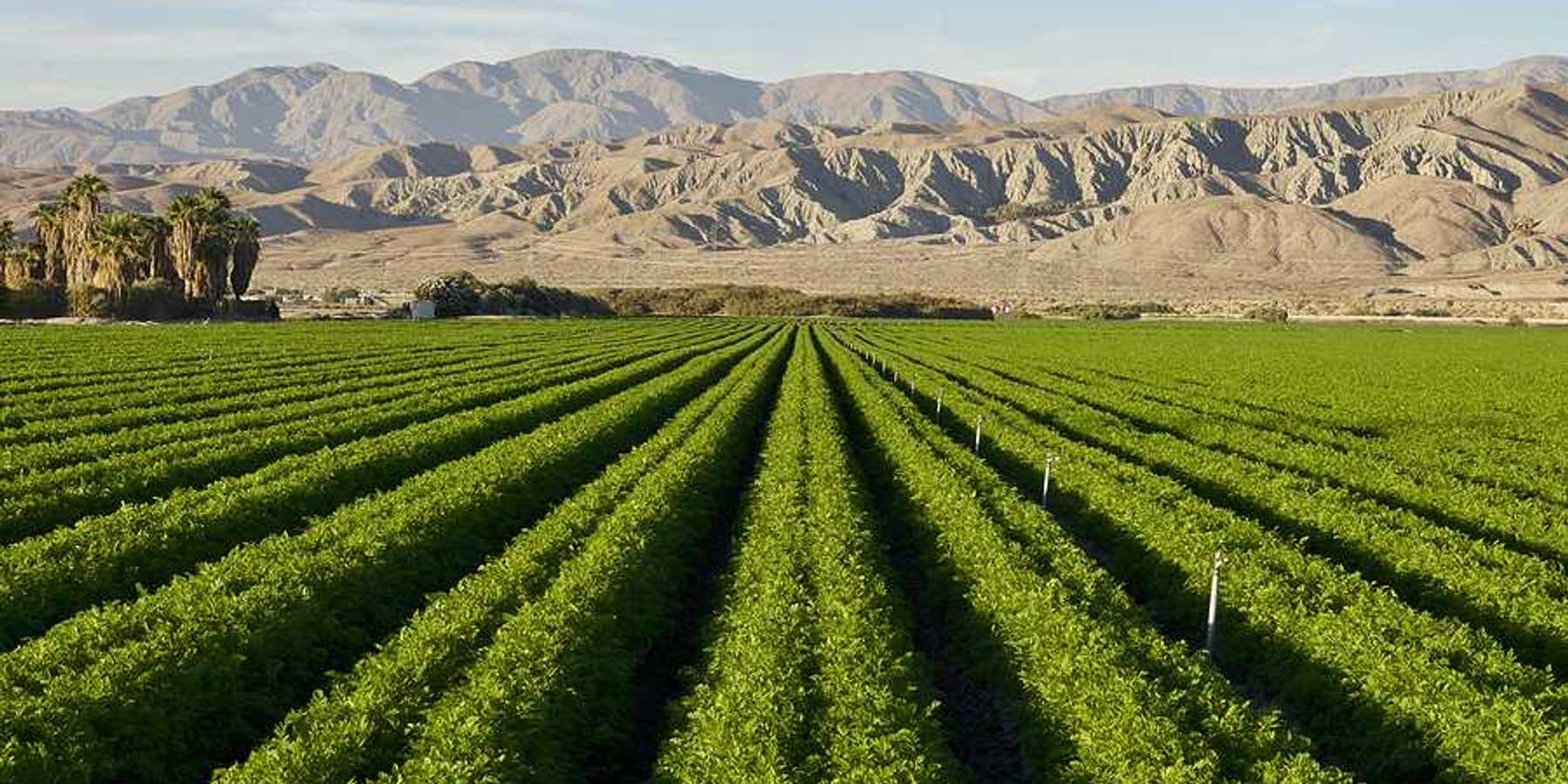
A view of a green field with desert mountains in the background

‘I don’t trust them’: The data center fight mobilizing Imperial County voters

Residents across party lines are channeling anger over plans for California’s largest data center into local elections.
An abstract view of flames with smoke rising from them

Los Angeles fire smoke exposed millions to toxic metals, study finds

During the peak of the 2025 Los Angeles fires, approximately 7 million residents were exposed to airborne lead concentrations over 24 hours that exceeded 80 times the normal background level.

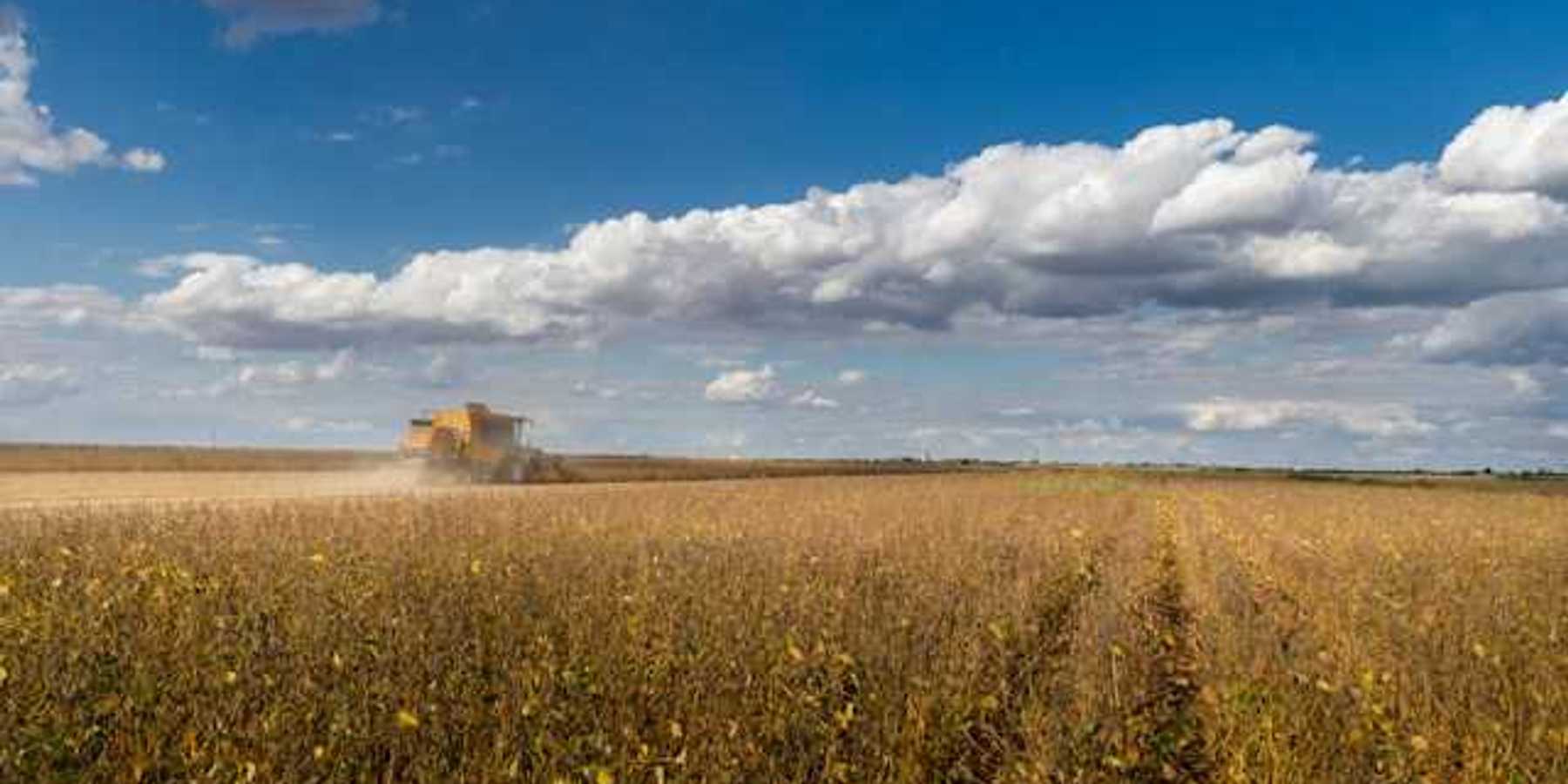
A view of a prairie farm field with a tractor in the distance

Farmers on the frontlines of climate change reflect on an unpredictable future

Wet weather hammered many crops across the Prairies this summer. Here’s how some Manitoba farmers are thinking about the future.

From our Newsroom
Multiple Houston-area oil and gas facilities that have violated pollution laws are seeking permit renewals

Multiple Houston-area oil and gas facilities that have violated pollution laws are seeking permit renewals

One facility has emitted cancer-causing chemicals into waterways at levels up to 520% higher than legal limits.

Regulators are underestimating health impacts from air pollution: Study

Regulators are underestimating health impacts from air pollution: Study

"The reality is, we are not exposed to one chemical at a time.”

Pennsylvania governor Josh Shapiro speaks with the state flag and American flag behind him.

Two years into his term, has Gov. Shapiro kept his promises to regulate Pennsylvania’s fracking industry?

A new report assesses the administration’s progress and makes new recommendations

silhouette of people holding hands by a lake at sunset

An open letter from EPA staff to the American public

“We cannot stand by and allow this to happen. We need to hold this administration accountable.”

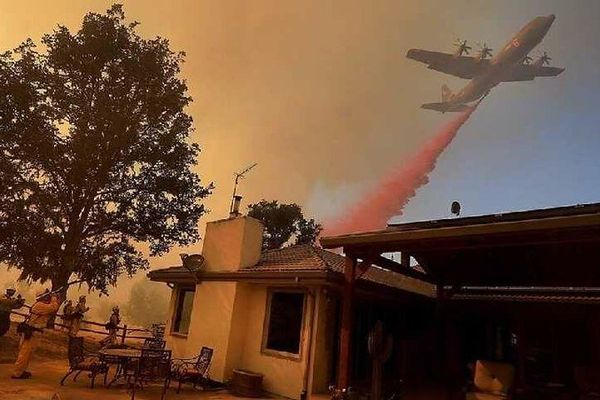
wildfire retardants being sprayed by plane

New evidence links heavy metal pollution with wildfire retardants

“The chemical black box” that blankets wildfire-impacted areas is increasingly under scrutiny.

Stay informed: sign up for The Daily Climate newsletter
Top news on climate impacts, solutions, politics, drivers. Delivered to your inbox week days.