Maine accuses oil companies of misleading the public on climate impact

Maine has sued major oil companies, alleging they concealed the environmental risks of fossil fuels for decades, contributing to climate change and the state's rising costs for adaptation and recovery.

Karen Zraick reports for The New York Times.


In short:

  • Maine filed a lawsuit against Exxon Mobil, Shell, Chevron and the American Petroleum Institute, accusing them of deceptive practices and negligence since the 1960s.
  • The state seeks damages and funding for climate adaptation, citing worsening storms, sea-level rise and economic impacts tied to fossil fuels.
  • Oil companies and their allies argue the lawsuits are politically driven and better addressed through federal policy, pointing to legal setbacks in similar cases.

Key quote:

“For over half a century, these companies chose to fuel profits instead of following their science to prevent what are now likely irreversible, catastrophic climate effects.”

— Aaron M. Frey, Maine attorney general

Why this matters:

Lawsuits against fossil fuel companies could set precedents for holding industries accountable for climate-related damages. Maine’s case reflects growing frustration over corporate roles in environmental crises, as states face mounting costs for mitigation and recovery.

Related: Oil refinery faces potential lawsuit from environmental groups over pollution breaches

A car driving through floodwaters in a city after a heavy rain

Dangerous heavy rains are getting more likely and widespread

Seven of the top 11 highest-volume precipitation events over the past 77 years have occurred just in the past 10 years.
A plant spewing pollution into the air

Energy crisis fuels calls to cut methane emissions

World officials are pushing for action to reduce methane emissions from the fossil fuel sector, arguing it would both help slow climate change and boost energy security.

A wildfire moving through a forest

Drought raises the stakes of New Hampshire's relationship to fire

The drought in New Hampshire is emblematic of the effects of climate change on weather patterns in the Northeast, experts say.

Gas dispensers at a gas station

Amsterdam becomes world's first capital city to ban public adverts for fossil fuels and meat

Initially proposed in 2020, Amsterdam has officially banned on public advertisements promoting meat and fossil fuel products.
Several piles of coal with equipment in the background

Inside the fiery end of Vancouver Island’s last coal mine

How a U.S. owner’s dream of ‘clean’ coal left behind acid, arsenic and a warning for today.

Red and orange flames with black smoke in the distance

The Iran war has changed the global energy system forever

The conflict may be the beginning of the end of fossil fuel dominance.
Highway map segment of New Orleans partially submerged in water
Credit: stvan4245/BigStock Photo ID: 2404240

‘Point of no return’: New Orleans relocation must start now due to sea level, study finds

Louisiana’s cultural hotspot could be surrounded by the Gulf of Mexico before the end of this century, authors say.

From our Newsroom
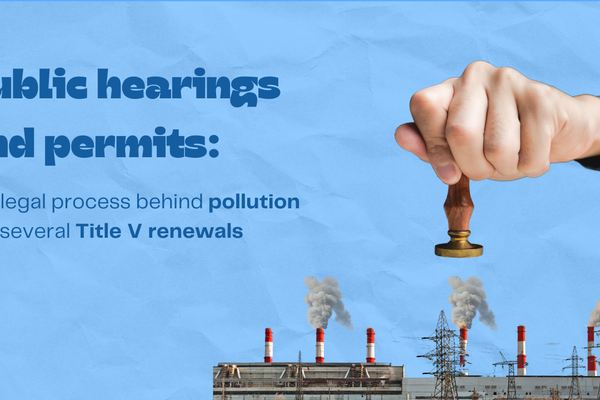
Multiple Houston-area oil and gas facilities that have violated pollution laws are seeking permit renewals

Multiple Houston-area oil and gas facilities that have violated pollution laws are seeking permit renewals

One facility has emitted cancer-causing chemicals into waterways at levels up to 520% higher than legal limits.

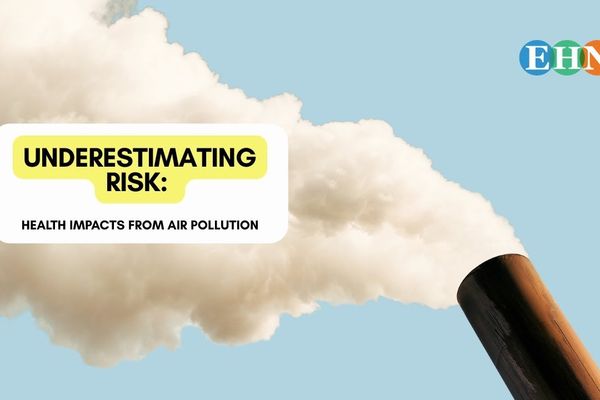
Regulators are underestimating health impacts from air pollution: Study

Regulators are underestimating health impacts from air pollution: Study

"The reality is, we are not exposed to one chemical at a time.”

Pennsylvania governor Josh Shapiro speaks with the state flag and American flag behind him.

Two years into his term, has Gov. Shapiro kept his promises to regulate Pennsylvania’s fracking industry?

A new report assesses the administration’s progress and makes new recommendations

silhouette of people holding hands by a lake at sunset

An open letter from EPA staff to the American public

“We cannot stand by and allow this to happen. We need to hold this administration accountable.”

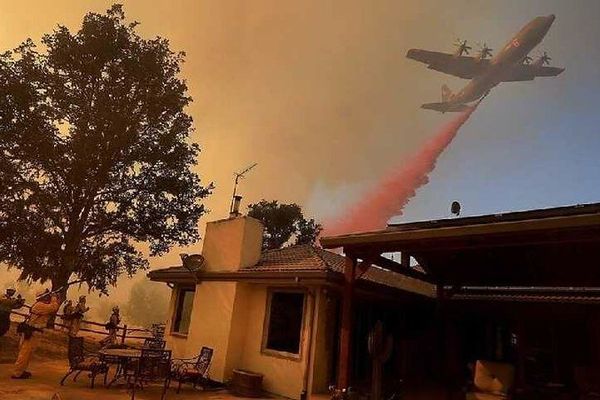
wildfire retardants being sprayed by plane

New evidence links heavy metal pollution with wildfire retardants

“The chemical black box” that blankets wildfire-impacted areas is increasingly under scrutiny.

Stay informed: sign up for The Daily Climate newsletter
Top news on climate impacts, solutions, politics, drivers. Delivered to your inbox week days.