Melting Arctic permafrost releases vast stores of carbon into the atmosphere

A new study reveals that over a third of the Arctic's permafrost, once a carbon storage powerhouse, is now emitting carbon dioxide as global temperatures rise.

Patrick Greenfield reports for The Guardian.


In short:

  • Arctic ecosystems that stored carbon for millennia are now emitting CO2, with 30% of the region a net source of emissions, rising to 40% when wildfire emissions are included.
  • Rising temperatures are thawing permafrost, increasing microbial activity that decomposes organic material and releases stored carbon.
  • Scientists warn this permafrost-carbon feedback could accelerate climate change, as Arctic carbon reserves are nearly double the carbon currently in the atmosphere.

Key quote:

“There is a load of carbon in the Arctic soils. It’s close to half of the Earth’s soil carbon pool. That’s much more than there is in the atmosphere. There’s a huge potential reservoir that should ideally stay in the ground.”

— Anna Virkkala, lead author of the study

Why this matters:

As Arctic permafrost thaws, it releases immense amounts of carbon, amplifying global warming. This feedback loop threatens to undermine efforts to curb climate change, making it critical to monitor and mitigate these emissions.


San Francisco skyline on a clear day

London, San Francisco and Beijing achieve ‘remarkable reductions’ in air pollution

Cycle lanes, electric cars and other interventions have helped 19 global cities slash levels of pollutants by more than 20%.

Petroleum storage tanks in a green industrial setting

There’s Something in the Air in South Portland, Maine

Emissions test results are in on the city’s 120 petroleum storage tanks. One activist scientist says they are high enough “to merit serious attention,” while a Citgo spokesman says the company is taking residents’ concerns seriously and working with state regulators.
A maintenance worker wearing black standing in front of solar panels

New solar installations in Nevada fell dramatically in 2025

Nevada solar installations dropped sharply last year as Trump administration policies prioritized fossil fuels and limited renewable energy growth.

A view of solar panels and wind turbines with the sunset in the distance

Spain’s renewables revolution will keep energy bills low even as gas prices soar

Spain spent the last six years investing heavily in wind and solar energy, leading to some of the cheapest power prices in Europe.
A Black man pouring water on his neck on a hot day

The planet is overheating. Why is the news looking away?

Since 2021, global media coverage of climate change has dropped 38 percent. Blame wars, political chaos, and Jeffrey Epstein.
A worker walking among solar panels

EPA oversight office finds ‘no issues’ with Biden-era environmental justice program

Community Change grants, which the Trump administration canceled last year, funded solar-powered greenhouses, composting, and community gardens.

The New Mexico state building in Santa Fe

Climate chilled at New Mexico legislature — again

New Mexico lawmakers again rejected a greenhouse gas reduction bill while approving public funds to address oil and gas problems like abandoned wells and earthquakes.

From our Newsroom
Multiple Houston-area oil and gas facilities that have violated pollution laws are seeking permit renewals

Multiple Houston-area oil and gas facilities that have violated pollution laws are seeking permit renewals

One facility has emitted cancer-causing chemicals into waterways at levels up to 520% higher than legal limits.

Regulators are underestimating health impacts from air pollution: Study

Regulators are underestimating health impacts from air pollution: Study

"The reality is, we are not exposed to one chemical at a time.”

Pennsylvania governor Josh Shapiro speaks with the state flag and American flag behind him.

Two years into his term, has Gov. Shapiro kept his promises to regulate Pennsylvania’s fracking industry?

A new report assesses the administration’s progress and makes new recommendations

silhouette of people holding hands by a lake at sunset

An open letter from EPA staff to the American public

“We cannot stand by and allow this to happen. We need to hold this administration accountable.”

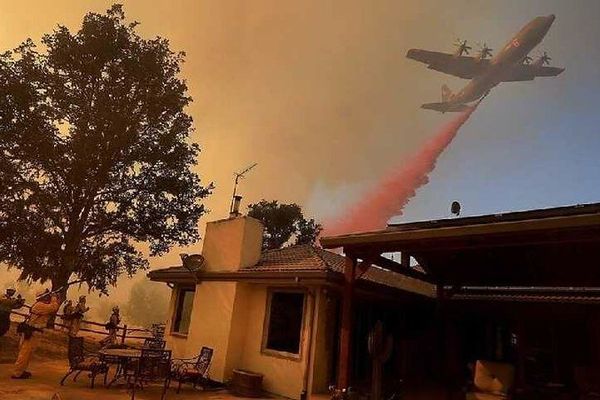
wildfire retardants being sprayed by plane

New evidence links heavy metal pollution with wildfire retardants

“The chemical black box” that blankets wildfire-impacted areas is increasingly under scrutiny.

Stay informed: sign up for The Daily Climate newsletter
Top news on climate impacts, solutions, politics, drivers. Delivered to your inbox week days.