Methane emissions are rising at a record-breaking pace

Methane, one of the most potent greenhouse gases, is increasing at the fastest rate ever recorded, driven by fossil fuel use, agriculture and landfills, threatening global climate goals.

Sarah Kaplan reports for The Washington Post.


In short:

  • Methane levels are rising faster than ever, and scientists warn this could push global temperatures beyond safe limits.
  • Livestock, landfills and natural gas consumption are key contributors to methane emissions, which increased 20% from 2000 to 2020.
  • Human activity is also amplifying methane emissions from natural ecosystems like lakes and wetlands.

Key quote:

“These extra methane emissions bring the temperature thresholds ever closer.”

— Rob Jackson, Stanford University climate scientist and chair of the Global Carbon Project

Why this matters:

Methane traps 30 times more heat than carbon dioxide, making it a major driver of short-term climate change. Reducing methane emissions is one of the quickest ways to slow global warming, but current efforts are falling far short.
A beach on a misty lake

Untested: Northern Ontario health units stop monitoring beaches

Just as climate change makes a cool swim more necessary, the health unit in Parry Sound and North Bay is no longer testing beach water.

A sign in a city with the words JP Morgan Chase

Fossil fuel financing surged to $906 billion in 2025 as big banks retreat from climate promises

JPMorgan topped the list of bankers embracing “disaster capitalism” as Trump’s climate deregulation policies inspire more industry investments, new report finds.

A glacier flowing down a valley under a snowy mountain range

The glacier may be gone, but the love isn't

An interview with Time and Water director Sara Dosa on climate grief, memory and the films that actually move people.
A row of wind turbines on green hills

Europe’s energy crisis has a silver lining: It just made going green a lot cheaper

New research shows that accelerating Europe's green transition by a decade could now pay for itself — and then some.

A World Cup soccer stadium

The World Cup is one wildfire away from an air quality disaster

FIFA says it's prepared for "climate-related risks" but doesn't appear to have a plan for wildfire smoke, which can be harmful to players and fans.
Chase Bank business front.

World’s largest banks pledged $906 billion to fossil fuel companies in ‘unfathomable’ increase in 2025, report finds

JPMorgan Chase leads 65 banks making decisions incompatible with restraining rising temperatures, researchers say.

From our Newsroom
Multiple Houston-area oil and gas facilities that have violated pollution laws are seeking permit renewals

Multiple Houston-area oil and gas facilities that have violated pollution laws are seeking permit renewals

One facility has emitted cancer-causing chemicals into waterways at levels up to 520% higher than legal limits.

Regulators are underestimating health impacts from air pollution: Study

Regulators are underestimating health impacts from air pollution: Study

"The reality is, we are not exposed to one chemical at a time.”

Pennsylvania governor Josh Shapiro speaks with the state flag and American flag behind him.

Two years into his term, has Gov. Shapiro kept his promises to regulate Pennsylvania’s fracking industry?

A new report assesses the administration’s progress and makes new recommendations

silhouette of people holding hands by a lake at sunset

An open letter from EPA staff to the American public

“We cannot stand by and allow this to happen. We need to hold this administration accountable.”

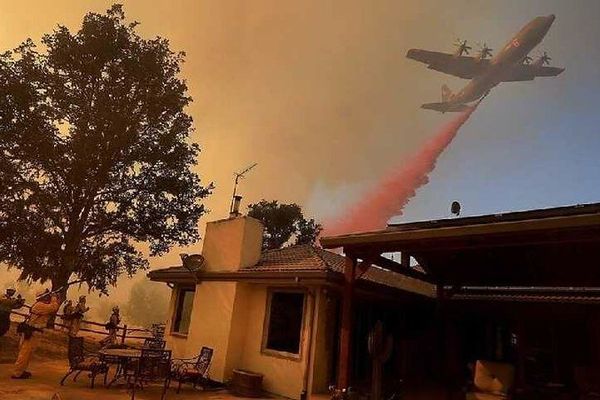
wildfire retardants being sprayed by plane

New evidence links heavy metal pollution with wildfire retardants

“The chemical black box” that blankets wildfire-impacted areas is increasingly under scrutiny.

Stay informed: sign up for The Daily Climate newsletter
Top news on climate impacts, solutions, politics, drivers. Delivered to your inbox week days.