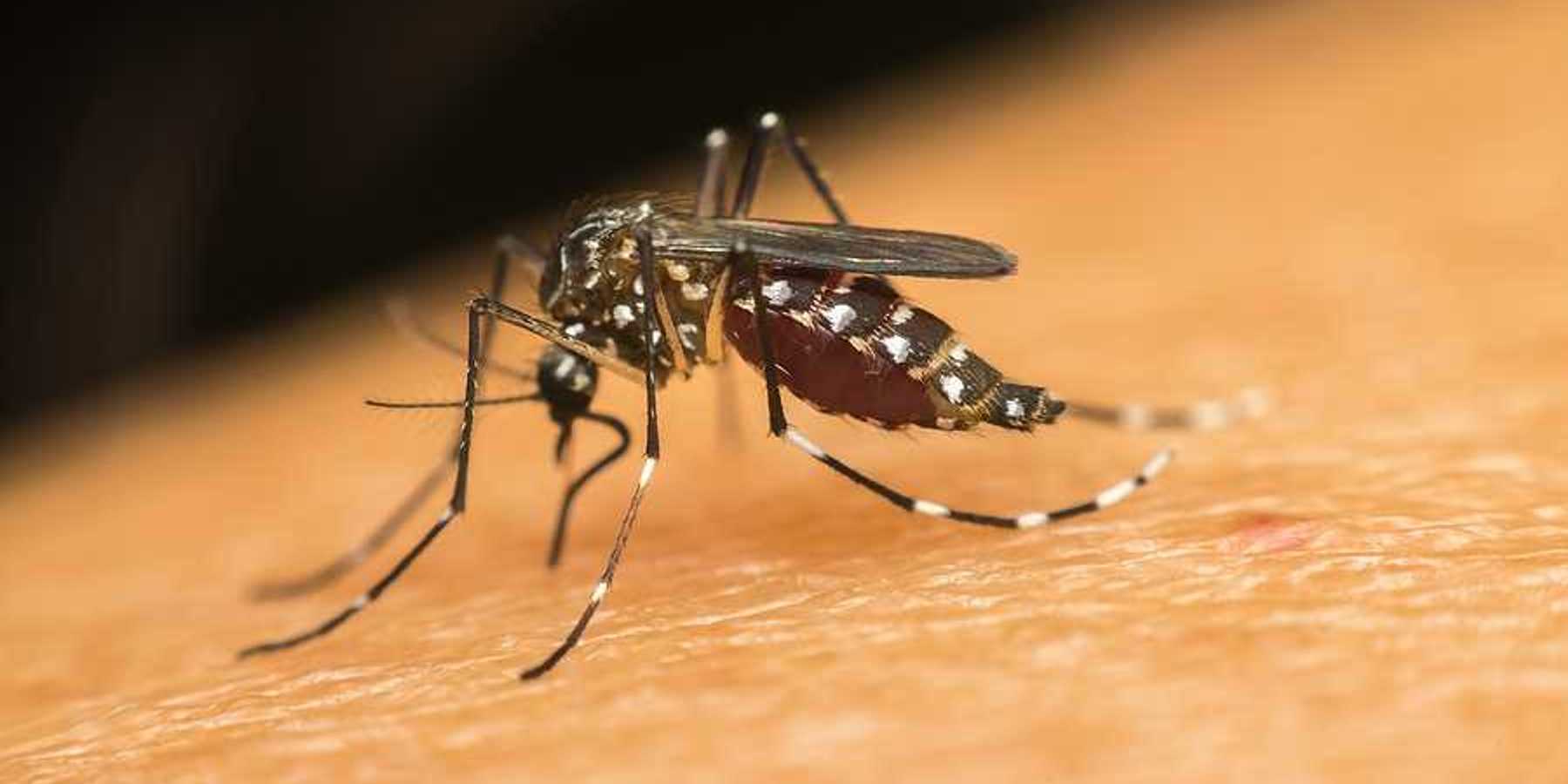
Methane emissions from warming ecosystems pose a major climate threat

Methane released from thawing permafrost and tropical wetlands is accelerating climate breakdown, making the reduction of human-caused emissions crucial.

Rob Jackson reports for The Guardian.


In short:

  • Methane emissions from natural sources like tropical wetlands and Arctic permafrost are increasing as global temperatures rise.
  • Efforts to curb human-caused methane emissions could reduce global warming by 0.5°C, but this may not be enough as natural emissions increase.
  • Restoration projects like Finland’s Linnunsuo reserve show potential in reducing methane emissions by rehabilitating damaged ecosystems.

Key quote:

"We are seeing a collision of two phenomena; one natural, which is El Niño, and the other a phenomenon produced by humans, which is the change in the Earth’s temperature."

— Ayan Fleischmann, hydrologist

Why this matters:

Methane is a potent greenhouse gas, and its increasing release from natural and human sources could severely accelerate climate change, making immediate action necessary.

Related EHN coverage:
A person installing solar panels on a rooftop

Opinion: Michigan families deserve the solar savings they were promised

A sudden decision by federal officials to cancel the Solar for All program has stalled rooftop solar projects across Michigan, jeopardizing promised energy savings for thousands of households and disrupting work for local clean-energy businesses.

Books in a glass bookshelf

Climate lawsuits reshape global rules as courts hold governments and polluters to account

A decade of climate litigation has transformed once-unlikely legal challenges into powerful tools compelling governments and major emitters to strengthen climate action.

A weathered woven bamboo house on tall wooden stilts stands over shallow coastal water

Filipinos wade through floodwaters due to sinking land, rising sea & corruption

Flooded homes and submerged roads are now reshaping life in coastal and island communities in the Philippines, showing how a combination of hazards are influencing the way communities adapt and struggle to cope with climate change.

man in suit holding a toy model of a house and using a calculator

Trump’s anti-climate policies are driving up insurance costs for homeowners, say experts

Tariffs, extreme weather events and the president’s funding cuts are contributing to increasing home insurance rates, sometimes by double digits.

A closeup of the Zillow logo on a website

Zillow pulls climate risk scores from listings after industry backlash

Zillow has removed climate risk data from its home listings amid complaints from real estate agents and some homeowners who said the scores seemed arbitrary and were hurting sales.

Donald Trump speaking at lectern
Credit: Copyright: actionsports/BigStock Photo ID: 125165264

Fuel savings vs. car costs: Trump to roll back Biden vehicle rules

The administration announced the new standards Wednesday.
A closeup of corn stalks

Corn’s clean-energy promise is clashing with its climate footprint

Corn dominates U.S. farmland and fuels the ethanol industry, but the fertilizer it relies on drives emissions and fouls drinking water.

From our Newsroom
Multiple Houston-area oil and gas facilities that have violated pollution laws are seeking permit renewals

Multiple Houston-area oil and gas facilities that have violated pollution laws are seeking permit renewals

One facility has emitted cancer-causing chemicals into waterways at levels up to 520% higher than legal limits.

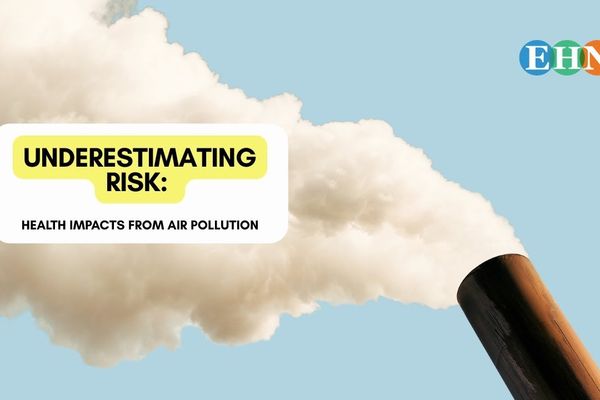
Regulators are underestimating health impacts from air pollution: Study

Regulators are underestimating health impacts from air pollution: Study

"The reality is, we are not exposed to one chemical at a time.”

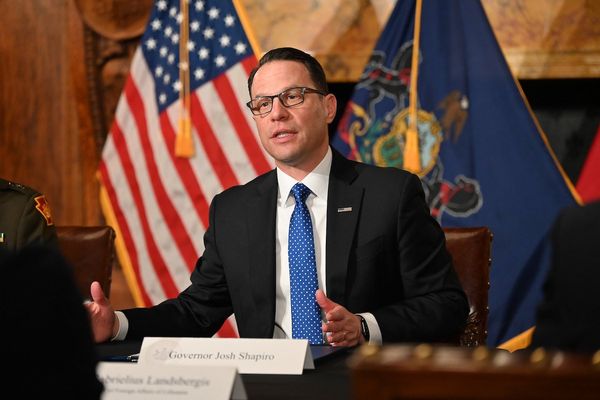
Pennsylvania governor Josh Shapiro speaks with the state flag and American flag behind him.

Two years into his term, has Gov. Shapiro kept his promises to regulate Pennsylvania’s fracking industry?

A new report assesses the administration’s progress and makes new recommendations

silhouette of people holding hands by a lake at sunset

An open letter from EPA staff to the American public

“We cannot stand by and allow this to happen. We need to hold this administration accountable.”

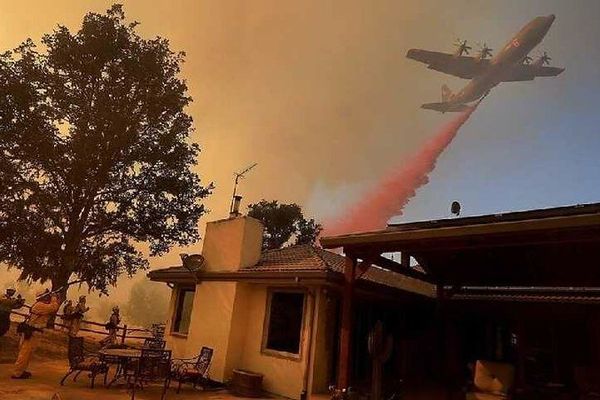
wildfire retardants being sprayed by plane

New evidence links heavy metal pollution with wildfire retardants

“The chemical black box” that blankets wildfire-impacted areas is increasingly under scrutiny.

Stay informed: sign up for The Daily Climate newsletter
Top news on climate impacts, solutions, politics, drivers. Delivered to your inbox week days.