Microplastics: a threat we can't ignore

Microplastics are invading our bodies, from the air we breathe to the food we eat, sparking growing concerns about their potential health risks.

Sanjay Gupta reports for CNN.


In short:

  • Microplastics, tiny plastic particles from everyday products, have been found in organs, blood and even the placenta, raising alarm over their health effects.
  • These particles carry harmful chemicals like phthalates and PFAS, which disrupt hormones and may contribute to diseases such as heart conditions, cognitive deficits and cancer.
  • Simple lifestyle changes, like avoiding microwaving plastic containers and choosing stainless steel or glass, can significantly reduce exposure.

Key quote:

“It’s so pervasive because there’s so many ways we don’t think something’s plastic, but we realize it actually is.”

— Dr. Leonardo Trasande, Director of Environmental Pediatrics, NYU School of Medicine

Why this matters:

The health implications are staggering, but the solutions often feel out of reach. Avoid plastic altogether? Good luck in a world practically built on it. But experts like Dr. Leonardo Trasande are pointing to small, practical changes as ways to limit the damage. Meanwhile, the bigger battle looms: curbing plastic production before these particles saturate every inch of the planet—and our bodies. Read more: Microplastics in farm soils: A growing concern.

An older Asian woman looking at plants on her patio

Hotter than ever: Hawaiʻi preps kūpuna for extreme heat

Heat resilience workshops on the Big Island are offering tools to vulnerable populations to withstand the state's increasingly common heat waves.
A baby sandpiper standing in a seashell on a beach

As the sea swallows a Nigerian community, migratory bird habitat disappears

Increasingly powerful tides linked to rising sea levels are rapidly eroding the coastline in southwestern Nigeria, damaging local community infrastructure as well as the wetlands that shorebirds rely on.

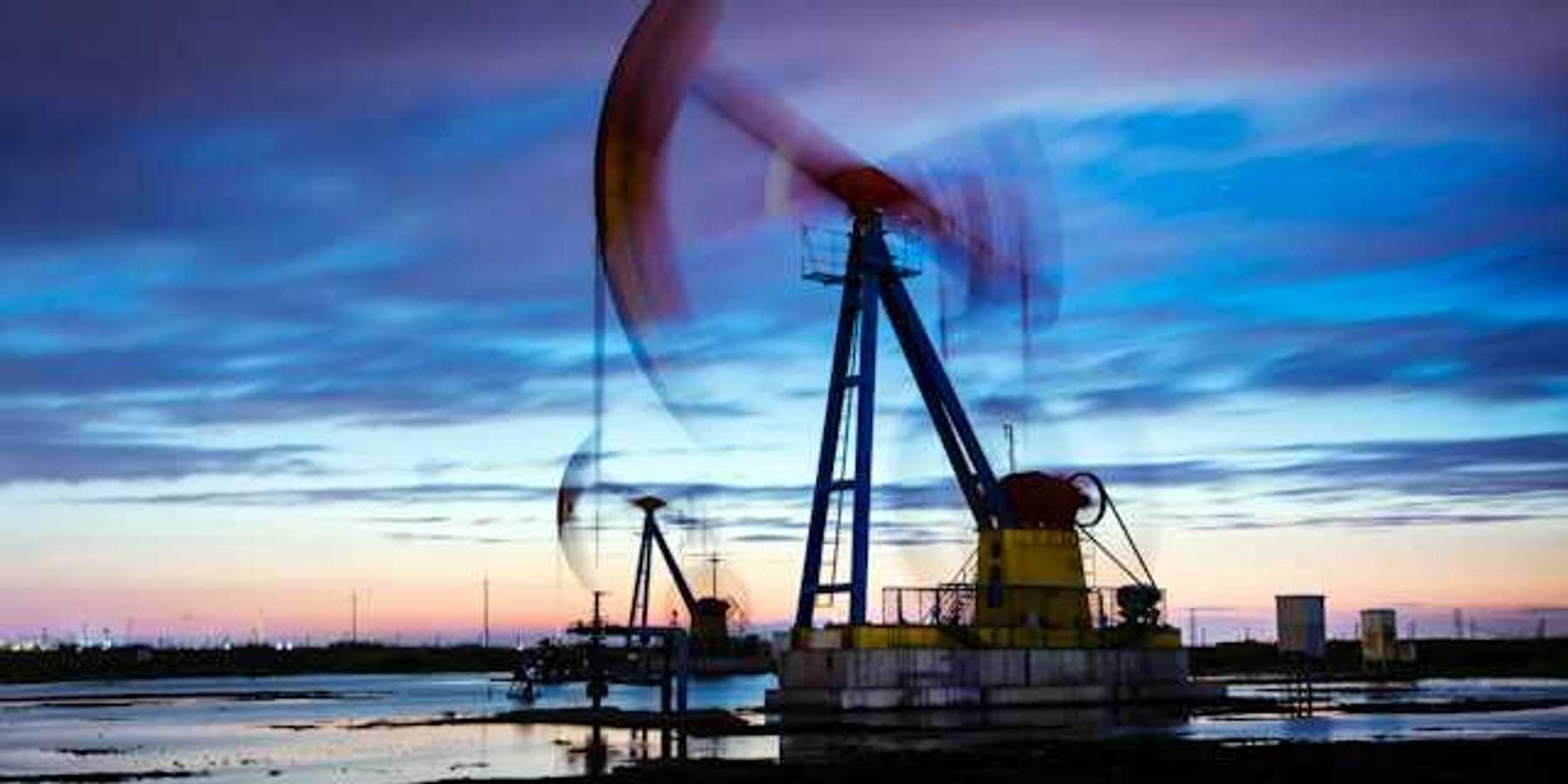
An oil drilling pump jack working in a field a dusk

Trump says he's ending restrictions on methane emissions from oil drilling

President Donald Trump says he's “terminating” a Biden-era rule that aimed to reduce planet-warming emissions of methane from oil and gas drilling.
A view over a darkened valley with the lights of houses and a lake in the background

Stratos Project’s emissions could cause up to 45 premature deaths, illnesses each year

If natural gas continues to be Stratos Project's energy choice, the data center campus would be the root of many public health woes.
SAN DIEGO USA - MAY 27 2016: A protester holds a sign featuring an angry photo of Donald Trump and reading "Bad for America" at an anti-Trump protest outside a Trump rally in San Diego
Credit: shakzu/BigStock Photo ID: 133153415

New satellites see thousands of methane leaks. Governments shrug

A technological revolution is colliding with political decisions in the U.S. and Europe to weaken climate regulations on the potent gas.

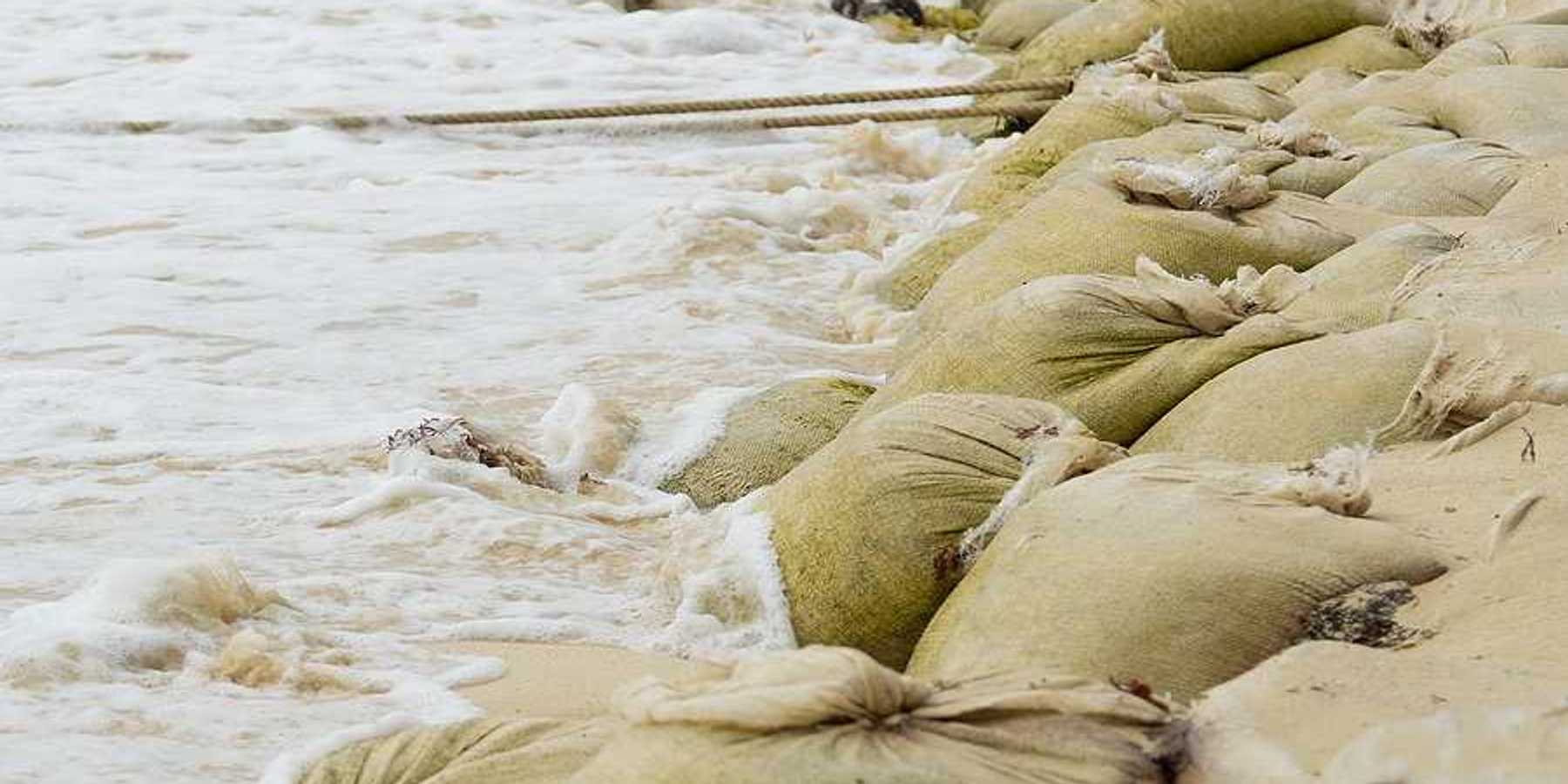
A pile of sandbags helping to keep waves from flooding the beach

Trump’s cuts have exposed US to ‘cascade’ of El Niño dangers, experts warn

Trump has taken an axe to National Oceanic and Atmospheric Administration, stalling climate research on and response to extreme weather events.

From our Newsroom
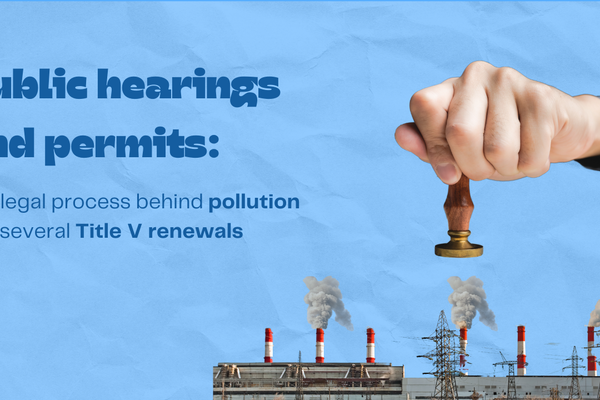
Multiple Houston-area oil and gas facilities that have violated pollution laws are seeking permit renewals

Multiple Houston-area oil and gas facilities that have violated pollution laws are seeking permit renewals

One facility has emitted cancer-causing chemicals into waterways at levels up to 520% higher than legal limits.

Regulators are underestimating health impacts from air pollution: Study

Regulators are underestimating health impacts from air pollution: Study

"The reality is, we are not exposed to one chemical at a time.”

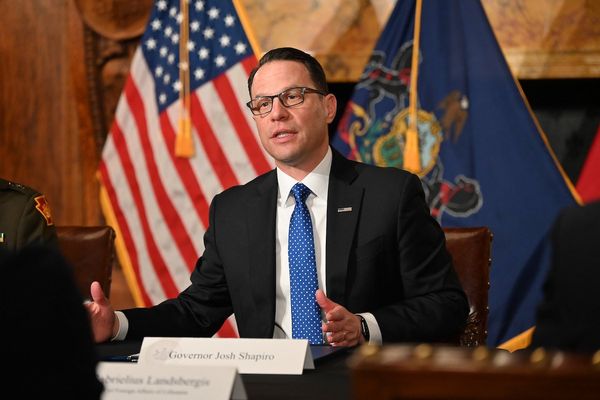
Pennsylvania governor Josh Shapiro speaks with the state flag and American flag behind him.

Two years into his term, has Gov. Shapiro kept his promises to regulate Pennsylvania’s fracking industry?

A new report assesses the administration’s progress and makes new recommendations

silhouette of people holding hands by a lake at sunset

An open letter from EPA staff to the American public

“We cannot stand by and allow this to happen. We need to hold this administration accountable.”

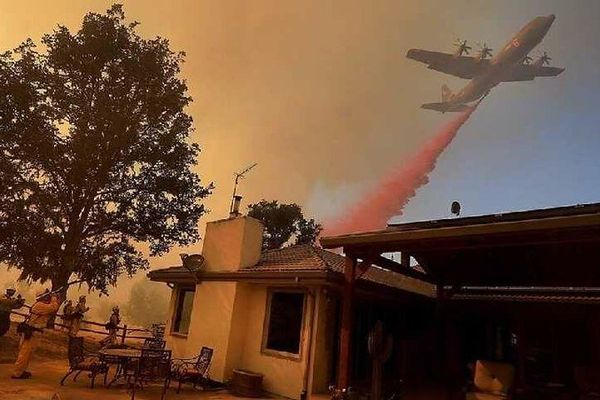
wildfire retardants being sprayed by plane

New evidence links heavy metal pollution with wildfire retardants

“The chemical black box” that blankets wildfire-impacted areas is increasingly under scrutiny.

Stay informed: sign up for The Daily Climate newsletter
Top news on climate impacts, solutions, politics, drivers. Delivered to your inbox week days.