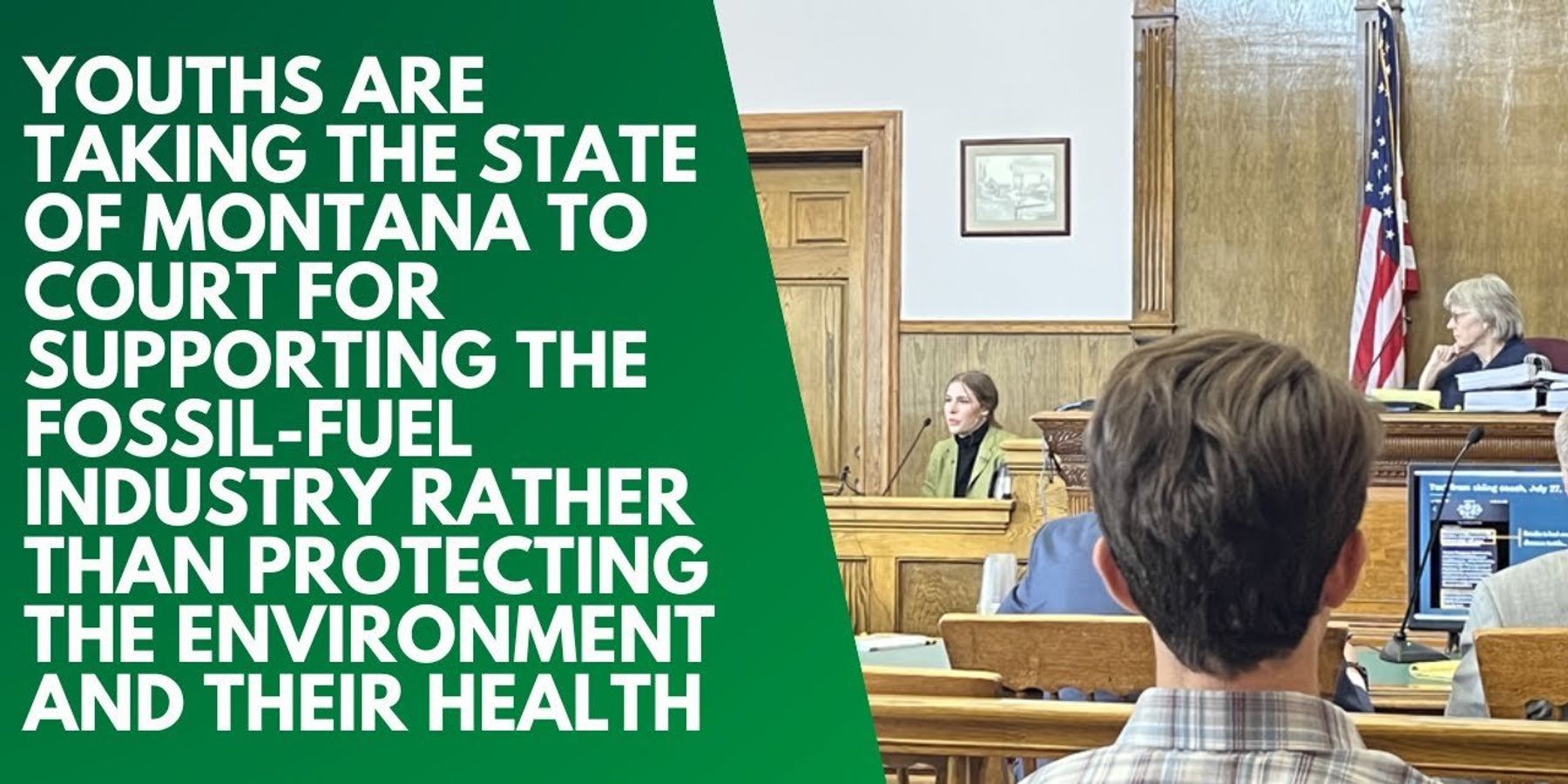
Opinion: Youth v. Montana — Young adults speak up

We are entitled to a ‘clean and healthful’ environment. Montana’s policies are endangering that.

HELENA, Mont. – We stand at the forefront of a consequential lawsuit, driven not only by a commitment to the environment but also by a love for the people and places that make Montana home. We are plaintiffs in Held vs Montana, the first ever constitutional climate case to go to trial.


Despite our state constitution promising the right to “a clean and healthful environment,” our legislators have continued to prioritize fossil fuel industries, which has caused direct harm to our livelihoods – and pose a grave threat to our future.

We are moved to stand up for our rights by a sense of responsibility toward our environment, our communities and our futures. We believe that young people are disproportionately impacted by the effects of climate change. Montana's path and policies are cause for great concern. Through this lawsuit, we aim to set a new direction for our state, and others.

As young people, we’ve lived our whole lives with the devastating consequences of climate change and environmental degradation – and they are getting worse.

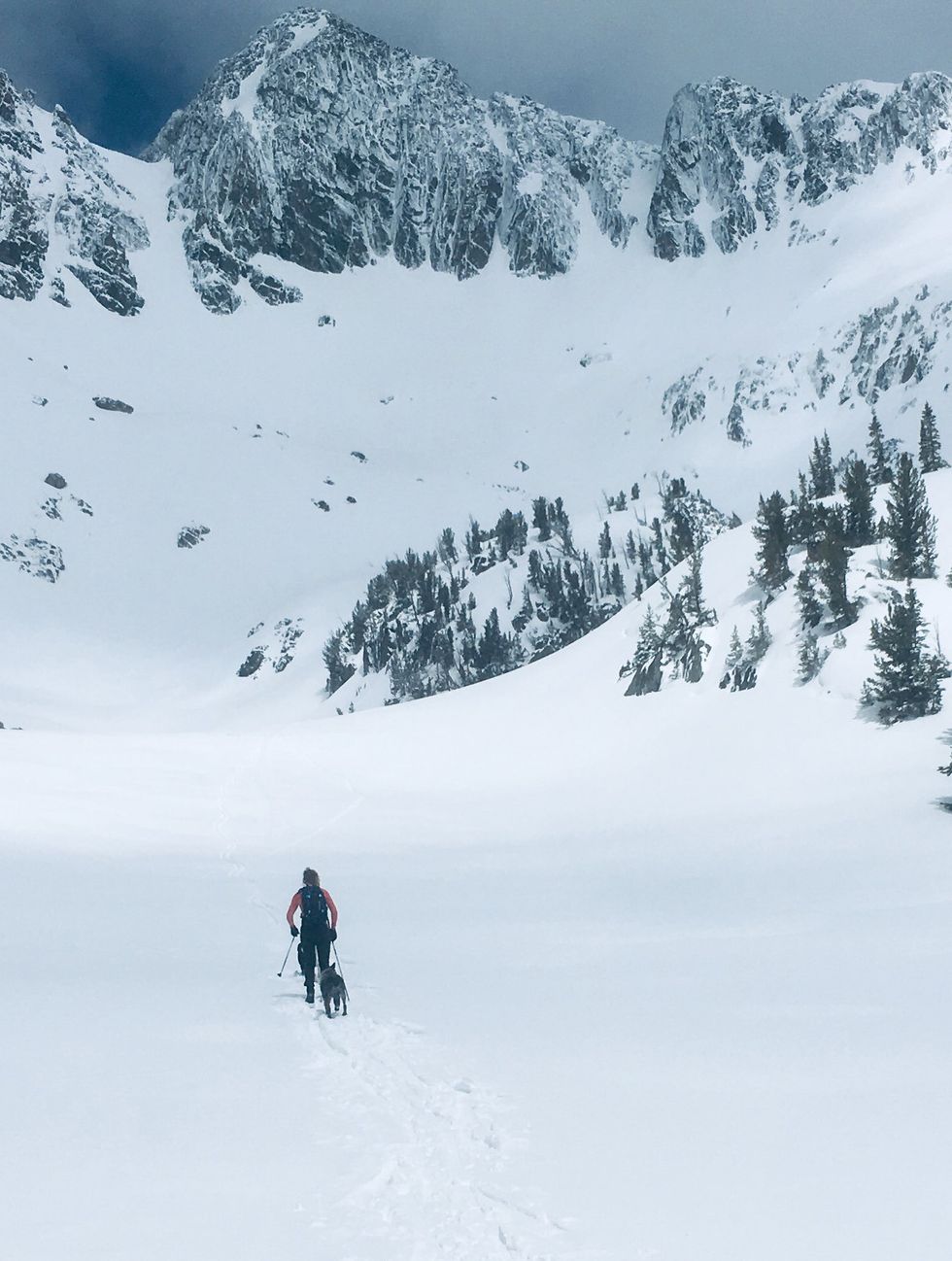
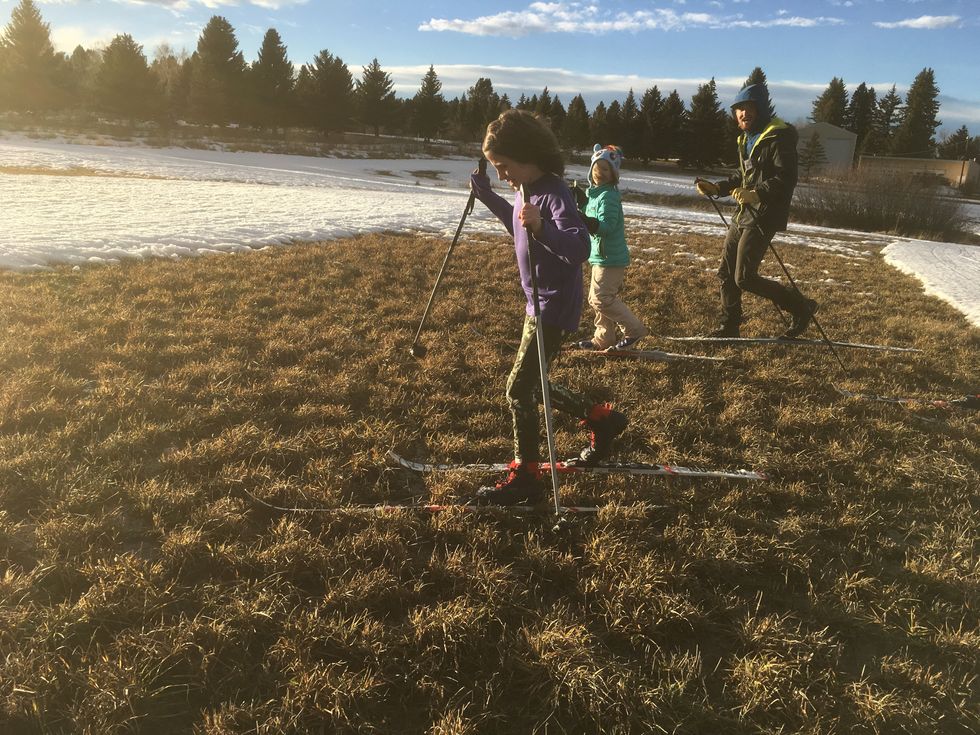
Some of you remember summers without smoke. We don’t. Those smoke-filled summers curtail our ability to train for sports and get outdoors. Droughts have canceled family float trips. A more variable snowpack impairs our abilities to work as ski instructors or perform well in competitive skiing.

Montana climate change

Author Claire Vlases skiing in Montana.
Montana skiing

Author Georgianna Fischer skiing in Montana.

Protect and preserve our climate

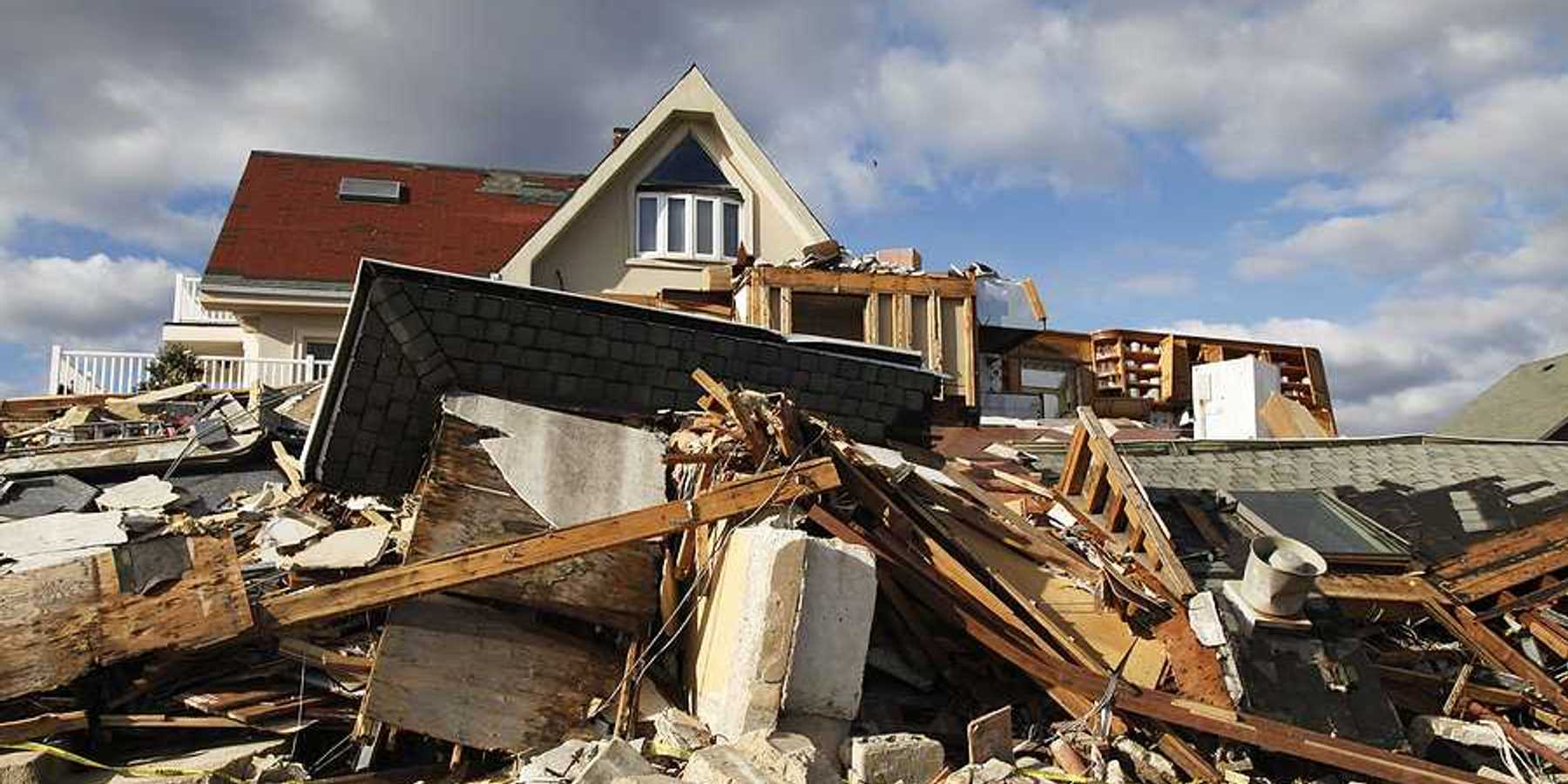
Like the June hailstorms that increasingly ravage Montana’s crops and property, the Legislature's path and policies give us reason to fear. These policies revolve around the promotion of fossil fuel industries that contribute to carbon emissions and exacerbate the climate crisis.

Just this year the Legislature prohibited the state from considering carbon emissions or climate change when considering the impact of new coal mines and power plants.

Each decision made without environmental considerations betrays the landscapes we hold dear and the generations to come. The state’s continued reliance on fossil fuels not only perpetuates climate change but also threatens the resources that have long defined our state's spirit.

Our lawsuit, Held v. Montana, represents a crucial battle for our environment, our constitutional rights and the well-being of our communities. We envision a Montana that breaks loose from outdated practices, a place where our constitutional duty to protect and preserve our natural resources takes precedence.

By holding our state accountable for its unconstitutional promotion of fossil fuel industries, we shape a more sustainable future. We can forge a path towards a prosperous, equitable and resilient state for generations to come.

Montana can lead on climate change
Montana youth climate change lawsuit

"A more variable snowpack impairs our abilities to work as ski instructors or perform well in competitive skiing."

“We’re seeing harm now and accelerating harm in the future,” testified Steve Running, Nobel Laureate and University of Montana Emeritus Regents Professor, at the opening of our trial. “We really have to change the trajectory…. We should have done it decades ago. The next-best thing is right now.”

We are working to make that happen.

We aspire to see a Montana that leads by example, inspiring other states to adopt environmentally conscious policies rooted in constitutional accountability.

Montana should not just be a witness to change, but a catalyst for it. We urge the state to listen to its citizens, especially the youth who will bear the brunt of the climate crisis. As we embark on this legal battle, we carry with us our stories – stories of lives touched by the consequences of unsustainable practices.

We invite you to join us in this pursuit, to raise our voices and demand that Montana – and all states – honor this sacred obligation to our youth and our future. We must rewrite the narrative. We must protect the wild spaces. We must be the stewards future generations deserve.

​Editor's note: Georgianna Fischer is the daughter of Douglas Fischer, executive director of Environmental Health Sciences, which publishes Environmental Health News and The Daily Climate.

A wooden path in the forest leading into the distance

‘What can I offer?’ New book helps readers navigate their climate journeys

In “Climate Wayfinding,” Katharine Wilkinson helps readers take — and sustain — climate action.

A view of a lake with dry mountains in the background

Massive Box Elder County data center could increase Utah’s carbon emissions by 50%

Gov. Spencer Cox fiercely defended the project arguing that every state has the responsibility to accommodate data centers for national security reasons.

A shipping dock with a loaded tanker floating by

Maritime nations push forward with global carbon fee on shipping

The world’s maritime nations preserved a plan to adopt the first global carbon fee on shipping, as they agreed to keep working on it in the fall.

Red and orange flames with black smoke in the distance

The Iran war has changed the global energy system forever

The conflict may be the beginning of the end of fossil fuel dominance.
Two people sitting across from each other at a wooden table with a wooden gavel

Event with links to oil industry teaches judges climate skepticism

A symposium hosted by a center funded by the fossil fuel industry educates judges about free-market views of climate science.

A hummingbird lands on a flower

Toxic chemicals and climate change work together to harm fertility across species

In a recent review published in NPJ Emerging Contaminants, researchers examine how toxic chemicals can reduce fertility in both humans and wildlife, and how these effects are worsened by climate change.


In short:

  • Animals - including insects, fish, reptiles, birds, humans, and other mammals - are constantly simultaneously exposed to synthetic chemicals and the impacts of climate change, including rising temperatures.
  • Both of these stressors can harm fertility, and many of the impacts found are similar across species, such as effects on sperm and eggs.
  • The stress caused by these exposures also impacts overall health, harming animals’ ability to adapt to a changing environment and worsening global biodiversity loss.


Key quote:

“To build a sustainable future, we must recognize that chemicals, once released, don’t simply disappear. Instead, they contribute to the larger issue of driving humanity towards the exceedance of planetary boundaries when considered in combination with climate change and other planetary-level impacts.”


Why this matters:

While climate change and toxic endocrine disrupting chemicals (EDCs) are both individually well-established as health threats, few studies have examined the implications of the widespread simultaneous exposure experienced by humans and wildlife. Many EDCs can also impact health across multiple generations, meaning their harm continues long after the original exposure. To better tackle the issue of EDCs, the authors of this study emphasize the need for strong regulations that address chemicals by class, rather than individually.


Related EHN coverage:


More resources:


Brander, S. et al. (2026). Impacts of environmental stressors on fertility and fecundity across taxa, with implications for planetary health. NPJ Emerging Contaminants.

Solar panels juxtaposed against transmission lines and wind turbines
Credit: kckate16/ BigStock Photo ID: 478351339

Hope is contagious and science is king: 10 big lessons on ending the fossil fuel era

At world-first Santa Marta climate meeting, delegates say it was ‘euphoric’ to finally be focusing on concrete solutions.

From our Newsroom
Multiple Houston-area oil and gas facilities that have violated pollution laws are seeking permit renewals

Multiple Houston-area oil and gas facilities that have violated pollution laws are seeking permit renewals

One facility has emitted cancer-causing chemicals into waterways at levels up to 520% higher than legal limits.

Regulators are underestimating health impacts from air pollution: Study

Regulators are underestimating health impacts from air pollution: Study

"The reality is, we are not exposed to one chemical at a time.”

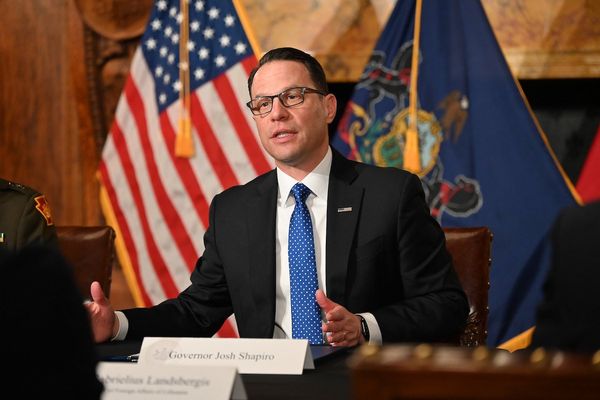
Pennsylvania governor Josh Shapiro speaks with the state flag and American flag behind him.

Two years into his term, has Gov. Shapiro kept his promises to regulate Pennsylvania’s fracking industry?

A new report assesses the administration’s progress and makes new recommendations

silhouette of people holding hands by a lake at sunset

An open letter from EPA staff to the American public

“We cannot stand by and allow this to happen. We need to hold this administration accountable.”

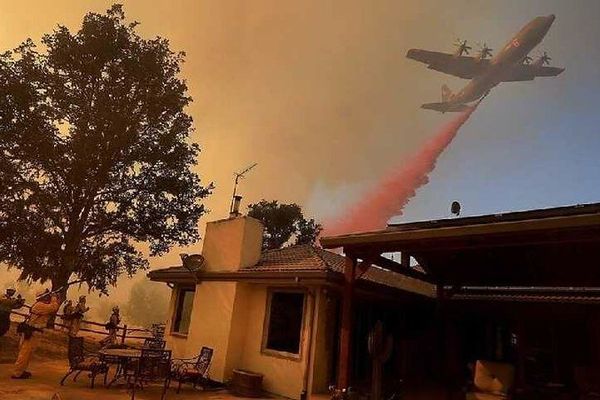
wildfire retardants being sprayed by plane

New evidence links heavy metal pollution with wildfire retardants

“The chemical black box” that blankets wildfire-impacted areas is increasingly under scrutiny.

Stay informed: sign up for The Daily Climate newsletter
Top news on climate impacts, solutions, politics, drivers. Delivered to your inbox week days.