NASA cuts chief scientist role and other positions at headquarters

NASA is eliminating its chief scientist position and several other roles in a workforce reduction ordered by the Trump administration, affecting offices focused on science, technology policy, and diversity.

Kenneth Chang reports for The New York Times.


In short:

  • The cuts include about 19 positions, including NASA's chief scientist, Katherine Calvin, and roles in the Office of Technology, Policy and Strategy.
  • NASA cited an executive order for the reductions, which will cost an estimated $1.2 million in severance.
  • Some worry the move signals broader cuts to NASA’s science programs in favor of human spaceflight initiatives.

Key quote:

“This is shortsighted and hugely alarming. Trump’s assault on science continues. If you wanted a playbook on how to lose to China in every technological race, this is it.”

— Zoe Lofgren, ranking member of the House Committee on Science, Space and Technology

Why this matters:

NASA’s chief scientist has played a key role in shaping the agency’s climate and space policy. Eliminating the position could weaken NASA’s ability to conduct independent scientific research, particularly on climate change. The restructuring also affects diversity and technology policy efforts, raising concerns about the administration’s priorities; some fear this move could lead to further cuts in science funding, shifting NASA’s focus toward human spaceflight at the expense of research that informs global policy and innovation.

Learn more:

A variety of canned fish in metal cans with the lids open on a wood surface

Chilean mackerel now sourced for popular Patagonia tinned fish

Canned fish has one of the smallest carbon footprints among animal proteins — but sourcing it is getting harder with climate change.
Illustration of a printer spitting out green goo

Opinion: How Europe’s climate and sustainability rules were shredded while citizens remained in the dark

Policymakers, civil society, investors, business, and the media all must answer key questions fast — before the regulatory rollback turns into a rout.
Black and white cows standing near a field with wind turbines in the background

Scientists fed biochar to cows. Here’s what happened

A new experiment shows biochar survives cow digestion largely intact, potentially turning cattle into a vehicle for spreading this carbon-stabilizing ingredient into the soil.
A side view of a Greater Prairie Chicken with orange and red feathers on its head

Republicans celebrate as lesser prairie chicken loses threatened, endangered status

The stocky, dancing bird that populates prairies across five states lost its federal protections — not because its habitats have dramatically improved, but because a Texas court sided with energy and livestock groups.
A row of wind turbines alongside a field

The real economic impact of clean energy

US energy chief Chris Wright claims that renewable energy is dragging down Europe's economy. Is that true?
Power plant with smoke and dirty orange air.
Credit: Mikhail Dudarev/BigStock Photo ID: 14021453

Study: 2025 emissions rise due to Trump-era policies

Emissions of sulfur dioxide increased by 18% in 2025, according to an analysis of U.S. Environmental Protection Agency data by the Natural Resources Defense Council, an environmental advocacy group.

From our Newsroom
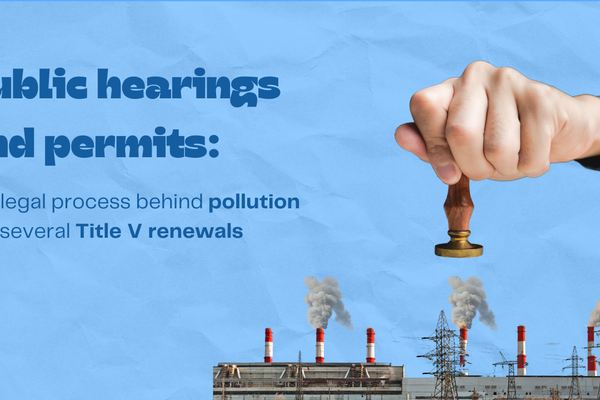
Multiple Houston-area oil and gas facilities that have violated pollution laws are seeking permit renewals

Multiple Houston-area oil and gas facilities that have violated pollution laws are seeking permit renewals

One facility has emitted cancer-causing chemicals into waterways at levels up to 520% higher than legal limits.

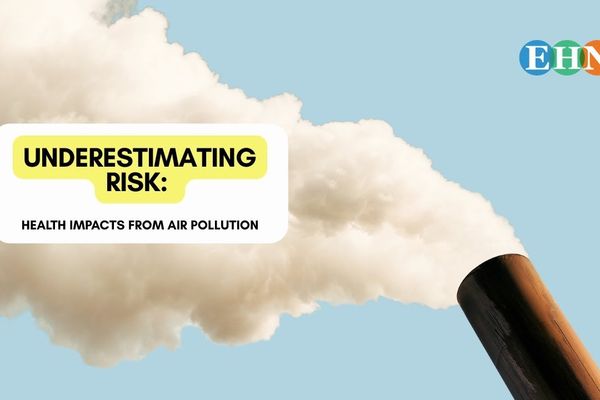
Regulators are underestimating health impacts from air pollution: Study

Regulators are underestimating health impacts from air pollution: Study

"The reality is, we are not exposed to one chemical at a time.”

Pennsylvania governor Josh Shapiro speaks with the state flag and American flag behind him.

Two years into his term, has Gov. Shapiro kept his promises to regulate Pennsylvania’s fracking industry?

A new report assesses the administration’s progress and makes new recommendations

silhouette of people holding hands by a lake at sunset

An open letter from EPA staff to the American public

“We cannot stand by and allow this to happen. We need to hold this administration accountable.”

wildfire retardants being sprayed by plane

New evidence links heavy metal pollution with wildfire retardants

“The chemical black box” that blankets wildfire-impacted areas is increasingly under scrutiny.

Stay informed: sign up for The Daily Climate newsletter
Top news on climate impacts, solutions, politics, drivers. Delivered to your inbox week days.