Native tribes use controlled burns to save sequoias

In response to devastating wildfires, Indigenous tribes in California have resumed cultural burns to protect ancient sequoia trees.

Jim Robbins reports for The New York Times.


In short:

  • Tribes including the Tule River, North Fork Mono, and Tübatulabal are conducting controlled burns to prevent wildfires and protect sequoia forests.
  • These cultural burns were banned in the 19th century but were reintroduced in 2022 after extreme wildfires highlighted their necessity.
  • Cultural burns help manage forest undergrowth, preserve sequoias, and maintain Indigenous cultural practices.

Key quote:

"I want to tell the spirit on the other side of the sun to give us power for this burn. Give us a good burn."

— Robert Gomez, chairman of the Tübatulabal Tribe

Why this matters:

Restoring traditional burning practices aids in wildfire prevention and helps maintain the health and cultural heritage of sequoia forests. As climate change intensifies, these practices are could be valuable for forest resilience and community survival.

A person standing in front of a power plant holding a sign saying Act Now

‘A planet in peril’: UN calls for global climate investment to unlock €17 trillion benefit by 2070

A sweeping new UN report says only a fundamental global shift away from fossil fuels and destructive resource use can prevent catastrophic climate impacts—while delivering trillions in economic benefits within decades.

A view of a hydropower plant during a storm

Trump officials move to strip tribes of veto power over hydropower projects

After the Navajo Nation successfully halted a hydropower proposal on Black Mesa, the Trump administration is pushing to roll back a federal policy that requires tribal consent for such projects.

A closeup of an Uber light in the back window of a car

Uber pulls back from EVs, slashing incentives for drivers

After years of promoting electric vehicle adoption among its drivers, Uber has abruptly scaled back bonuses and support programs, even as its emissions climb and regulators press for cleaner fleets.

A smokestack viewed from below

Boom in burning waste for fuel puts human health and environment at risk

As the world desperately searches for a way out of its global climate change and plastic pollution crises, nations are increasingly turning to burning municipal waste to make fuel as a solution to both problems.

A female doctor standing next to a glass wall

Are environmental risks making Canada's doctor shortage worse?

From Alberta’s oilsands to B.C.’s gas fields and Ontario’s Chemical Valley, doctors in Canada are increasingly weighing air pollution, industrial toxins and climate-driven disasters when deciding where to live and work.

EPA web site page on causes of climate change
Photo Credit: EPA Website/ https://www.epa.gov/climatechange-science/causes-climate-change

The EPA erases mention of human-caused climate change from its website

Some pages have been tweaked to emphasize ‘natural forces’; others have been deleted entirely.
From our Newsroom
Multiple Houston-area oil and gas facilities that have violated pollution laws are seeking permit renewals

Multiple Houston-area oil and gas facilities that have violated pollution laws are seeking permit renewals

One facility has emitted cancer-causing chemicals into waterways at levels up to 520% higher than legal limits.

Regulators are underestimating health impacts from air pollution: Study

Regulators are underestimating health impacts from air pollution: Study

"The reality is, we are not exposed to one chemical at a time.”

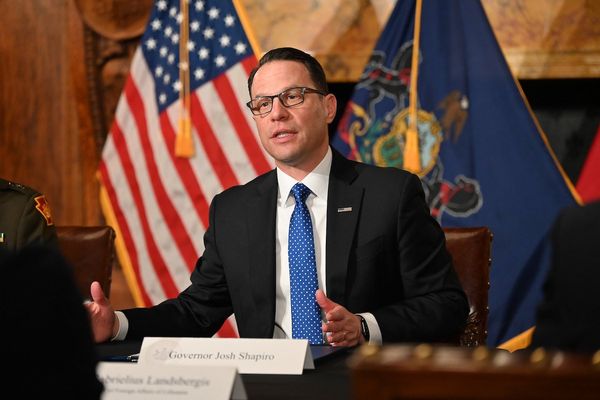
Pennsylvania governor Josh Shapiro speaks with the state flag and American flag behind him.

Two years into his term, has Gov. Shapiro kept his promises to regulate Pennsylvania’s fracking industry?

A new report assesses the administration’s progress and makes new recommendations

silhouette of people holding hands by a lake at sunset

An open letter from EPA staff to the American public

“We cannot stand by and allow this to happen. We need to hold this administration accountable.”

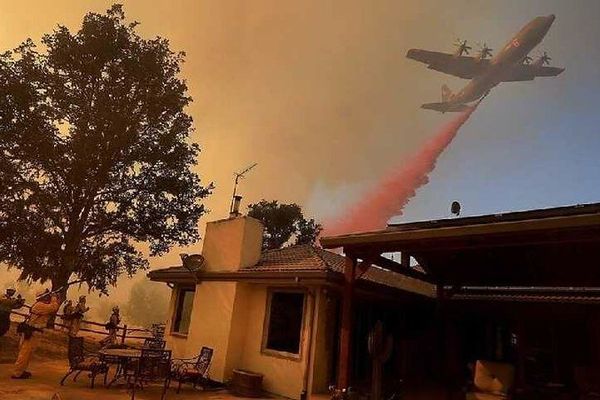
wildfire retardants being sprayed by plane

New evidence links heavy metal pollution with wildfire retardants

“The chemical black box” that blankets wildfire-impacted areas is increasingly under scrutiny.

Stay informed: sign up for The Daily Climate newsletter
Top news on climate impacts, solutions, politics, drivers. Delivered to your inbox week days.