Natural farming's rise in India amid climate change

In the face of worsening weather conditions, farmers in Andhra Pradesh, India, are turning to natural farming methods to bolster crop resilience.

Shawn Sebastian and Sibi Arasu report for The Associated Press.


In short:

  • Natural farming in Andhra Pradesh uses organic materials as fertilizers and pesticides, enhancing soil water retention and crop robustness against extreme weather.
  • The practice, buoyed by state support, contrasts with the prevalent use of chemical inputs, spotlighting the need for wider adoption and governmental backing.
  • Despite challenges, success stories from the region, like Ratna Raju's farm surviving Cyclone Michaung unscathed, highlight the tangible benefits of shifting towards natural methods.

Key quote:

“I incurred huge losses. For the next planting season, I plan to use natural farming methods too.”

— Srikanth Kanapala, farmer

Why this matters:

In India, where agriculture is not just an economic activity but the backbone of rural life, the increasing unpredictability of weather patterns—ranging from delayed monsoons to unseasonal rains and extreme heatwaves—poses a severe threat to livelihoods and food security.

Industrial agriculture is a dead end. Agroecology is the only way to ensure that all people have access to sufficient, healthful food.


Climate Change Protesters gather in Westminster, central London near the British Parliament as part of a global day of protest.
Credit: Ben Gingell/BigStock Photo ID: 323409007

Climate change rarely goes on trial. This one could be a landmark

Fifteen young Canadians say their government’s failure to curb emissions violates their constitutional right to life, liberty, and security.
Electric vehicle robotic assembley line

Electric vehicle tax credits losing their luster for Democrats

President Donald Trump’s attacks on Biden-era electric vehicle policy is hampering Democrats’ ambitions to bring back buyer incentives.

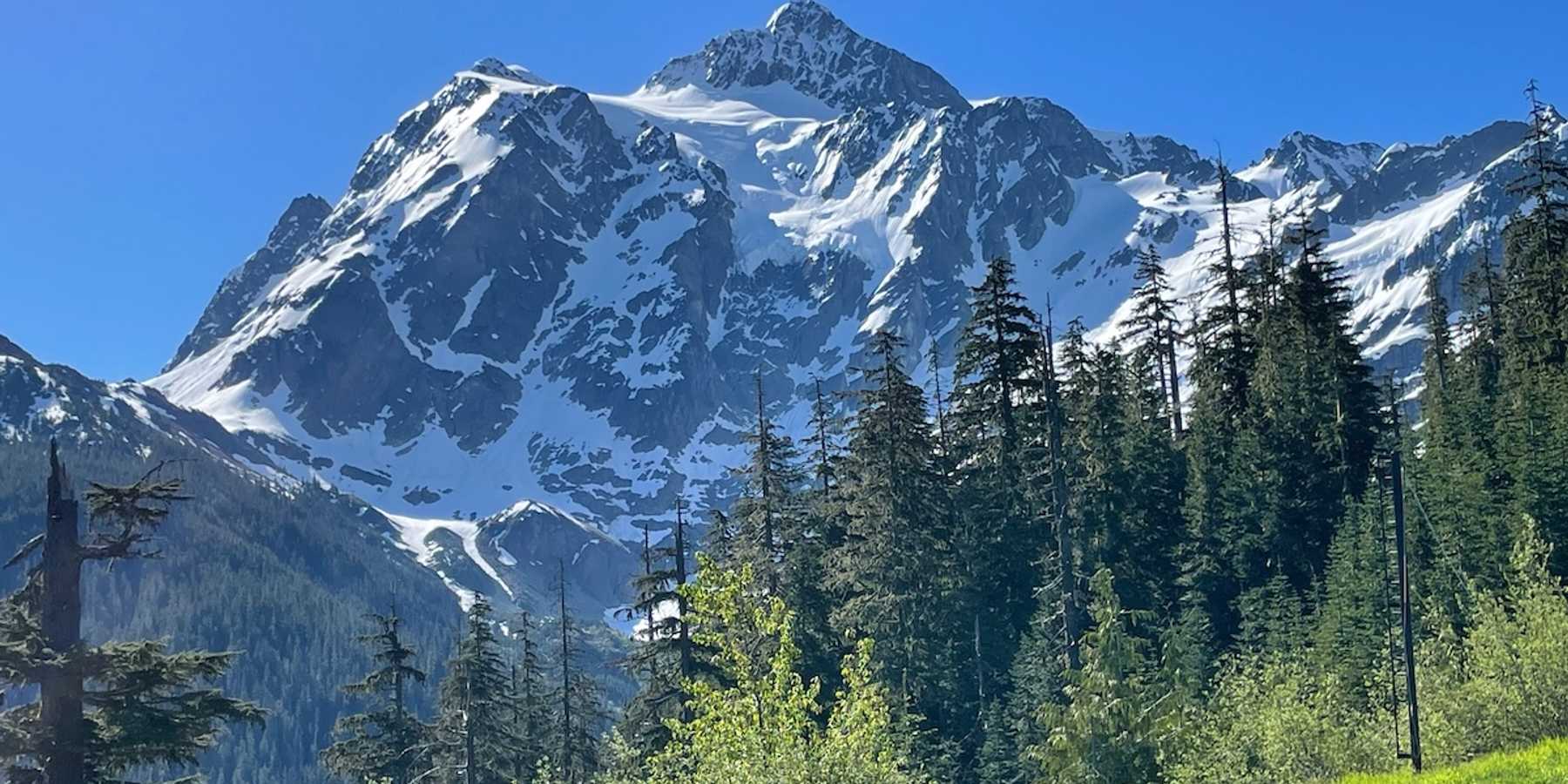
Mt Shuksan, North Cascades, Washington State
Credit: Jim Germond

The US west has lost nearly 300 glaciers since the 1960s. Climate crisis is drastically shrinking what’s left

At the midpoint of the last century the region had 1,450 glaciers and a new study reveals the extent of losses.

A computer screenshot shows details of United States Environmental Protection Agency main page on its web site.
Credit: g0d4ather/BigStock Photo ID: 169956263

The EPA Is quietly killing its web archive

Tens of thousands of documents on contamination, clean power, and Trump's climate deletions are now scheduled to disappear.
A view of forested mountains

In northeastern North America, alpine zones are turning green

Using satellite data, scientists have detected where once-stable alpine ecosystems are transforming into greener, shrubbier places.
A group of Bangladeshi women dressed in traditional garb

Bangladesh’s climate migrants are arriving in cities unprepared to protect them

Disasters displaced 2.4 million people within Bangladesh in 2024, as the International Monetary Fund predicts that rising seas could eliminate more than one-seventh of Bangladesh’s land area and nearly one-third of its food production by 2050.

A table with types of food including eggs, butter and fruit

Which protein is best for the planet and your health?

A new rating system combines a “planet score” and a “people score” to see past confusing eco-labels. Tofu came out on top, and steak and cheese at the bottom.
From our Newsroom
Multiple Houston-area oil and gas facilities that have violated pollution laws are seeking permit renewals

Multiple Houston-area oil and gas facilities that have violated pollution laws are seeking permit renewals

One facility has emitted cancer-causing chemicals into waterways at levels up to 520% higher than legal limits.

Regulators are underestimating health impacts from air pollution: Study

Regulators are underestimating health impacts from air pollution: Study

"The reality is, we are not exposed to one chemical at a time.”

Pennsylvania governor Josh Shapiro speaks with the state flag and American flag behind him.

Two years into his term, has Gov. Shapiro kept his promises to regulate Pennsylvania’s fracking industry?

A new report assesses the administration’s progress and makes new recommendations

silhouette of people holding hands by a lake at sunset

An open letter from EPA staff to the American public

“We cannot stand by and allow this to happen. We need to hold this administration accountable.”

wildfire retardants being sprayed by plane

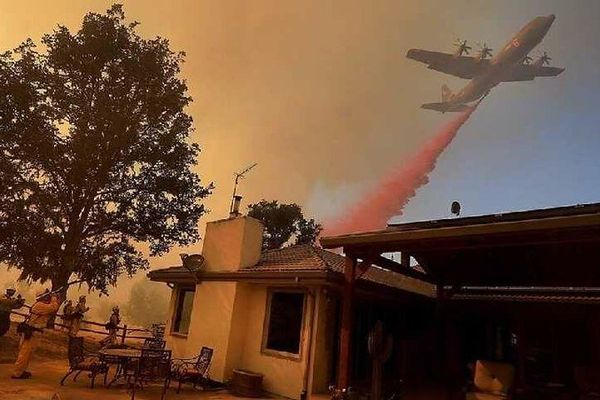
New evidence links heavy metal pollution with wildfire retardants

“The chemical black box” that blankets wildfire-impacted areas is increasingly under scrutiny.

Stay informed: sign up for The Daily Climate newsletter
Top news on climate impacts, solutions, politics, drivers. Delivered to your inbox week days.