Nevada encourages farmers to sell water rights to address groundwater depletion

Nevada's driest areas are testing a new program where farmers sell their water rights to reduce groundwater overuse and protect future agricultural prospects.

Anna Phillips reports for The Washington Post.


In short:

  • Nevada's pilot program, funded with $25 million in federal aid, aims to purchase water rights from farmers to prevent aquifer depletion.
  • The program received significant interest, with offers exceeding available funds, primarily from Diamond Valley farmers.
  • Some farmers see selling water rights as a necessary adjustment, while others, especially older ones nearing retirement, find it a beneficial financial decision.

Key quote:

“We knew a lot of people moved to Nevada to farm, but we didn’t really think that many people would be successful or use their full allocations. They didn’t have the scientific understanding we do today.”

— Jeff Fontaine, the executive director of the Central Nevada Regional Water Authority

Why this matters:

Reducing groundwater use is vital for the sustainability of farming in Nevada's dry regions. Without these measures, over-pumping could lead to severe water shortages, threatening the future of agriculture and local communities.

Related EHN coverage:

Piles of coal in open railroad cars

As feds suggest easing coal ash clean up regulations, Virginia maintains stringent standards

The Trump administration recently renewed its push to ease clean up requirements for the toxic ash that is leftover from burning coal.

A man and woman in a grocery store looking at produce

The Green New Deal has evolved. Now it's all about 'affordability'

A new "working class climate agenda" seeks to provide economic relief and tackle global warming at the same time.
A grey metal industrial building surrounded by fencing

Why cloud computing still runs on coal and gas

As the data center sector swells, much of the electricity demand is being met by polluting fossil fuels.

A small harbor with older fishing boats at a dock

Warming waters in the Gulf of Maine may affect the future of lobsters

Researchers studying the crustacean’s early life cycles find clues that can help the fishery that depends on them plan for a warmer future.

Solar panels with wind turbines in the background

AI trained on 13,000 virtual worlds predicts renewable energy future

A new, AI-powered model beat the International Energy Agency's forecasts — and it says 2°C is still on the table.

A view of a house roof that is partially burned

Test fires help scientists protect homes from climate change fueled fires

At a site in South Carolina, researchers burn down test houses to learn how different materials and designs can withstand flames.

The front steps of the Supreme Court of the US

Leaked memos show Supreme Court ignored climate dangers in Obama regs fight

Conservative justices focused on industry costs when blocking the Clean Power Plan, the first climate rule proposed for the power sector.
From our Newsroom
Multiple Houston-area oil and gas facilities that have violated pollution laws are seeking permit renewals

Multiple Houston-area oil and gas facilities that have violated pollution laws are seeking permit renewals

One facility has emitted cancer-causing chemicals into waterways at levels up to 520% higher than legal limits.

Regulators are underestimating health impacts from air pollution: Study

Regulators are underestimating health impacts from air pollution: Study

"The reality is, we are not exposed to one chemical at a time.”

Pennsylvania governor Josh Shapiro speaks with the state flag and American flag behind him.

Two years into his term, has Gov. Shapiro kept his promises to regulate Pennsylvania’s fracking industry?

A new report assesses the administration’s progress and makes new recommendations

silhouette of people holding hands by a lake at sunset

An open letter from EPA staff to the American public

“We cannot stand by and allow this to happen. We need to hold this administration accountable.”

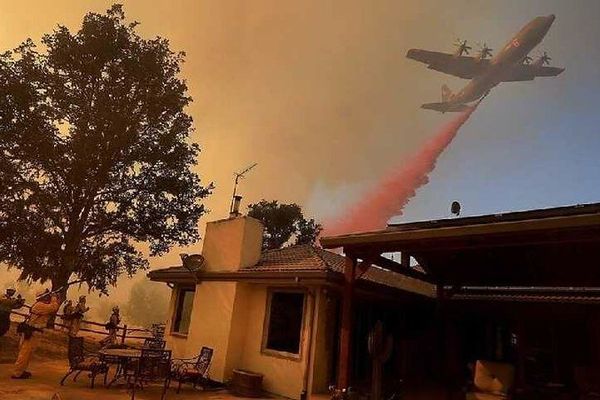
wildfire retardants being sprayed by plane

New evidence links heavy metal pollution with wildfire retardants

“The chemical black box” that blankets wildfire-impacted areas is increasingly under scrutiny.

Stay informed: sign up for The Daily Climate newsletter
Top news on climate impacts, solutions, politics, drivers. Delivered to your inbox week days.