New map reveals nearly half of the US faces landslide risk

Government scientists have released new data showing that 44% of the U.S. is at risk of experiencing landslides, with some areas particularly vulnerable.

Austyn Gaffney reports for The New York Times.


In short:

  • A new interactive map from the U.S. Geological Survey identifies nearly 44% of the U.S. as susceptible to landslides.
  • High-risk areas include Appalachia, the Rocky Mountains, the California coast, southeast Alaska and Puerto Rico, where more than 90% of the territory is at risk.
  • Landslides are often triggered by heavy rain and human development, with climate change increasing the likelihood of intense rainfall events.

Key quote:

“The best protection is knowledge. Knowing what a landslide is and how it might impact you is the best first step toward preparation.”

— Benjamin Mirus, research geologist with the United States Geological Survey

Why this matters:

Landslides pose a significant hazard, especially as climate change increases extreme rainfall, which is a primary trigger. Understanding landslide risks helps communities prepare and reduce the potential for devastating loss of life and property.

Related coverage: California's Highway 1 faces increasing threats
A person kicking a soccer ball into a goal

The 2026 men’s World Cup could be the dirtiest ever

The sprawling North American tournament could generate 9 million metric tons of climate-warming pollution, a report found.
A row of wind turbines on dry hills

Wyoming electric utility dumps wind and solar in long-term planning

PacifiCorp’s previous upward trajectory for renewable energy will flatline beyond 2027 while its forecasted greenhouse emissions will rise.

A red, white and green Hungarian flag waving in the wind

Hungary election promises renewable energy investment and foreign factory crackdowns

Orbán, who once described EU climate ambitions as a 'utopian fantasy', has been replaced by Péter Magyar.
A wind turbine towering over a forest

Blowin’ in the wind: how Nordic countries made electricity free

As wind and hydropower flood Nordic grids, electricity prices are plunging and offering a glimpse of a cheaper energy future.
A person sitting in front of a woodstove

Does burning wood actually fight climate change?

Despite industry claims, scientists say using wood pellets is little better than fossil fuels.
A view of a large petrochemical plant with the sunset in the background

Iran war exposes dependence on petrochemicals

Disruptions from the Iran war are exposing how deeply petrochemicals — made from fossil fuels — are embedded in everyday products and global supply chains.

A group of health professionals reviewing a case file

Patients overwhelmingly favor environmentally sustainable healthcare, survey finds

A survey of more than 5,000 patients found strong support for environmentally responsible practices in healthcare, with most respondents linking environmental health to their own well-being.

From our Newsroom
Multiple Houston-area oil and gas facilities that have violated pollution laws are seeking permit renewals

Multiple Houston-area oil and gas facilities that have violated pollution laws are seeking permit renewals

One facility has emitted cancer-causing chemicals into waterways at levels up to 520% higher than legal limits.

Regulators are underestimating health impacts from air pollution: Study

Regulators are underestimating health impacts from air pollution: Study

"The reality is, we are not exposed to one chemical at a time.”

Pennsylvania governor Josh Shapiro speaks with the state flag and American flag behind him.

Two years into his term, has Gov. Shapiro kept his promises to regulate Pennsylvania’s fracking industry?

A new report assesses the administration’s progress and makes new recommendations

silhouette of people holding hands by a lake at sunset

An open letter from EPA staff to the American public

“We cannot stand by and allow this to happen. We need to hold this administration accountable.”

wildfire retardants being sprayed by plane

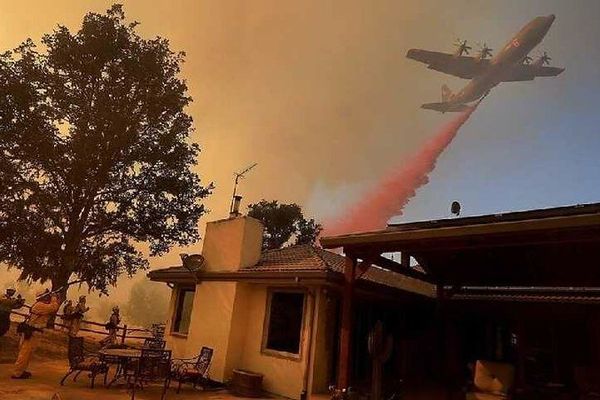
New evidence links heavy metal pollution with wildfire retardants

“The chemical black box” that blankets wildfire-impacted areas is increasingly under scrutiny.

Stay informed: sign up for The Daily Climate newsletter
Top news on climate impacts, solutions, politics, drivers. Delivered to your inbox week days.