New York's congestion pricing delay highlights American transportation challenges

New York City's plan to implement congestion pricing, a strategy to reduce traffic and fund public transit, remains stalled years after approval.

Sarah Laskow reports for The Atlantic.


In short:

  • New York City approved congestion pricing five years ago to curb traffic and lower emissions in Manhattan.
  • The plan aimed to charge vehicles entering Manhattan's central business district to discourage unnecessary driving.
  • Despite potential environmental and traffic benefits, the plan has faced significant delays and has not yet been implemented.

Why this matters:

Congestion pricing could significantly reduce traffic and pollution in densely populated areas, offering a model for other cities. Each year of delay means more cars on the road, more emissions, and missed opportunities to make significant strides toward a greener, more efficient transportation system.


An anesthesiologist placing a cup on a patient's mouth

Cutting the climate impact of anesthetic gases across Loma Linda University Health

Hospital systems are reducing greenhouse gas emissions, improving operational efficiency, and strengthening our commitment to environmental stewardship.

Doctors discussing chest xrays

How letting radiologists work remotely can help save the planet

Teleradiology can drastically reduce greenhouse gas emissions, at roughly 63% when compared to if all impacted individuals needed to travel into work every day, one academic institution estimates.  
Offshore wind turbines with a fishing boat and birds flying in the foreground.

Judge hands Trump a fifth loss in his effort to halt offshore wind projects

The court ruled that construction can restart on a wind farm off the coast of New York State. The Trump administration had ordered work to stop in December.
The White House illuminated at night.

Trump unveils $12B mineral stockpile amid US-China race

The White House announced “Project Vault” as officials from at least 40 countries head to Washington to discuss a minerals market to counter Beijing.
a man sitting on the shore of a beach next to a boat.

Mexico’s push for US natural gas sparks community opposition and threatens its climate pledges

Mexico is already the world's single largest buyer of U.S. natural gas. But it's building infrastructure that will bring in even more.
A view of the Columbia River in eastern Washington

Feds greenlight $2B renewable energy project on Yakama Nation sacred site

The site of a planned $2 billion renewable energy project is used for ceremonies as well as treaty-reserved fishing and root gathering for the Yakama Nation.

a close up of front of a heavy duty white truck with its lights on.

Trump administration plans to roll back mileage standards for heavy pickup trucks and vans

In the letter, National Highway Traffic Safety Administration (NHTSA) Administrator Jonathan Morrison said the administration would propose to roll back the standards, which were tightened under the Biden administration.

From our Newsroom
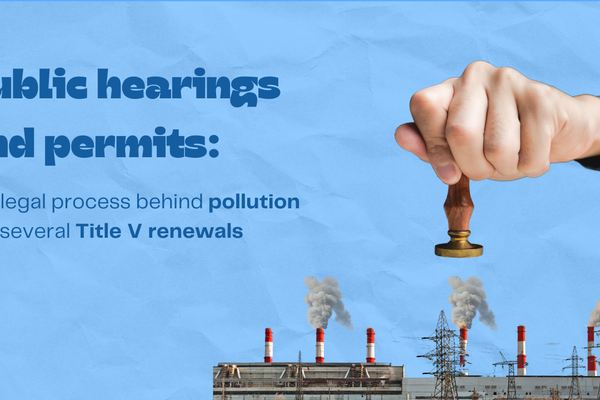
Multiple Houston-area oil and gas facilities that have violated pollution laws are seeking permit renewals

Multiple Houston-area oil and gas facilities that have violated pollution laws are seeking permit renewals

One facility has emitted cancer-causing chemicals into waterways at levels up to 520% higher than legal limits.

Regulators are underestimating health impacts from air pollution: Study

Regulators are underestimating health impacts from air pollution: Study

"The reality is, we are not exposed to one chemical at a time.”

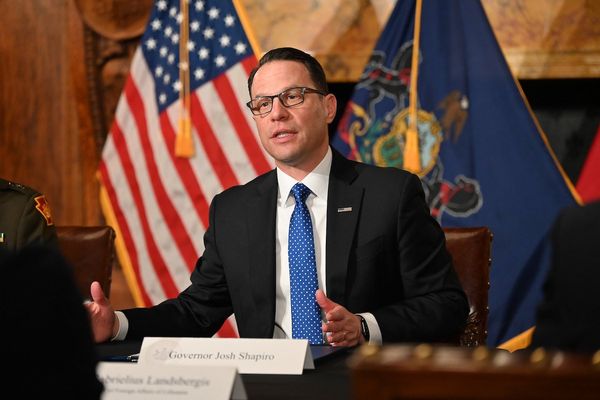
Pennsylvania governor Josh Shapiro speaks with the state flag and American flag behind him.

Two years into his term, has Gov. Shapiro kept his promises to regulate Pennsylvania’s fracking industry?

A new report assesses the administration’s progress and makes new recommendations

silhouette of people holding hands by a lake at sunset

An open letter from EPA staff to the American public

“We cannot stand by and allow this to happen. We need to hold this administration accountable.”

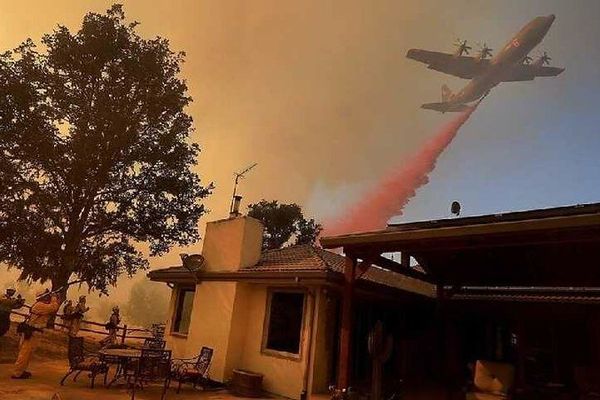
wildfire retardants being sprayed by plane

New evidence links heavy metal pollution with wildfire retardants

“The chemical black box” that blankets wildfire-impacted areas is increasingly under scrutiny.

Stay informed: sign up for The Daily Climate newsletter
Top news on climate impacts, solutions, politics, drivers. Delivered to your inbox week days.