Nonprofits still blocked from $20 billion in climate funds amid investigations

Nonprofits expecting $20 billion in federal climate funding remain unable to access their accounts after the Trump administration launched investigations, despite a prosecutor’s determination that there was no evidence of wrongdoing.

Lisa Friedman, Claire Brown, and Charlie Savage report for The New York Times.


In short:

  • The Environmental Protection Agency (EPA) and federal investigators froze bank accounts holding $20 billion designated for climate initiatives, citing concerns over potential fraud.
  • Citibank, which manages the funds, acted under federal direction but stated it has no discretion over grant distribution; no evidence has been presented to justify a criminal probe.
  • The funding freeze has left climate nonprofits struggling to meet payroll and could jeopardize projects aimed at reducing fossil fuel emissions, particularly in low-income communities.

Key quote:

“These relationships take many months to build and are in jeopardy if funding freezes continue.”

— Brooke Durham, Climate United spokesperson

Why this matters:

The blocked funds were part of the Inflation Reduction Act’s Greenhouse Gas Reduction Fund, intended to support clean energy projects nationwide. Many of these initiatives focus on underserved communities, aiming to cut pollution and expand renewable energy. The Trump administration’s efforts to halt the disbursement — without clear evidence of misconduct — raise concerns about political interference in climate policy and overstepping of presidential authority. A prolonged freeze could disrupt crucial emissions reduction projects and undermine trust in federally backed green financing.

Read more: EPA seeks probe into management of $20 billion climate fund

An aerial view of a flooded town

The floods of the future won't come one at a time

A dangerous collision of storm surge, torrential rain, and sea level rise threatens to overwhelm communities from Texas to Maine.
A group of teenage girls eating burgers and pizza

Which age group has the most climate-intensive diet?

A 20-year study of diets in 149 countries finds that teenagers have the heaviest individual carbon footprints from food, even as aging populations drive the largest overall increase in emissions.
A man in a kayak paddling in turquoise waters

Youth activists in the Maldives take on climate change and other threats

A new wave of young activists in the Maldives is tackling issues like coastal erosion and plastic pollution in the Indian Ocean island nation.
A person plugging an EV into a car charger

Your gas car works fine. Consider an EV anyway, scientists say

New research suggest that swapping your internal combustion engine for an EV is almost always the greener choice.
A Black man sitting at the hospital bedside of his son

Heat-related illnesses on rise in New Mexico amid record-high temperatures

Already this summer, 770 New Mexicans have visited statewide emergency rooms for heat-related illnesses. That’s more than all of last summer.
Manufacturing plant with smoke rising from towers

How has climate change reshaped drought in the West Midlands?

The origins of the "flash drought" and how things compare to the conditions of 1976.
From our Newsroom
Multiple Houston-area oil and gas facilities that have violated pollution laws are seeking permit renewals

Multiple Houston-area oil and gas facilities that have violated pollution laws are seeking permit renewals

One facility has emitted cancer-causing chemicals into waterways at levels up to 520% higher than legal limits.

Regulators are underestimating health impacts from air pollution: Study

Regulators are underestimating health impacts from air pollution: Study

"The reality is, we are not exposed to one chemical at a time.”

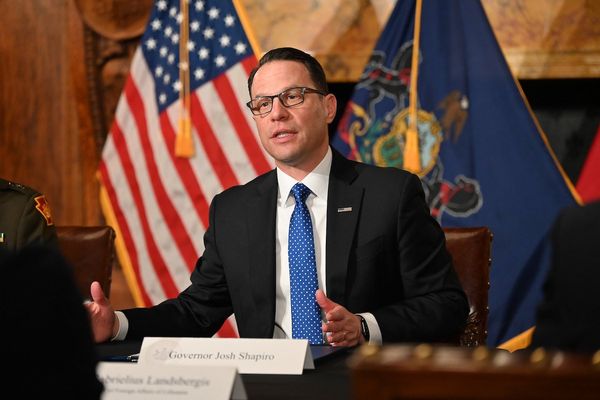
Pennsylvania governor Josh Shapiro speaks with the state flag and American flag behind him.

Two years into his term, has Gov. Shapiro kept his promises to regulate Pennsylvania’s fracking industry?

A new report assesses the administration’s progress and makes new recommendations

silhouette of people holding hands by a lake at sunset

An open letter from EPA staff to the American public

“We cannot stand by and allow this to happen. We need to hold this administration accountable.”

wildfire retardants being sprayed by plane

New evidence links heavy metal pollution with wildfire retardants

“The chemical black box” that blankets wildfire-impacted areas is increasingly under scrutiny.

Stay informed: sign up for The Daily Climate newsletter
Top news on climate impacts, solutions, politics, drivers. Delivered to your inbox week days.