Paris plans to swap cars for trees in a bold climate push

By 2030, Paris aims to remove 60,000 parking spaces, replacing them with trees and green spaces to combat urban heat and reduce car dependence.

Feargus O'Sullivan reports for Bloomberg.


In short:

  • Paris’ new 2024-2030 Climate Plan proposes creating 300 hectares of green space, including tree-lined streets and “oasis squares” in all 20 arrondissements.
  • The plan addresses extreme heat with cooling centers, reflective roofs on public buildings and adjusted work schedules for outdoor laborers.
  • Traffic measures include converting lanes for public transit, carpooling and lowering speed limits, while expanding pedestrian-friendly zones across the city.

Key quote:

“This plan promises to deliver a city that’s greener, more resilient against extreme weather, more pedestrian-friendly — and freer of cars."

— Feargus O'Sullivan, Bloomberg

Why this matters:

Paris’ ambitious efforts tackle two major urban challenges: extreme heat and pollution. By prioritizing green spaces and reducing car reliance, Paris is planting the seeds of a future where cities don’t just survive climate chaos—they thrive. It’s the kind of green revolution the planet’s overheated cities are desperate to replicate. Read more: How youth can battle extreme heat in their communities.

A hummingbird lands on a flower

Toxic chemicals and climate change work together to harm fertility across species

In a recent review published in NPJ Emerging Contaminants, researchers examine how toxic chemicals can reduce fertility in both humans and wildlife, and how these effects are worsened by climate change.


In short:

  • Animals - including insects, fish, reptiles, birds, humans, and other mammals - are constantly simultaneously exposed to synthetic chemicals and the impacts of climate change, including rising temperatures.
  • Both of these stressors can harm fertility, and many of the impacts found are similar across species, such as effects on sperm and eggs.
  • The stress caused by these exposures also impacts overall health, harming animals’ ability to adapt to a changing environment and worsening global biodiversity loss.


Key quote:

“To build a sustainable future, we must recognize that chemicals, once released, don’t simply disappear. Instead, they contribute to the larger issue of driving humanity towards the exceedance of planetary boundaries when considered in combination with climate change and other planetary-level impacts.”


Why this matters:

While climate change and toxic endocrine disrupting chemicals (EDCs) are both individually well-established as health threats, few studies have examined the implications of the widespread simultaneous exposure experienced by humans and wildlife. Many EDCs can also impact health across multiple generations, meaning their harm continues long after the original exposure. To better tackle the issue of EDCs, the authors of this study emphasize the need for strong regulations that address chemicals by class, rather than individually.


Related EHN coverage:


More resources:


Brander, S. et al. (2026). Impacts of environmental stressors on fertility and fecundity across taxa, with implications for planetary health. NPJ Emerging Contaminants.

Solar panels juxtaposed against transmission lines and wind turbines
Credit: kckate16/ BigStock Photo ID: 478351339

Hope is contagious and science is king: 10 big lessons on ending the fossil fuel era

At world-first Santa Marta climate meeting, delegates say it was ‘euphoric’ to finally be focusing on concrete solutions.

The home page of the U.S. Securities and Exchange Commission

The SEC tried to silence activist investors. Now they're fighting back

After SEC limited EDGAR access, activists launched Proxy Open Exchange to share corporate accountability concerns, including climate issues.

A gas pipeline stretching across a desert landscape

With promises of money, controversial gas pipeline on Navajo Nation passes first hurdle

A 234-mile stretch of pipeline that could carry natural gas or natural gas-hydrogen blends across the Navajo Nation is a step closer to reality.

A row of oil and gas pump jacks against a sunset

Congress once shielded gun makers. Now it’s fossil fuel companies’ turn

Republican lawmakers have introduced a bill that would block current and future lawsuits seeking to hold fossil fuel companies accountable for climate damages.

Pumpjacks extract oil from an oilfield in Kern County, CA. using hydraulic fracturing.
Credit: Christopher Halloran/BigStock Photo ID: 59467733

Western lawmakers move to weaken Clean Air Act and shield fossil fuel companies from climate lawsuits

Members of Congress in Wyoming and Texas tout the bills as protecting energy security, but opponents say they amount to a corporate handout that will cost taxpayers billions and harm human and environmental health.
Insurance policy with magnifying glass, miniature auto, and hundred-dollar bill

States are demanding property insurance records to study climate change

An unprecedented nationwide data collection will show where storms and wildfires are causing large insurer losses and rate hikes.
From our Newsroom
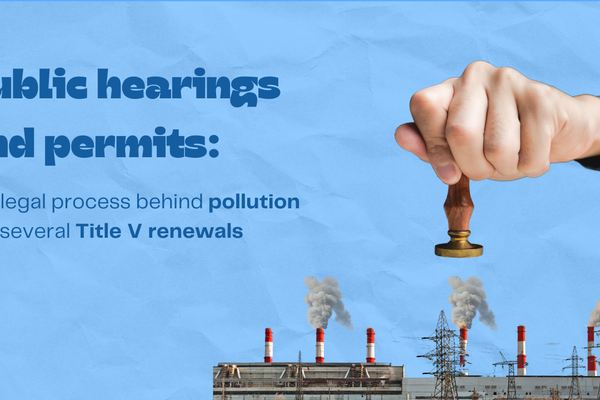
Multiple Houston-area oil and gas facilities that have violated pollution laws are seeking permit renewals

Multiple Houston-area oil and gas facilities that have violated pollution laws are seeking permit renewals

One facility has emitted cancer-causing chemicals into waterways at levels up to 520% higher than legal limits.

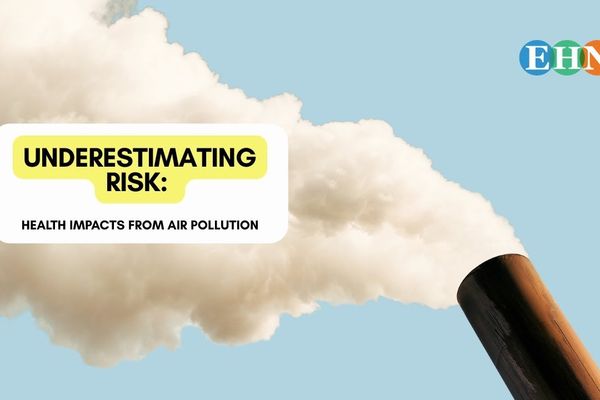
Regulators are underestimating health impacts from air pollution: Study

Regulators are underestimating health impacts from air pollution: Study

"The reality is, we are not exposed to one chemical at a time.”

Pennsylvania governor Josh Shapiro speaks with the state flag and American flag behind him.

Two years into his term, has Gov. Shapiro kept his promises to regulate Pennsylvania’s fracking industry?

A new report assesses the administration’s progress and makes new recommendations

silhouette of people holding hands by a lake at sunset

An open letter from EPA staff to the American public

“We cannot stand by and allow this to happen. We need to hold this administration accountable.”

wildfire retardants being sprayed by plane

New evidence links heavy metal pollution with wildfire retardants

“The chemical black box” that blankets wildfire-impacted areas is increasingly under scrutiny.

Stay informed: sign up for The Daily Climate newsletter
Top news on climate impacts, solutions, politics, drivers. Delivered to your inbox week days.