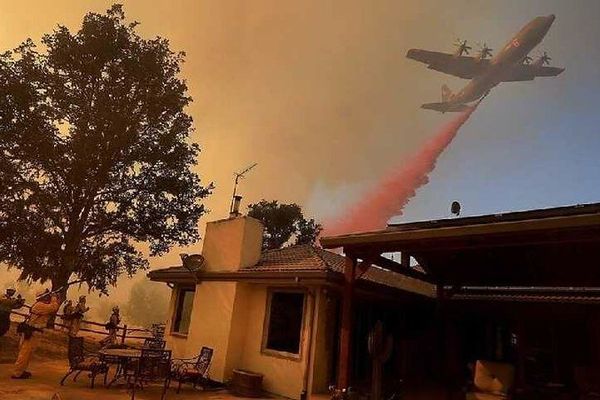
People should take wildfire smoke more seriously

Research shows wildfire smoke is a major health hazard, but many Americans continue to disregard the risks.

Zoë Schlanger reports for The Atlantic.


In short:

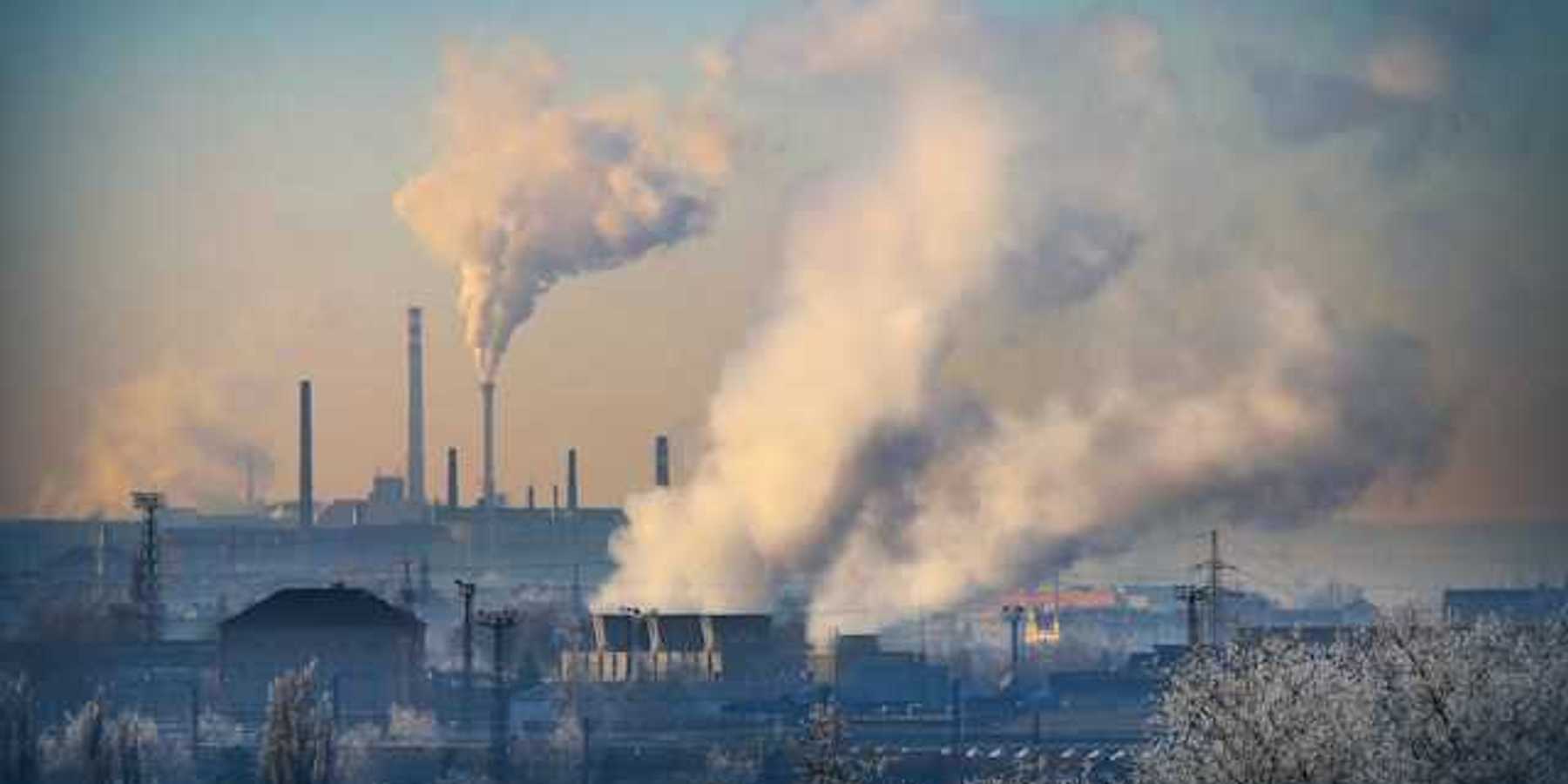
  • Wildfire smoke contains tiny particles that pose serious health risks and kill thousands annually.
  • Recent studies show almost all of North America has experienced smoke coverage at some point in recent years.
  • Despite the dangers, public awareness and protective actions, such as mask-wearing, remain insufficient.

Key quote:

“There’s a lot of chemicals in that. There’s all sorts of things in the pollution that you might not see in other sources of PM2.5. We’re still unclear on what that means for health.”

— Marissa Childs, an environmental-health researcher at the Harvard T. H. Chan School of Public Health

Why this matters:

Research indicates that wildfire smoke contains a hazardous mix of particulate matter, gases, and chemicals that can penetrate deep into the lungs and bloodstream. These tiny particles, known as PM2.5, are particularly concerning due to their ability to trigger respiratory and cardiovascular problems. For vulnerable populations—children, the elderly, and those with pre-existing conditions like asthma or heart disease—the risks are even higher.

Related EHN coverage:

A bucket full of oysters in water

As the weather warms, so can challenges for North Carolina's shellfish farmers

North Carolina shellfish farmers face numerous challenges including diseases, pollution, and climate change impacts.

A firefighter training a water hose on a wildfire

As property insurance crisis worsens, some lawmakers target Big Oil

Some state lawmakers are opening up a new line of attack in the effort to force oil companies to bear the cost of climate change effects.

A worker installing solar panels on a roof

French and African leaders announce $11 billion in renewable energy for Africa

Leaders said the investments could help expand electricity access while positioning Africa as a major player in the global clean energy transition.

A closeup of a tick on a green leaf

As tick bites surge, conspiracy theories follow

Where experts see climate change, others see the designs of a global cabal.
A row of solar panels in the foreground with wind turbines in the background

China goes electric, but can it get off coal?

The world's clean energy superpower also emits the most CO2. But coal-fired power may have peaked as China electrifies its economy with ever more renewables.
A man pulling out his pants pockets to show that they're empty

Trump has created a climate opportunity

The American people have been led astray about what climate change means for their pocketbooks.
An illustration of a house with geothermal energy leading to a heat pump

Wall Street is betting big on clean energy tech

Fervo Energy's IPO could raise $1.8 billion in one of the largest renewable energy public offerings ever, signaling growing investor confidence in clean energy.

From our Newsroom
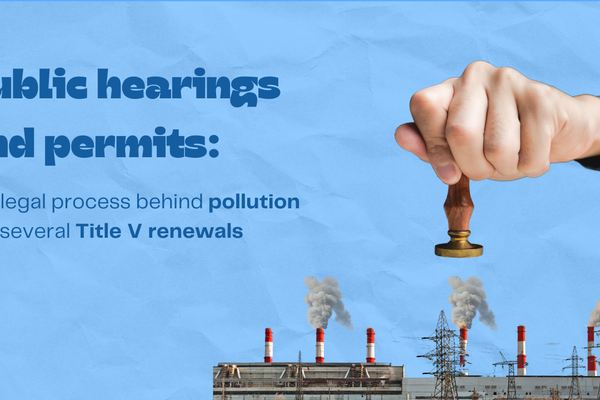
Multiple Houston-area oil and gas facilities that have violated pollution laws are seeking permit renewals

Multiple Houston-area oil and gas facilities that have violated pollution laws are seeking permit renewals

One facility has emitted cancer-causing chemicals into waterways at levels up to 520% higher than legal limits.

Regulators are underestimating health impacts from air pollution: Study

Regulators are underestimating health impacts from air pollution: Study

"The reality is, we are not exposed to one chemical at a time.”

Pennsylvania governor Josh Shapiro speaks with the state flag and American flag behind him.

Two years into his term, has Gov. Shapiro kept his promises to regulate Pennsylvania’s fracking industry?

A new report assesses the administration’s progress and makes new recommendations

silhouette of people holding hands by a lake at sunset

An open letter from EPA staff to the American public

“We cannot stand by and allow this to happen. We need to hold this administration accountable.”

wildfire retardants being sprayed by plane

New evidence links heavy metal pollution with wildfire retardants

“The chemical black box” that blankets wildfire-impacted areas is increasingly under scrutiny.

Stay informed: sign up for The Daily Climate newsletter
Top news on climate impacts, solutions, politics, drivers. Delivered to your inbox week days.