Only a few years ago, climate denial was on the run in world capitals.
In the U.S., the Obama Administration may have underachieved, but was still a welcome change from Vice President Dick Cheney's fossil fuel lovefest.
In Canada, Prime Minister Stephen Harper's purge of government science was ousted in favor of a pale green Justin Trudeau.
Former boxer Tony Abbott was counted out in Australia. Even the Saudi's made noise about a future without oil.
But joining Donald Trump in a stunning reversal of fortune, Australia has swung back to climate denial, and once-vocal developing nation advocates for climate action like Brazil and the Philippines have backslid as well.
All of this is happening at a time when high-level unanimity on climate is essential.
Conspiracy plots and poison
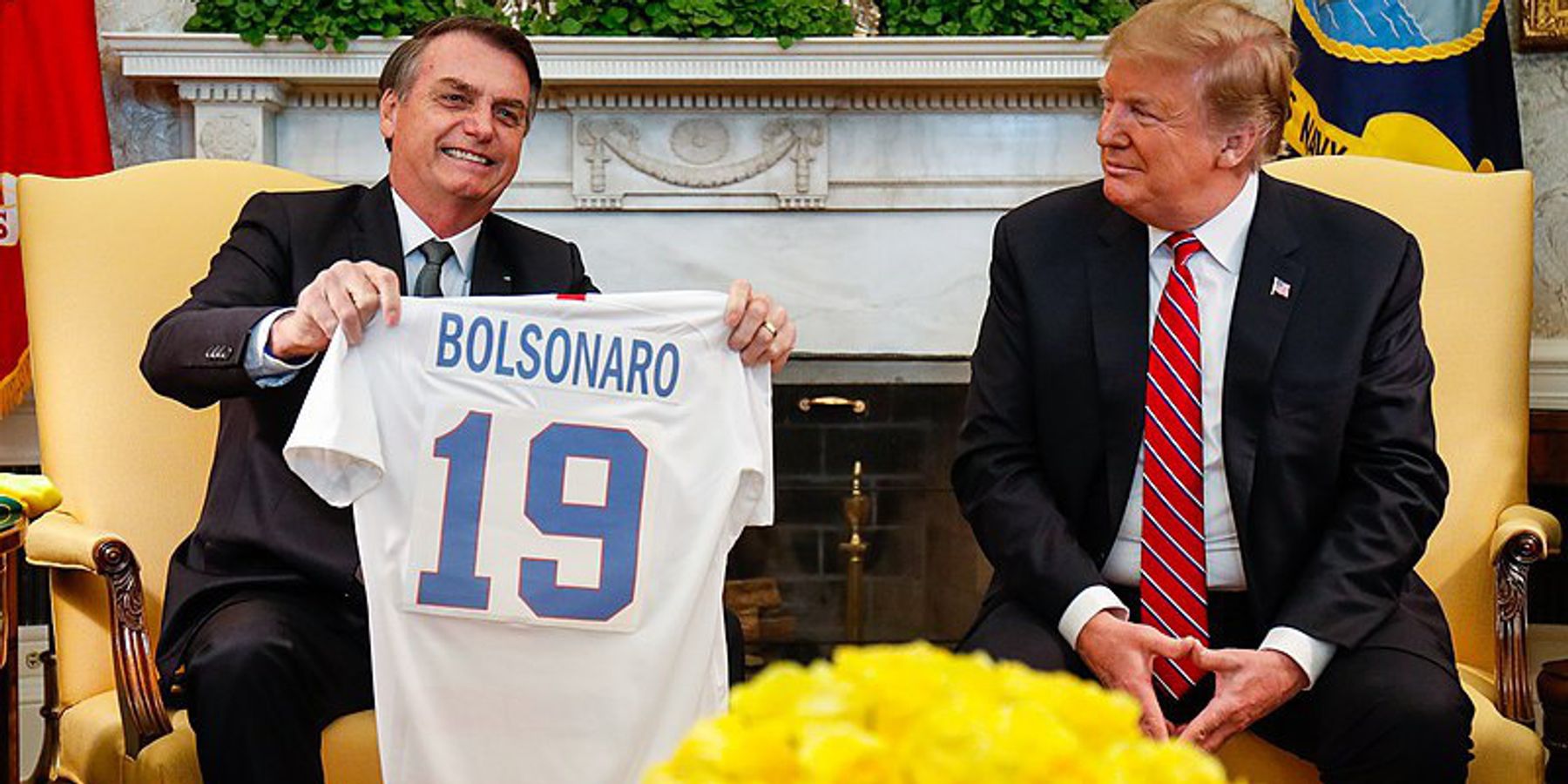
Roiled by an economic crisis and high-level corruption allegations, Brazil's electorate made an abrupt turn last year, opting for right wing populist Jair Bolsonaro. His disdain for the Paris Climate Accord was front-and-center in his winning campaign.
Bolsonaro's supporting cast has tossed rhetorical bombs at climate science.
Foreign Minister Ernesto Araújo parroted an early theme of Trump tweets, suggesting that climate scientists, environmental activists and fellow travelers were part of a plot by China to corner the world's energy markets.
Agriculture Minister Tereza Cristina is nicknamed "The Muse of Poison" for her advocacy of intensive pesticide use. Cristina is also pushing to speed the conversion of Amazon rainforest to farmland, and has made not-too-subtle threats about undermining Brazil's already beleaguered Environment Ministry.
Climate loses the "climate change election"
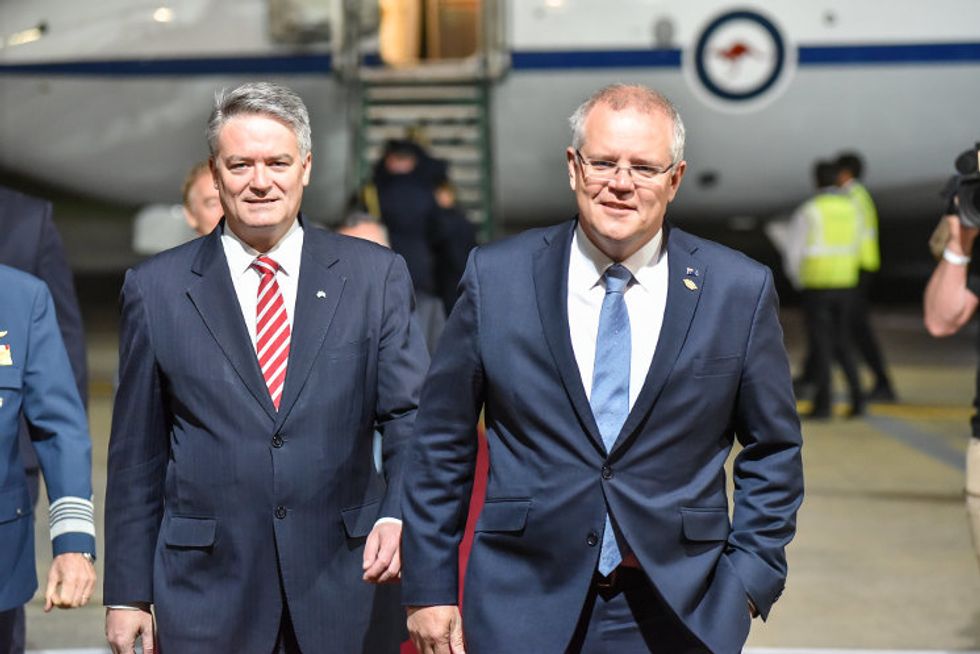
Australia Prime Minister Scott Morrison (right). (Credit: G20Australia/flickr)
Australia's new Prime Minister, Scott Morrison, rode a wave of support for the coal industry to victory as head of Australia's Liberal Party (in Australia, the "Liberal" Party is what Americans would call Conservative or Republican. I've never known how that happened.)
It was billed as "The Climate Change Election." Climate lost.
Coal is still a big deal in Australia, with huge export markets throughout Asia. Big enough, apparently, that Aussie voters saw fit to swap the imperiled Great Barrier Reef for 30 pieces of coal.
The end of May
Philippine President Rodrigo Duterte accepts that climate change is real, citing on-the-ground impacts in his country.
But he threatened to reverse Filipino involvement in the Paris Climate Accord, calling the pact "unfair" to developing nations.
Friday's resignation of British Prime Minister Theresa May leaves another question mark. May will serve until her Conservative Party chooses a successor to lead a minority government already hogtied by the Brexit decision.
Foreign Minister Boris Johnson is widely considered the leading contender. The mercurial Johnson has uttered bipolar views on climate change, at times urging the U.S. to reconsider its climate denial, while at other times quoting leading U.K. climate denier Piers Corbyn.
Back in Trump-land ...
Here in the Land of Trump, the President's embrace of "beautiful, clean coal" hasn't done much to revive the reeling industry's fortunes. On May 10, Cloud Peak Energy filed for Chapter 11 bankruptcy protection, leaving its miners in the Powder River Basin of Wyoming and Montana uncertain about their future.
This week, 75 business leaders, including some from Fortune Fifty giants like PepsiCo and Microsoft, lobbied the U.S. Senate to urge a carbon pricing scheme. Not a single Republican Senator listened.
So, in a supreme and potentially tragic irony, Trump has gone from virtually standing alone as a climate-denying head of state to leading an apparent climate collusion.
Somewhere in the mix is Russian President Putin, whose authoritarian fortunes are pinned, among other things, to natural gas exports and access to the resources of a melting Arctic.
World leaders need to not only speak, but act, as one on climate. Such an imperative is growing more difficult, not easier, in the face of a clear and present danger.