Political promises collide with a century-old grid as the Pacific Northwest struggles to build green energy

Oregon and Washington pledged to lead the country in renewable power, but a federal bottleneck and lack of investment in transmission lines have left them trailing behind Republican-led states.

Tony Schick and Monica Samayoa report for ProPublica and Oregon Public Broadcasting.


In short:

  • Since 2015, just one large renewable energy project has been approved for connection to the Northwest’s federal power grid, run by the Bonneville Power Administration.
  • Lawmakers in Oregon and Washington passed aggressive carbon-reduction mandates without ensuring the infrastructure needed to deliver new solar and wind energy existed or could be expanded.
  • Bonneville, burdened by decades-old debt and a risk-averse funding model, has been slow to upgrade its outdated transmission system, stalling more than 200,000 megawatts of proposed clean energy.

Key quote:

“We don’t have a prayer of meeting our heralded, flag-waving renewable energy goals. The dialogue will be to blame Trump; it won’t be to blame ourselves for poor planning and extremely low expectations.”

— David Brown, founder of Obsidian Renewables

Why this matters:

Without sufficient transmission capacity, even the best renewable projects — solar farms on sun-soaked plateaus or wind turbines along blustery ridges — can’t connect to homes and businesses. This creates a chokepoint that not only stalls climate action but also raises costs and increases the likelihood of blackouts. Meanwhile, the centralized control of grid access by Bonneville Power Administration, a uniquely structured federal agency with little local accountability, has made it difficult for regional leaders to intervene or invest directly. As other states, including Texas and several in the Midwest, modernize their energy systems and bring renewables online faster, the Pacific Northwest’s green ambitions risk becoming more symbolic that functional.

Related: Political shifts stall $8 billion in clean energy projects as U.S. renewables boom

Snowy owl in winter plumage flying over a non-winter landscape
Credit: Manoj Balotia/Unsplash

Species slowdown: Is nature’s ability to self-repair stalling?

When scientists recently analyzed hundreds of studies of ecosystems, they were surprised to see a marked slowing in the rate of species turnover. If new species don’t replace old ones, they say, ecosystems may have less flexibility to respond to habitat loss and climate change.
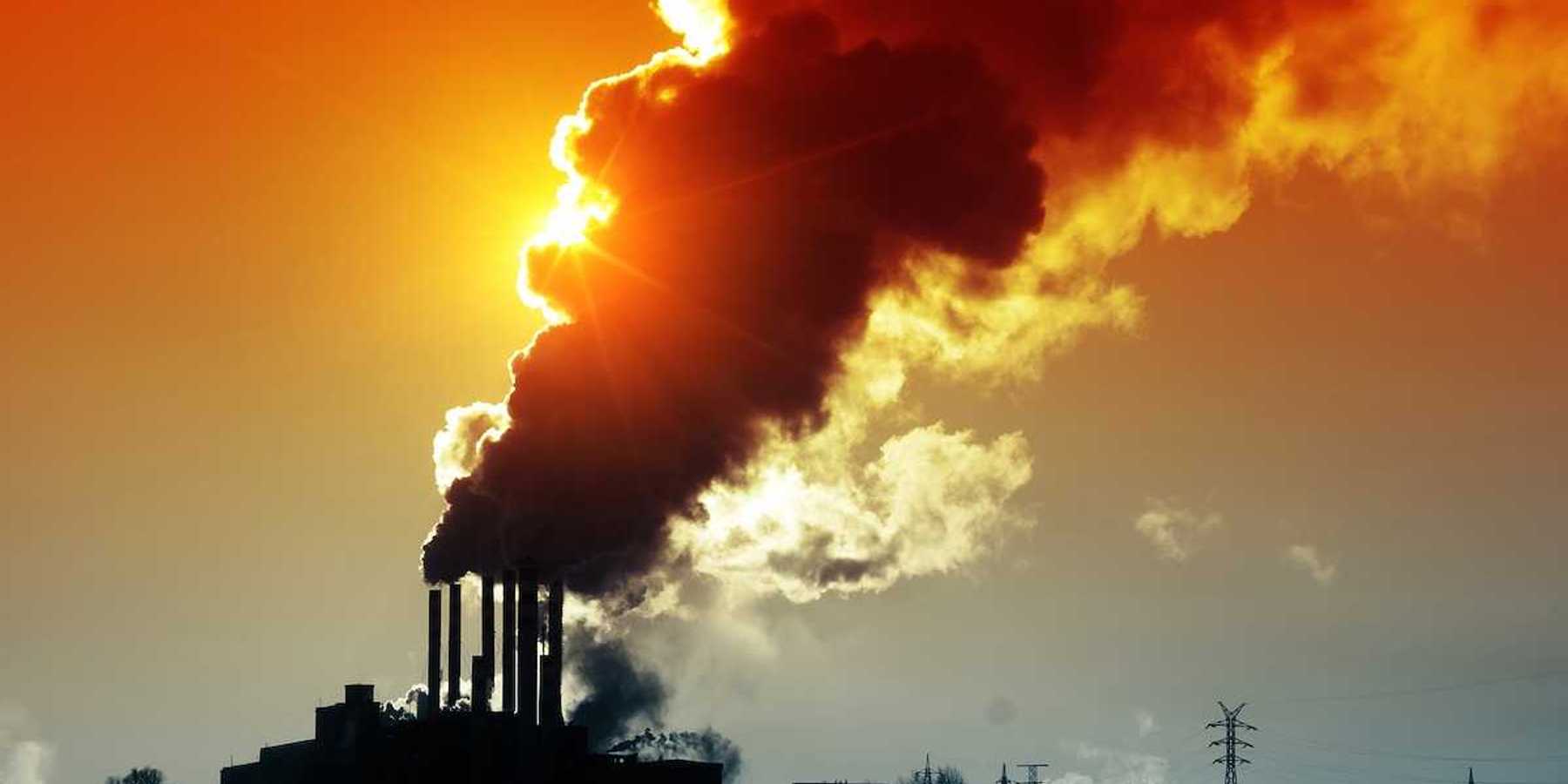
Power plant discharging smoke and dirty orange air obscuring the sun
Credit: Mikhail Dudarev/BigStock Photo ID: 14021453

Opinion: Chokehold: The Trump administration’s stealth plan to unleash poisonous air

The EPA stopped valuing the lives it could save​​, setting up a deregulatory disaster that will be hazardous to your health.
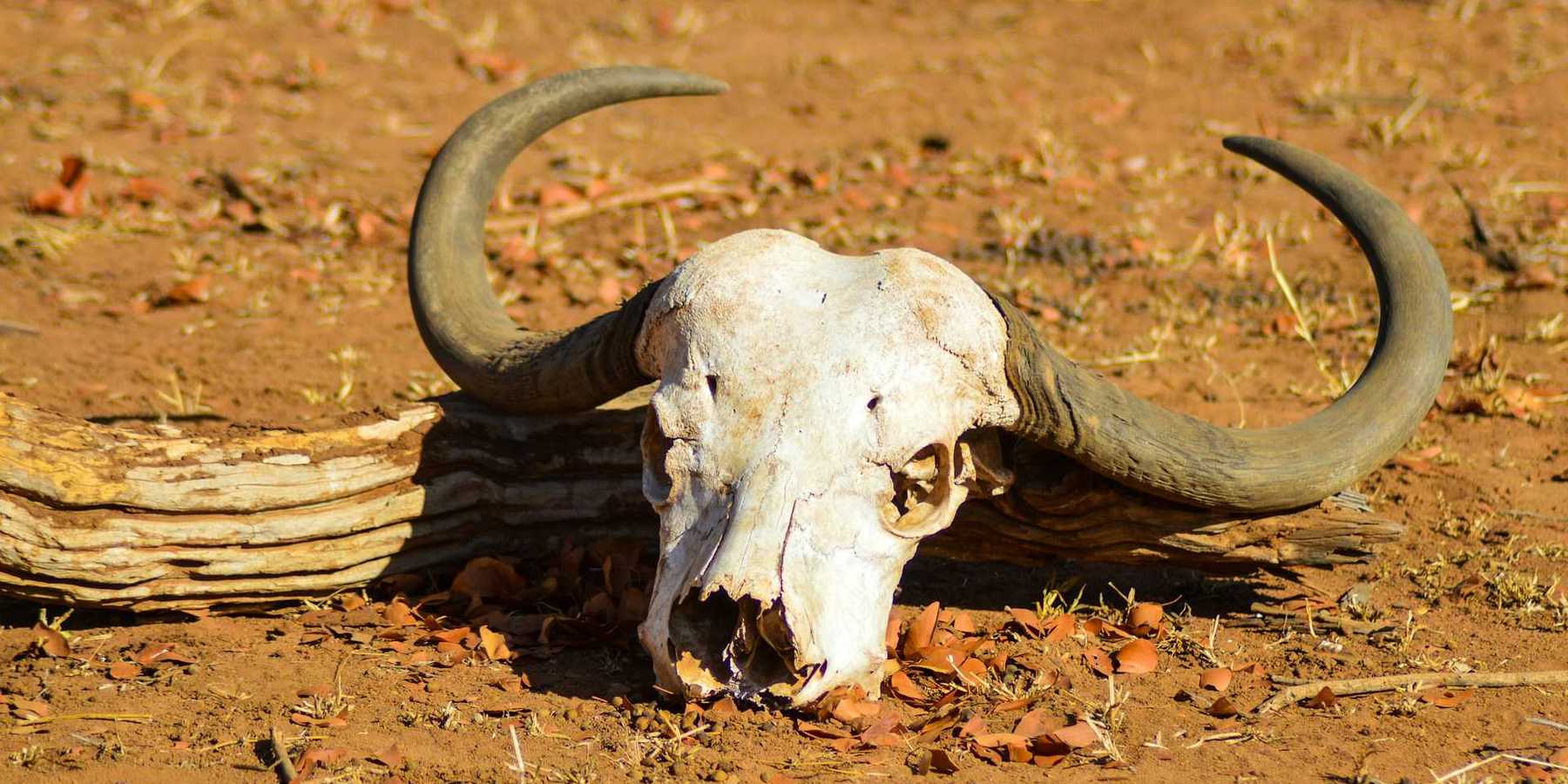
Bleached out cow skull with horns intact against a dry earth background

Nature report, killed by Trump, is released independently

A draft assessment of the health of nature in the United States is grim but shot through with bright spots and possibility.
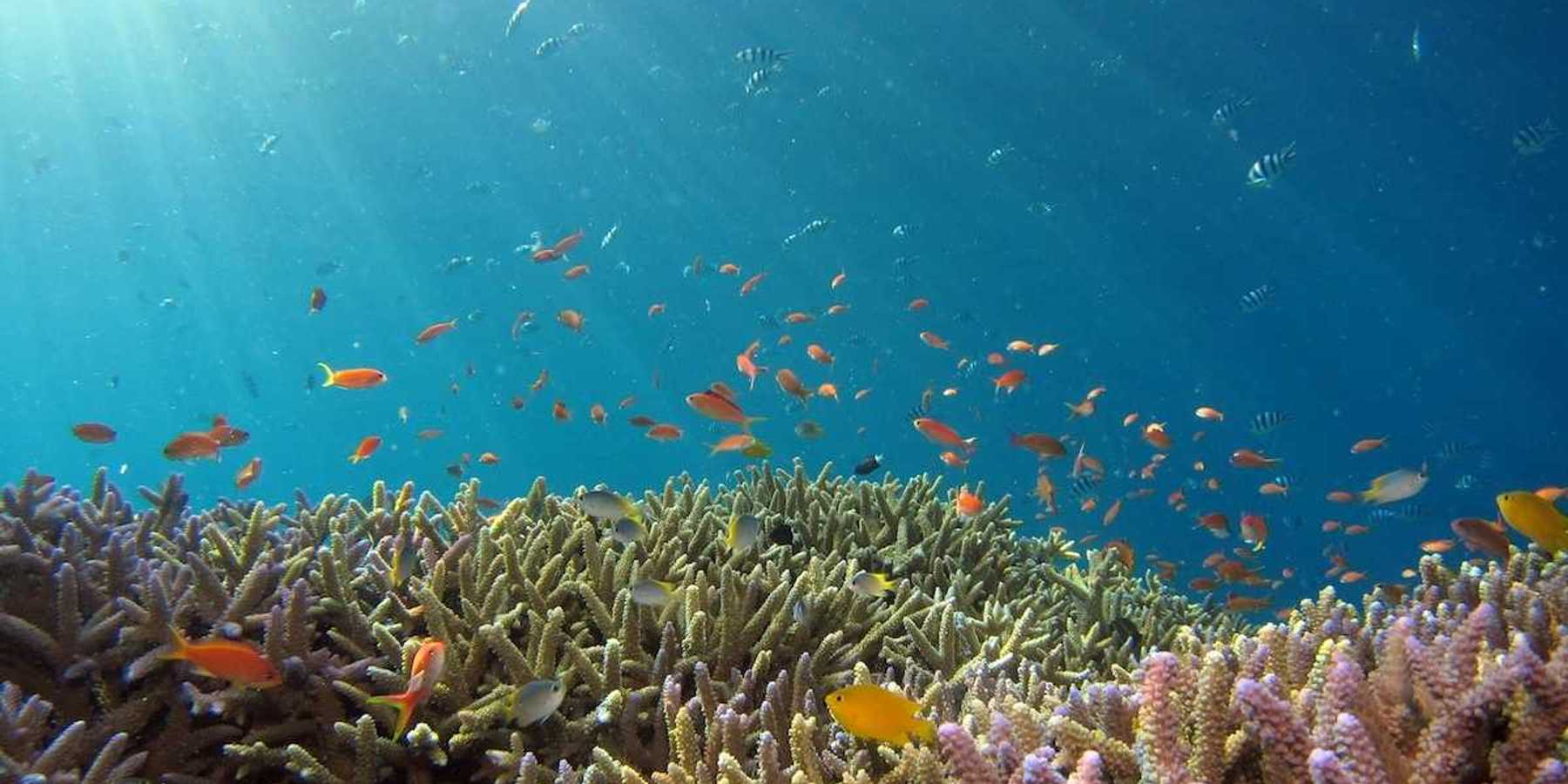
Healthy coral reef and associated fish

How protecting nature could make the world safer

Debt-for-nature swaps and conservation funds to halt biodiversity loss are gaining traction as governments link ecosystem collapse to geopolitical instability.
A gavel sitting on a judge's desk

The Supreme Court case that could end local climate suits

Nearly a dozen states are suing the oil and gas industry over climate. The fossil fuel industry is pushing back.
An aerial view of San Francisco

Trump may have inadvertently invited a wave of climate action from blue states

The administration’s decision to rescind the Obama-era endangerment finding undercuts its own legal arguments against state-level climate superfund laws.
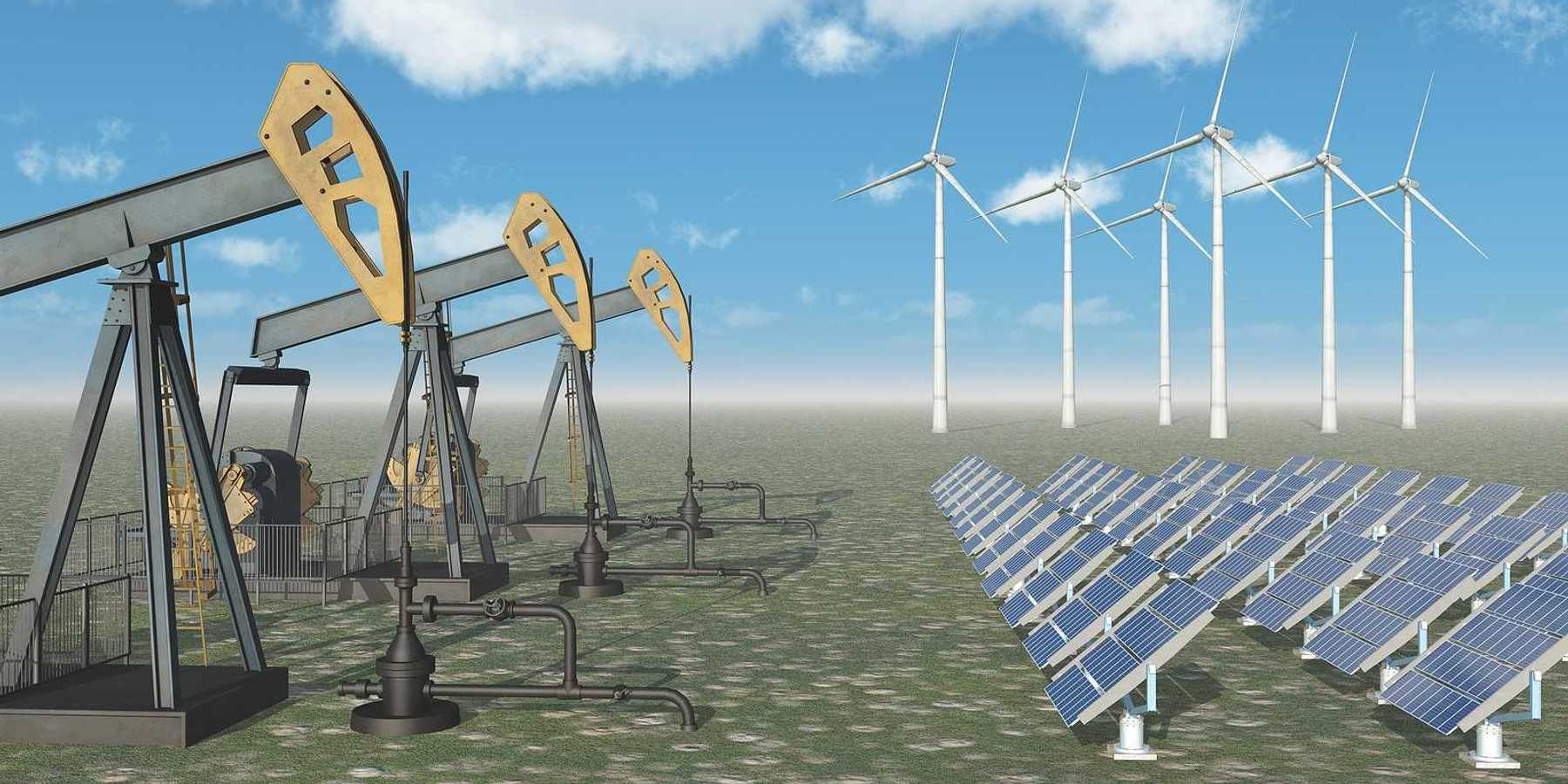
Computer generated 3D illustration with oil pumps, solar panels and wind turbines.
Credit: MIRO3D/BigStock Photo ID: 147195269

Texas seizes the solar crown from California, and other key points from the latest electricity data

Utility-scale solar soared in 2025 across the country; coal also grew, while natural gas was down.
From our Newsroom
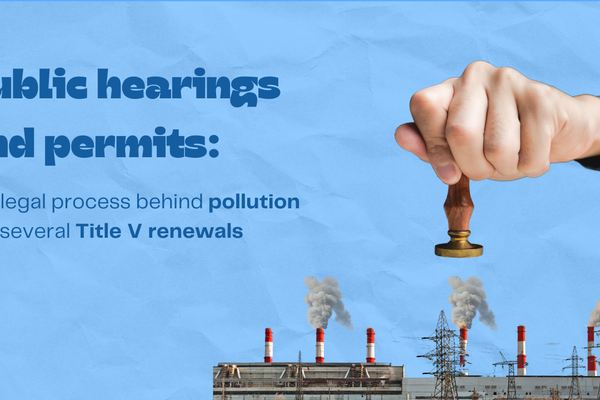
Multiple Houston-area oil and gas facilities that have violated pollution laws are seeking permit renewals

Multiple Houston-area oil and gas facilities that have violated pollution laws are seeking permit renewals

One facility has emitted cancer-causing chemicals into waterways at levels up to 520% higher than legal limits.

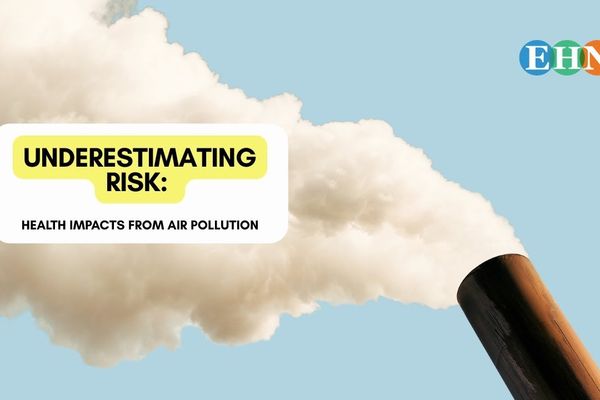
Regulators are underestimating health impacts from air pollution: Study

Regulators are underestimating health impacts from air pollution: Study

"The reality is, we are not exposed to one chemical at a time.”

Pennsylvania governor Josh Shapiro speaks with the state flag and American flag behind him.

Two years into his term, has Gov. Shapiro kept his promises to regulate Pennsylvania’s fracking industry?

A new report assesses the administration’s progress and makes new recommendations

silhouette of people holding hands by a lake at sunset

An open letter from EPA staff to the American public

“We cannot stand by and allow this to happen. We need to hold this administration accountable.”

wildfire retardants being sprayed by plane

New evidence links heavy metal pollution with wildfire retardants

“The chemical black box” that blankets wildfire-impacted areas is increasingly under scrutiny.

Stay informed: sign up for The Daily Climate newsletter
Top news on climate impacts, solutions, politics, drivers. Delivered to your inbox week days.