Poverty greatly increases risk of death during heat waves

A new study reveals that low-income individuals in British Columbia are more than twice as likely to die during extreme heat events due to lack of resources and pre-existing health conditions.

Michelle Gamage reports for The Tyee.


In short:

  • Research from the BC Centre for Disease Control shows people on income assistance are 2.5 times more likely to die in heat waves, compounded by health issues like schizophrenia and COPD.
  • During the 2021 heat dome, temperatures soared to record highs, highlighting that chronic diseases combined with poverty increased mortality rates.
  • To mitigate risks, British Columbia has distributed 15,000 free air conditioners to low-income households, aiming to distribute 28,000 units total.

Key quote:

“No one is at risk from extreme heat if they have safe indoor temperatures.”

— Sarah Henderson, scientific director, BC Centre for Disease Control

Why this matters:
Heat waves are becoming more frequent and intense due to climate change, disproportionately affecting vulnerable populations. Addressing this issue requires targeted policies to ensure safe living conditions and reduce health disparities in low-income communities.

Related:

A view of a digital global map

A review of rescued climate data

The Trump administration has shut down websites like climate.gov and other climate data projects. Academics, journalists, and nonprofit organizations are working to rebuild what has been lost.
A group of workers standing next to a yellow truck fixing a pipe

Trump ordered to release billions in climate grants

From the water crisis in Jackson, Mississippi, to sewage problems in Alabama, stalled projects could get new life after federal court rulings.
A solar panel with wind turbines and an energy plant in the background

Amid renewable energy backlash, some Nebraska communities are making millions

Power generation is essential for economic growth, according to business leaders, but some Nebraskans remain steadfast in their opposition to wind and solar.

A view of a valley with mountains in the background with melting snow on their banks

Scientists define a new category of heat wave: ‘Snow eaters’

Unseasonably warm weather that rapidly melts snowpack is becoming more widespread in the U.S. West and happening earlier in the year.
A machine for cutting steel sheets in the interior of a factory

Ohio steel giant aims to use Biden climate funds for polluting project

Cleveland-Cliffs got $500M for a big green-steel push. Under Trump, the firm is “rescoping” to work that perpetuates coal use and will boost local pollution.

Man's hands holding coal against a background of black coal

Pennsylvania coal industry positions itself for a future in energy and new tech

Some see this moment of rapidly growing energy demand and desire for reliable, domestic energy as an opportunity to revitalize coal’s image.
Man wiping the sweat off of his forehead with a shirt while sitting outside in a park

Warning for heat and drought-hit UK: It gets worse without climate action

Climate Change Committee’s Baroness Brown said the ‘evidence is screaming at us’ of the need to act on climate change.
From our Newsroom
Multiple Houston-area oil and gas facilities that have violated pollution laws are seeking permit renewals

Multiple Houston-area oil and gas facilities that have violated pollution laws are seeking permit renewals

One facility has emitted cancer-causing chemicals into waterways at levels up to 520% higher than legal limits.

Regulators are underestimating health impacts from air pollution: Study

Regulators are underestimating health impacts from air pollution: Study

"The reality is, we are not exposed to one chemical at a time.”

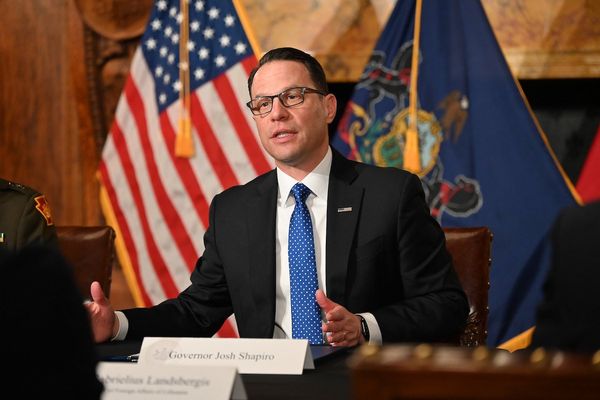
Pennsylvania governor Josh Shapiro speaks with the state flag and American flag behind him.

Two years into his term, has Gov. Shapiro kept his promises to regulate Pennsylvania’s fracking industry?

A new report assesses the administration’s progress and makes new recommendations

silhouette of people holding hands by a lake at sunset

An open letter from EPA staff to the American public

“We cannot stand by and allow this to happen. We need to hold this administration accountable.”

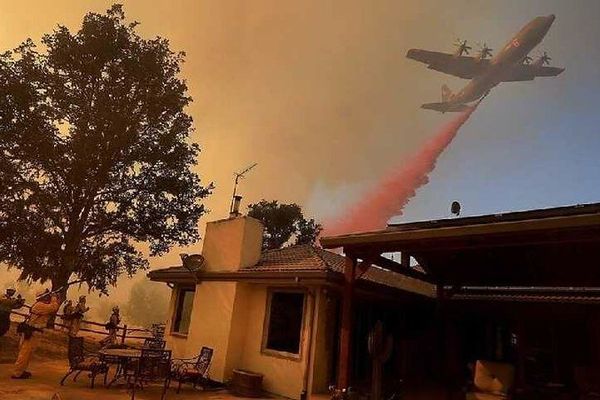
wildfire retardants being sprayed by plane

New evidence links heavy metal pollution with wildfire retardants

“The chemical black box” that blankets wildfire-impacted areas is increasingly under scrutiny.

Stay informed: sign up for The Daily Climate newsletter
Top news on climate impacts, solutions, politics, drivers. Delivered to your inbox week days.