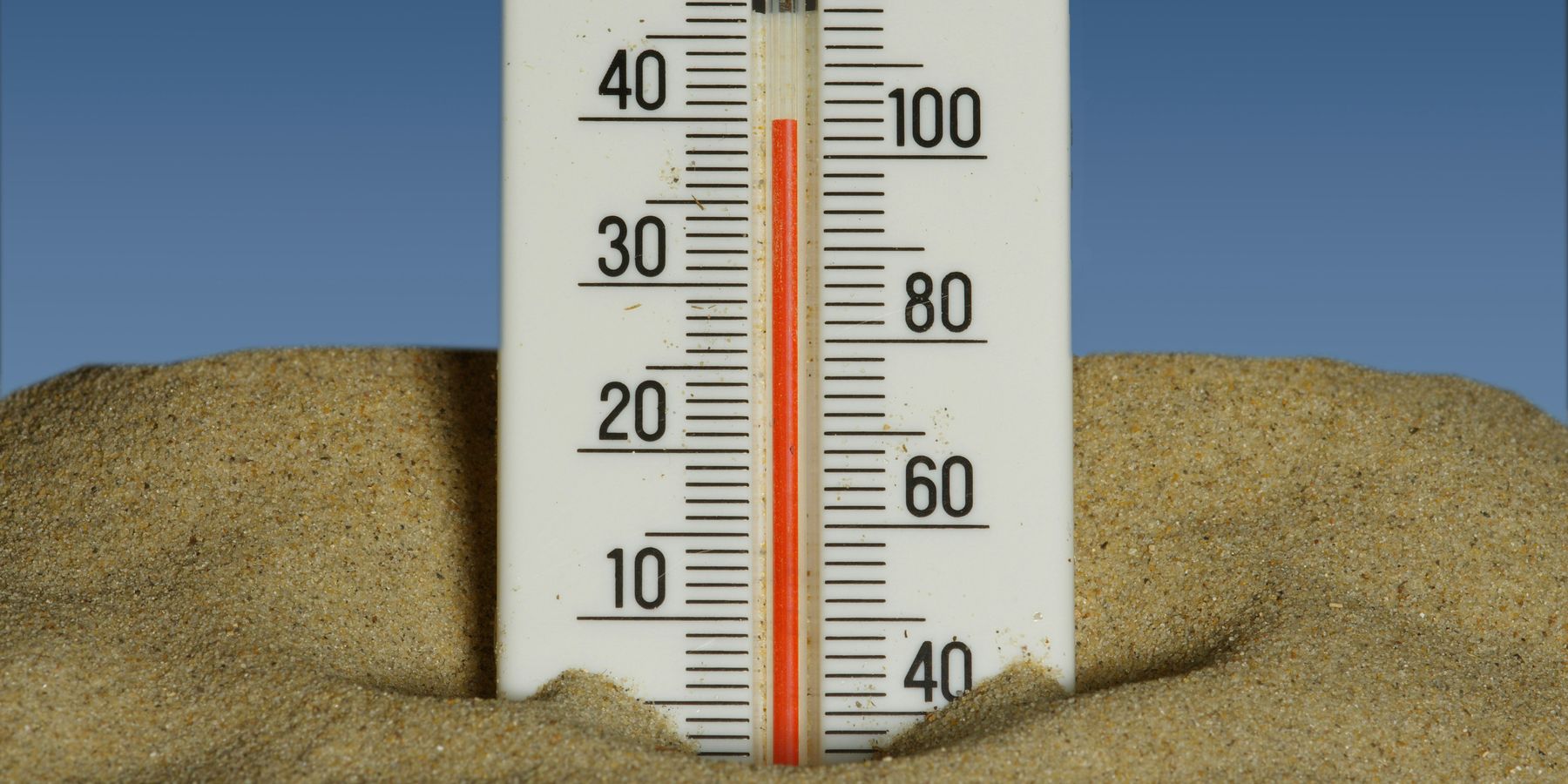
A thermometer in the sand showing temperatures near 40 degrees celsius with a blue sky in the background.

Record-shattering heat grips Norway, Sweden and Finland as Arctic temperatures top 30C

Northern Europe logged its longest stretch of 30C days on record this July, showing how quickly high-latitude regions are heating up.

Ajit Niranjan reports for The Guardian.


In short:

  • A Norwegian Arctic Circle station hit 30C on 13 July days, while parts of Finland endured three weeks of 30C heat, eclipsing records that date to 1961.
  • Meteorologists blame a stubborn high-pressure system and unusually warm coastal waters; hospitals opened ice rinks for relief, and reindeer herders warned of animals dying from heat stress.
  • Researchers say nations adapted for cold — such as Norway, Sweden and the UK — face the steepest rise in dangerously hot days because buildings, transit, and health services were designed for cooler climates.

Key quote:

“To find a longer period at these stations, you have to go back more than a century.”

— Sverker Hellström, a scientist at the Swedish Meteorological and Hydrological Institute

Why this matters:

Extreme heat at the top of the world is a flashing red light for both climate stability and public health. The Arctic is warming about four times faster than the global average, melting sea ice that helps regulate weather patterns far beyond the pole. When 30C days linger above the treeline, northern peatlands dry out, releasing stored carbon, and amplifying warming. Heat also strains bodies unaccustomed to it: Nordic homes lack air-conditioning, hospitals see spikes in dehydration and heart stress, and outdoor workers — from forestry crews to Sami herders — face greater risk of injury. Accelerating temperature swings test power grids built for heating, not cooling, and threaten ecosystems already squeezed by shifting seasons. Hotter poles can end up affecting into food prices, migration, and weather extremes worldwide.

Learn more: Svalbard permafrost thaw unleashes methane and speeds Arctic warming

A small solar panel on the balcony of a hotel

States OK solar panels for balconies. Safety guidelines haven't caught up

The “plug and play” simplicity that creates balcony solar’s appeal might not yet work safely with most household electrical systems, experts and utilities say.

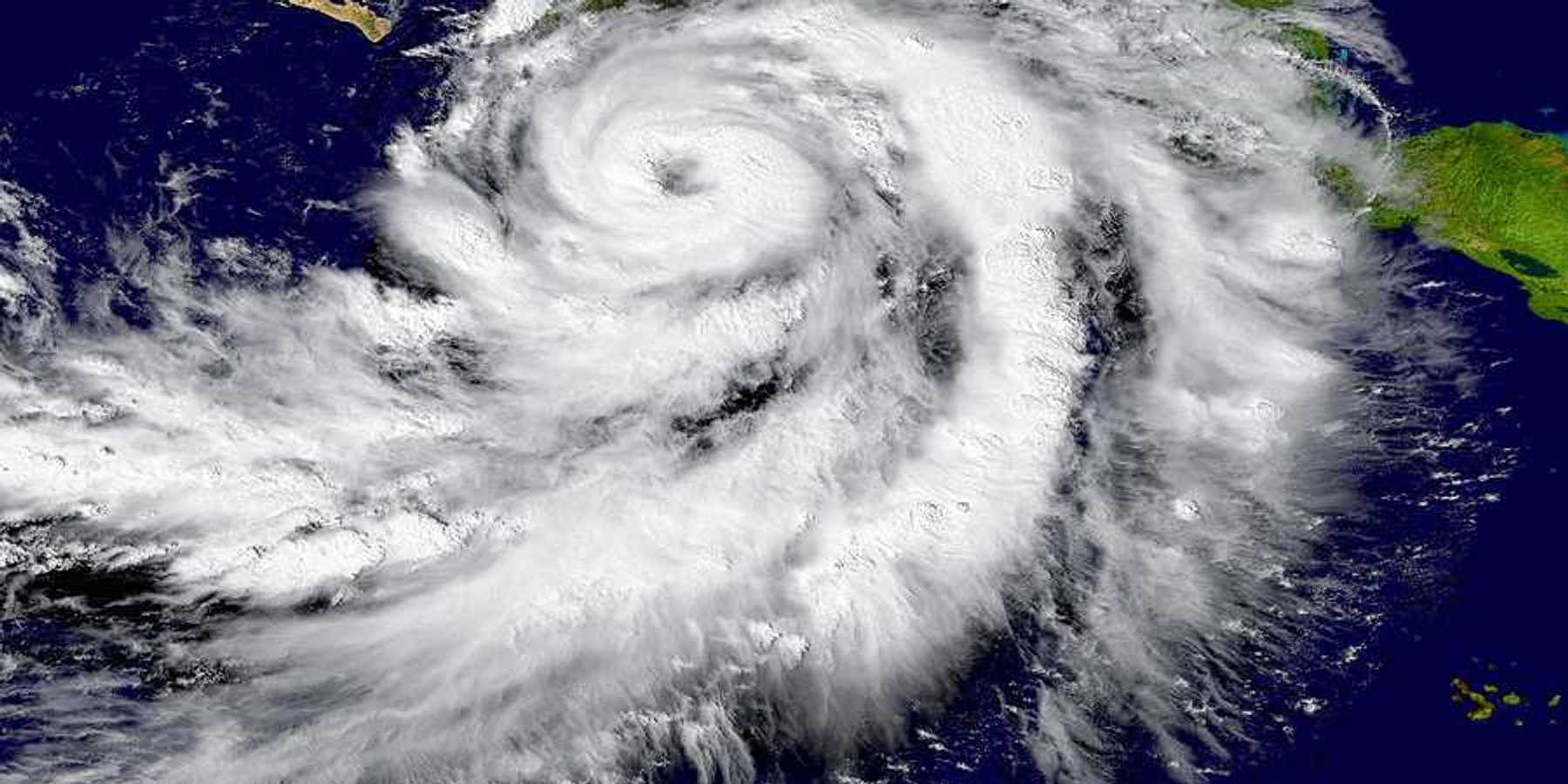
A satellite image of a hurricane heading for Central America

Evidence builds showing climate change could be intensifying El Niño events

As temperatures rise in the future, the number and frequency of strong El Niños could increase even further, some experts say.

A row of glass jars with milk in them, with a sheaf of wheat in front of them

Oatly joins climate journalism campaign

The world’s largest producer of oat milk, Oatly, is pushing its customers and their governments to act on climate change, in a new milk carton campaign that's taking off in Europe and is expected in the United States within the next few months.
A view of a pump jack drilling for oil with the sunset in the background

‘Digger’ is the year’s big climate movie. This climate reporter hated it

Tom Cruise’s latest film is a crude parable about an unrepentant oil executive.
A view of a city street with smog or smoke in the air

Heatwaves, wildfires expose a third of world to extreme ozone pollution

Heatwaves and wildfires helped expose 34 percent of the world’s population to “extremely poor” ozone air quality in the first eight months of 2026, according to a European Union report says.

An image of frozen food in tupperware in a freezer

A 100-year-old freezer rule has a hidden climate cost

Frozen food worldwide is still kept at −18°C (0°F). Raising that by just three degrees could avoid 17 million tons of emissions a year, and an 18-month study found most foods stay safe and tasty.
From our Newsroom
Multiple Houston-area oil and gas facilities that have violated pollution laws are seeking permit renewals

Multiple Houston-area oil and gas facilities that have violated pollution laws are seeking permit renewals

One facility has emitted cancer-causing chemicals into waterways at levels up to 520% higher than legal limits.

Regulators are underestimating health impacts from air pollution: Study

Regulators are underestimating health impacts from air pollution: Study

"The reality is, we are not exposed to one chemical at a time.”

Pennsylvania governor Josh Shapiro speaks with the state flag and American flag behind him.

Two years into his term, has Gov. Shapiro kept his promises to regulate Pennsylvania’s fracking industry?

A new report assesses the administration’s progress and makes new recommendations

silhouette of people holding hands by a lake at sunset

An open letter from EPA staff to the American public

“We cannot stand by and allow this to happen. We need to hold this administration accountable.”

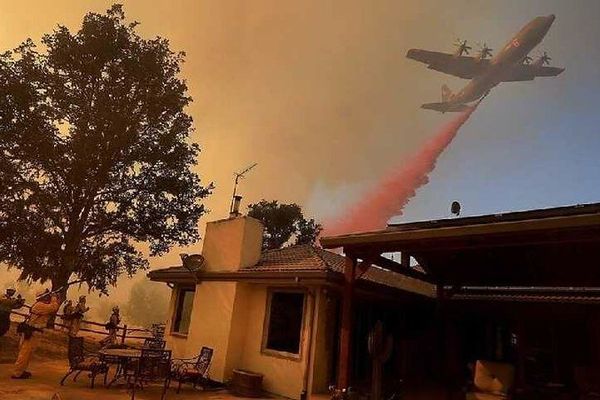
wildfire retardants being sprayed by plane

New evidence links heavy metal pollution with wildfire retardants

“The chemical black box” that blankets wildfire-impacted areas is increasingly under scrutiny.

Stay informed: sign up for The Daily Climate newsletter
Top news on climate impacts, solutions, politics, drivers. Delivered to your inbox week days.