Reducing food waste is essential but challenging

The world wastes about a third of its food supply, contributing significantly to greenhouse gas emissions and missed opportunities to alleviate food insecurity.

Julian Baggini reports for The Guardian.


In short:

  • The United Nations estimates around 17% of food is wasted globally, with an equal amount lost before retail, primarily due to issues in harvesting, storage and transportation.
  • Food waste significantly impacts the climate, accounting for 8-10% of global greenhouse gas emissions, with waste in wealthier nations linked to overproduction and consumer habits.
  • Denmark’s reduction in food waste by 25% from 2010 to 2015 was driven largely by grassroots activism, particularly through Selina Juul's efforts, although replicating such success elsewhere has proven difficult.

Key quote:

"The food waste just moves from the supermarket bin to your bin – and you have paid for it."

— Selina Juul, food waste campaigner

Why this matters:

Food waste exacerbates climate change, strains natural resources and worsens food insecurity. Reducing it requires changing consumer habits, better policies and industry accountability.


A view from below of a brick apartment building

Heat waves cost some Toronto residents more

Climate change is bringing more frequent heat waves to cities, but not all residents have equal access to space to cool down.

A view of a street with lots of flowering vines growing on the houses

Urban heat islands have solutions; many tropical cities can’t afford them

Urban heat islands pose a growing global health threat, but in tropical cities, the peril is surging.

A Black woman putting her voting record into a box at a polling station

In Arizona, the thermostat is driving voters to the polls

Record heat, two rate hikes and a data center boom have turned utility bills — not climate — into the state’s most volatile issue.
A closeup of a brown insect on a green leaf

Tick populations surge as the climate warms, and farmers bear the brunt

Farmers are at an elevated risk for tick-borne illnesses, which can have devastating health and economic consequences.
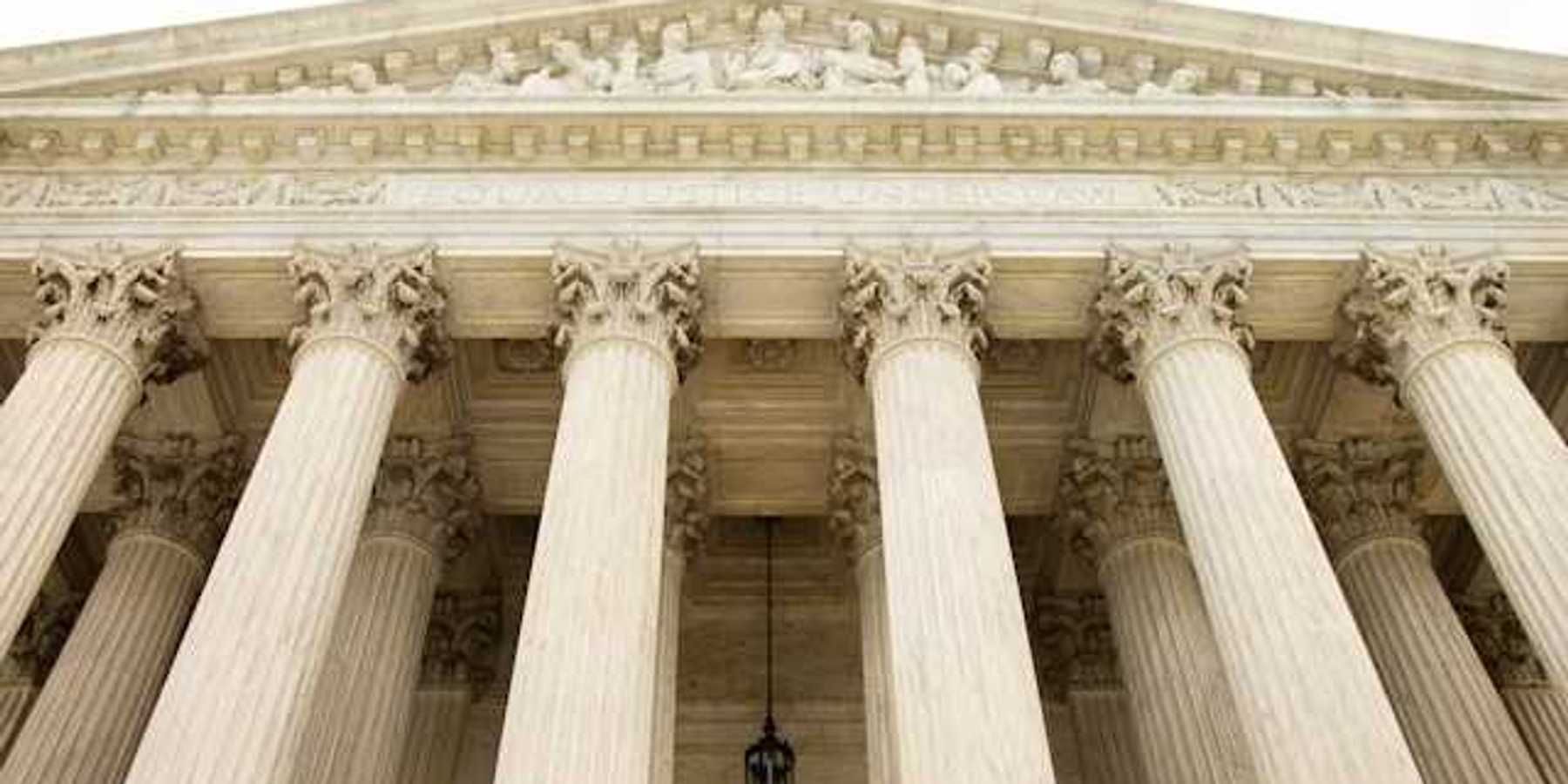
White government building with large decorative pillars

What to know about the Supreme Court’s major climate case this fall

The decision could set a significant precedent for states and cities trying to hold fossil fuel companies accountable for climate impacts.
A group of runners with numbered tags running on a city street

Hot weather forces marathons to consider changes to help runners

Marathon organizers are adjusting to warmer race conditions caused by climate change. Many races are shifting dates, starting earlier or offering shorter runs.
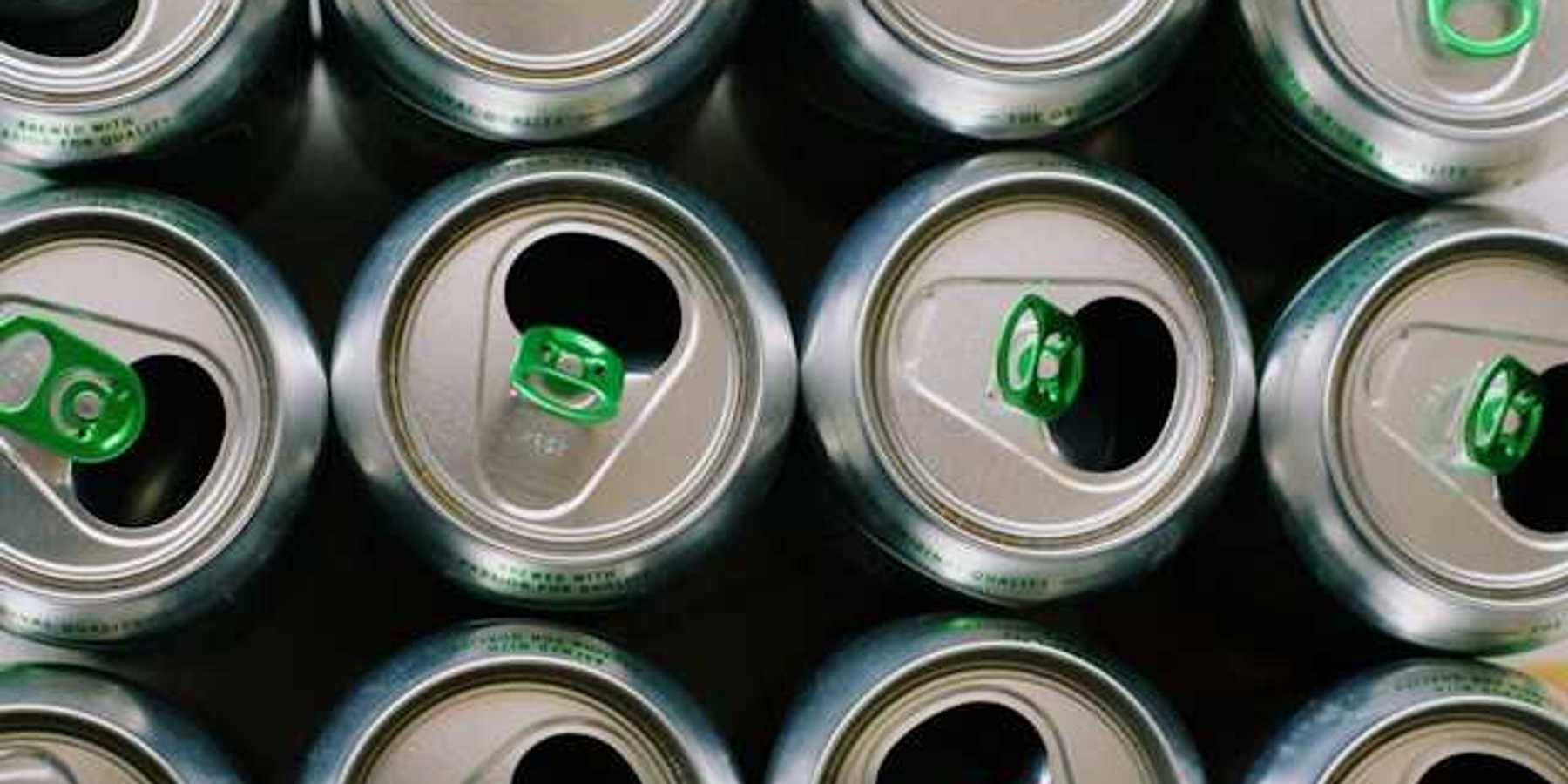
View from a group of aluminum soda cans from above, opened

US aluminum is poised for a comeback — if it overcomes these hurdles

Tariffs and rising grid demand are spurring a revival, but high electricity costs and community concerns threaten to stall key new smelter projects
From our Newsroom
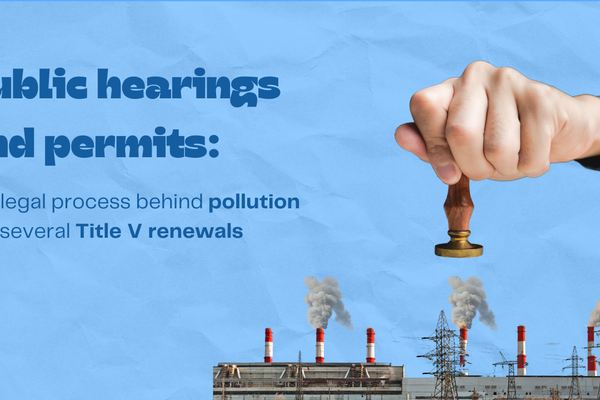
Multiple Houston-area oil and gas facilities that have violated pollution laws are seeking permit renewals

Multiple Houston-area oil and gas facilities that have violated pollution laws are seeking permit renewals

One facility has emitted cancer-causing chemicals into waterways at levels up to 520% higher than legal limits.

Regulators are underestimating health impacts from air pollution: Study

Regulators are underestimating health impacts from air pollution: Study

"The reality is, we are not exposed to one chemical at a time.”

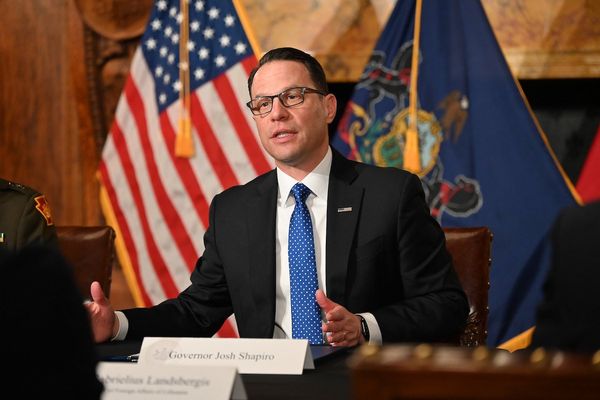
Pennsylvania governor Josh Shapiro speaks with the state flag and American flag behind him.

Two years into his term, has Gov. Shapiro kept his promises to regulate Pennsylvania’s fracking industry?

A new report assesses the administration’s progress and makes new recommendations

silhouette of people holding hands by a lake at sunset

An open letter from EPA staff to the American public

“We cannot stand by and allow this to happen. We need to hold this administration accountable.”

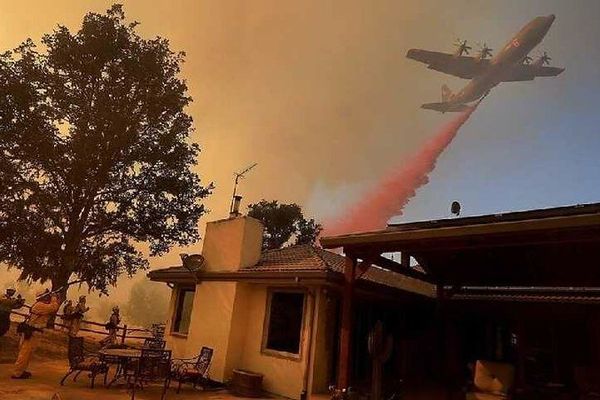
wildfire retardants being sprayed by plane

New evidence links heavy metal pollution with wildfire retardants

“The chemical black box” that blankets wildfire-impacted areas is increasingly under scrutiny.

Stay informed: sign up for The Daily Climate newsletter
Top news on climate impacts, solutions, politics, drivers. Delivered to your inbox week days.