Rising summer heat drives more Americans indoors and sparks mental health concerns

Americans are retreating indoors during record heat waves, raising concerns about a lesser-known form of seasonal depression linked to extreme summer temperatures.

Yasmin Tayag reports for The Atlantic.


In short:

  • Summers across U.S. cities are now about 2.6 degrees Fahrenheit hotter than 50 years ago, forcing many people to rearrange daily routines to avoid heat exposure.
  • Psychiatrists report more cases of “summer seasonal affective disorder,” a condition tied to heat-related stress, disrupted sleep, and reduced social interaction.
  • Experts warn that climate change is amplifying heat waves, which may worsen mood disorders, anxiety, and even suicide risk.

Key quote:

“I am not optimistic.”

— Ayman Fanous, psychiatry professor at the University of Arizona

Why this matters:

More people are staying inside for months at a time, which limits sunlight, social contact, and exercise — key buffers against depression and anxiety. Communities without reliable air conditioning face the greatest risks, yet even those with cooling are experiencing a shift in daily life as outdoor activities become unsafe. These patterns mirror winter’s isolation but occur during what used to be the most socially vibrant season of the year. As heat waves grow longer and more intense, researchers warn of cascading mental health effects that public health systems and city planners are only beginning to address.

Read more: A customizable survival kit for climate-fueled disasters

Mosquito (Culex pipiens) with his stomach full of human blood sitting on mosquito netting
Credit: Birute Vijeikiene/BigStock Photo ID: 8097563

Aid cuts and climate change drive deadly malaria surge in Zimbabwe

A surge in malaria cases in Zimbabwe is exposing fragile health systems and growing treatment shortages in rural areas.
 Home electricity with battery energy storage system on modern house. Wind energy. Green energy. Windmills house with solar panel.
Credit: robuart/BigStock Photo ID: 476429151

The hidden innovation behind Antora’s massive new heat battery

The startup is turning on a 200-battery project in South Dakota — and pioneering an electric utility rate that could help boost thermal energy storage more widely.

Palm trees, palm oil plantation

Loopholes undermine palm oil industry’s antideforestation pledges

More than a decade after the palm oil industry adopted “No Deforestation, No Peat, No Exploitation” (NDPE) commitments, new satellite data show forest clearing for palm oil in Indonesia persists.

Yellow diesel generator for general construction works and emergency services.
Credit: urich26/BigStock Photo ID: 422981561

As data centers boom, Virginians breathe the exhaust of 10,000 diesel generators

Pollution from Virginia's many data centers could cause respiratory symptoms and deaths in the region, analysis of state permits and corporate disclosures shows.
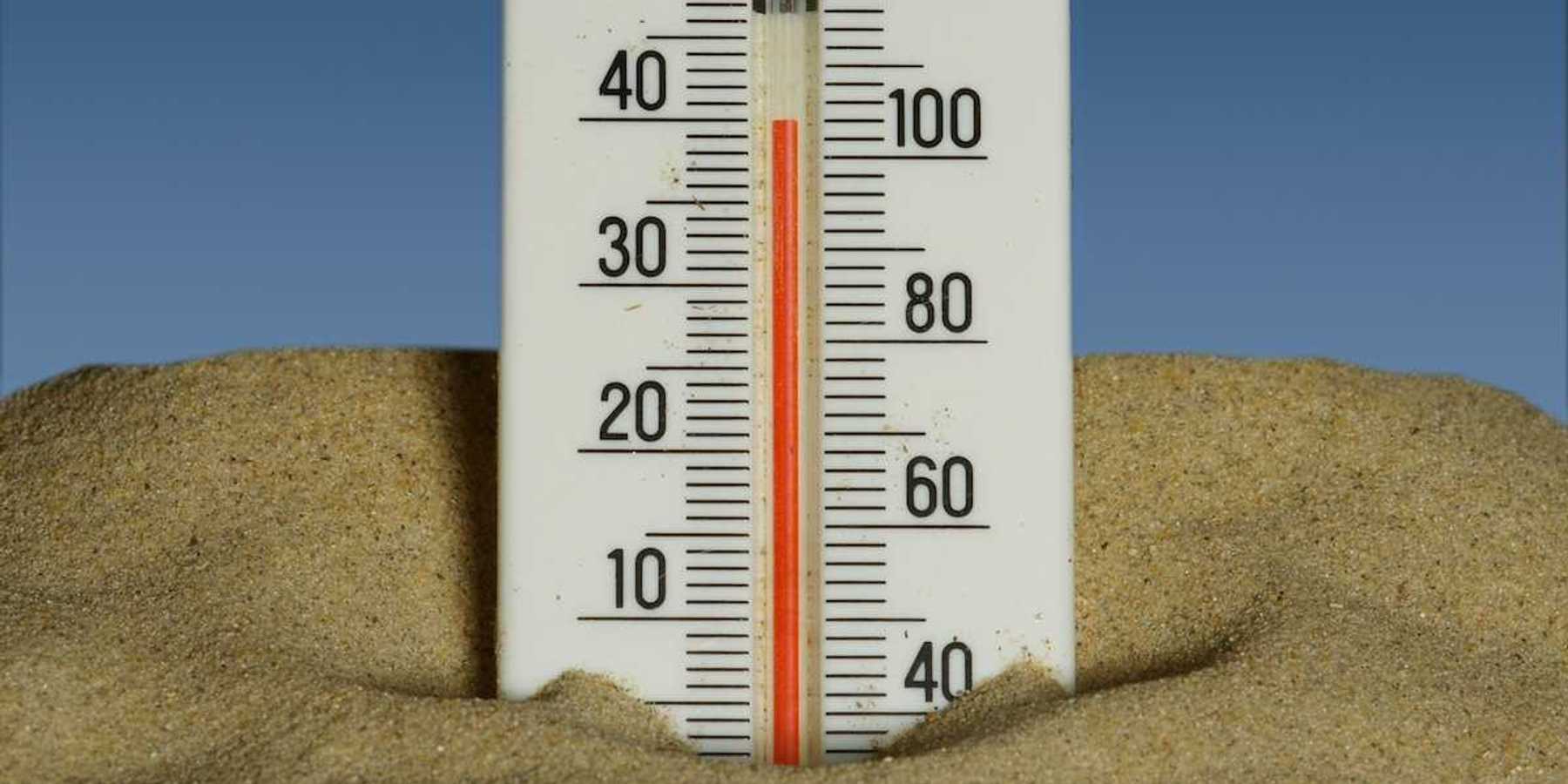
Mercury thermometer stuck in the sand and reading 40 degrees C/104 degrees F

UN predicts limit-smashing global warming in the next five years

A new report from the United Nations weather agency gives a three-out-of-four chance that the next five years will average more than 1.5 degrees Celsius above pre-industrial temperatures.
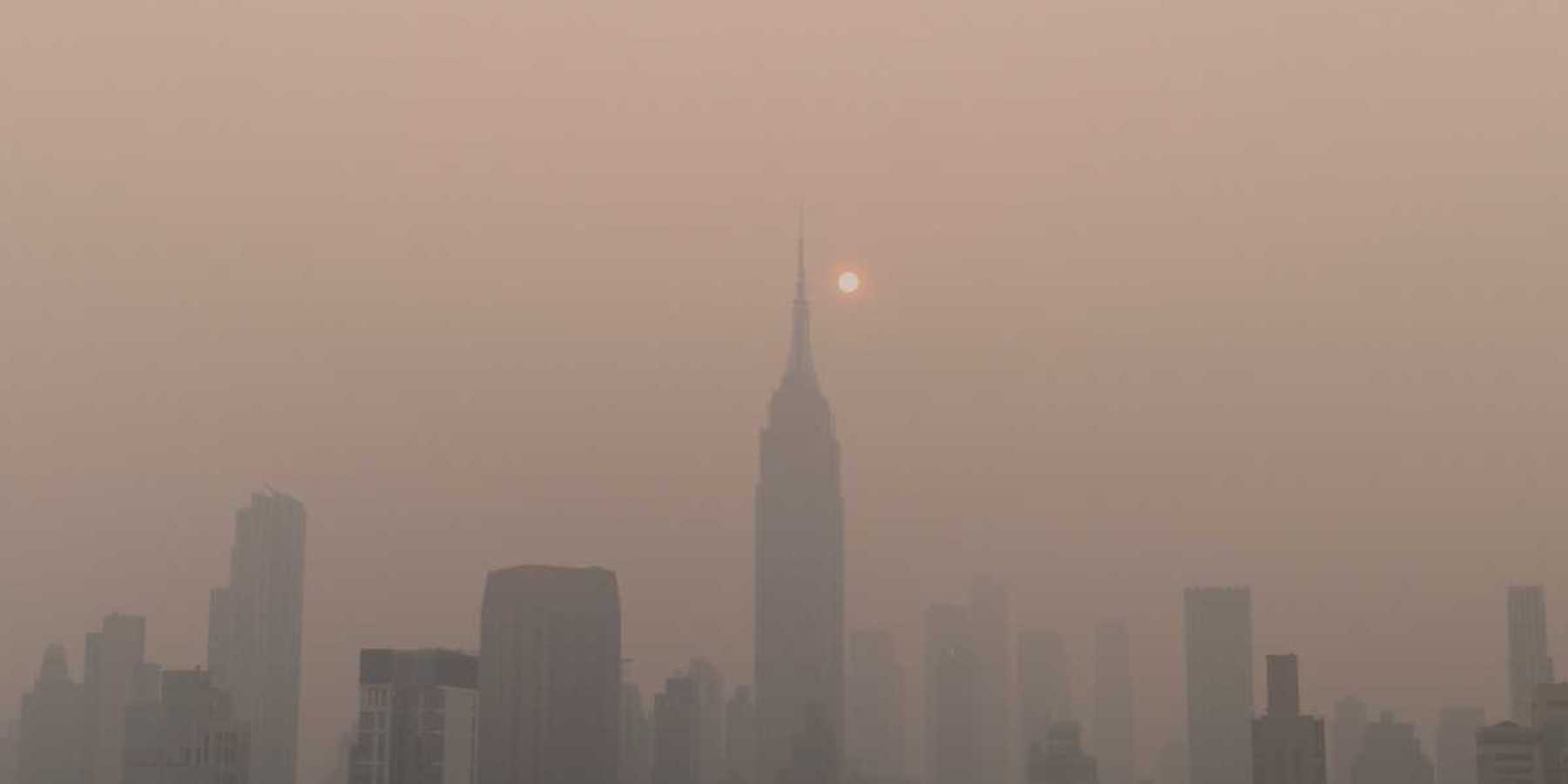
New York City skyline cloaked in wildfire smoke

Wildfire smoke engulfed their cities. Did it make their babies sick?

Years after wildfire scares, parents are left wondering if their children's chronic illnesses began with what was in the air before they were born.

A person holding a yellow inhaler

Greener inhaler use cuts carbon emissions across OUH

A shift towards lower‑carbon inhalers has helped cut carbon emissions at Oxford University Hospitals, supporting the ambition to reach net zero and reducing the environmental impact of care.

From our Newsroom
Multiple Houston-area oil and gas facilities that have violated pollution laws are seeking permit renewals

Multiple Houston-area oil and gas facilities that have violated pollution laws are seeking permit renewals

One facility has emitted cancer-causing chemicals into waterways at levels up to 520% higher than legal limits.

Regulators are underestimating health impacts from air pollution: Study

Regulators are underestimating health impacts from air pollution: Study

"The reality is, we are not exposed to one chemical at a time.”

Pennsylvania governor Josh Shapiro speaks with the state flag and American flag behind him.

Two years into his term, has Gov. Shapiro kept his promises to regulate Pennsylvania’s fracking industry?

A new report assesses the administration’s progress and makes new recommendations

silhouette of people holding hands by a lake at sunset

An open letter from EPA staff to the American public

“We cannot stand by and allow this to happen. We need to hold this administration accountable.”

wildfire retardants being sprayed by plane

New evidence links heavy metal pollution with wildfire retardants

“The chemical black box” that blankets wildfire-impacted areas is increasingly under scrutiny.

Stay informed: sign up for The Daily Climate newsletter
Top news on climate impacts, solutions, politics, drivers. Delivered to your inbox week days.