Santa Monica's famous beach was built, not born

City officials transformed Santa Monica Beach into a wide, sandy tourist haven in the early 20th century by trucking in millions of cubic meters of sand, turning a rocky coastline into one of LA's iconic beaches.

Lucy Sherriff reports for BBC.


In short:

  • In the early 1900s, Santa Monica's natural beaches were rocky and narrow, prompting officials to artificially expand them with imported sand.
  • Decades of beach grooming have reduced biodiversity, but efforts to restore natural sand dunes are showing success in protecting the coastline.
  • The Bay Foundation's dune restoration project has seen the return of native plants and threatened wildlife, such as the western snowy plover.

Key quote:

"The plants have really taken off, perhaps better than we could have hoped. The bigger question was how was the wildlife going to respond to that habitat and that beach, while there's still such a dramatic human presence there. Fortunately, the answer came very quickly."

— Tom Ford, president of The Bay Foundation

Why this matters:

Artificial beaches may look pristine, but they disrupt natural ecosystems. Restoring dunes can provide crucial protection against erosion, storm surges and rising sea levels while reviving local biodiversity.

Related: Homeowners face hefty fines for unauthorized erosion control

Oil barrels on stacks of golden coins and oil pump jack with market price chart.
Credit: maxxyustas/BigStock Photo ID: 432132710

Watchdog groups urge Senate to investigate Samuel Alito over oil stock conflicts

Groups say supreme court justice, who owns stock in oil companies, may be violating ethics codes by participating in certain cases
Drones-eye view of a data center sited in rural farm country

An outpouring of frustration over Pennsylvania’s rapid data center growth

At an online town hall meeting, speakers said there’s too little transparency and too much state government support for the industry.
A row of solar panels in the foreground with wind turbines in the background

China goes electric, but can it get off coal?

The world's clean energy superpower also emits the most CO2. But coal-fired power may have peaked as China electrifies its economy with ever more renewables.
A worker installing solar panels on a roof

French and African leaders announce $11 billion in renewable energy for Africa

Leaders said the investments could help expand electricity access while positioning Africa as a major player in the global clean energy transition.

Upper floors of a multi-story apartment building. Climate friendly housing

The surprising climate fix Democrats and Republicans both love

Politicians across the spectrum want more housing. Apartments are a great answer, because they also slash carbon emissions in a big way.
A firefighter training a water hose on a wildfire

As property insurance crisis worsens, some lawmakers target Big Oil

Some state lawmakers are opening up a new line of attack in the effort to force oil companies to bear the cost of climate change effects.

A  view of the Eaton fire , looking towards the west coast from Koreatown, Los Angeles

The toxic aftermath of the L.A.-area fires: Why contamination is keeping people out of their homes

Since the Eaton Fire, Altadena residents have found hazardous substances such as lead and asbestos on their properties, fueling fear, conflict and a patchwork of emerging research.
From our Newsroom
Multiple Houston-area oil and gas facilities that have violated pollution laws are seeking permit renewals

Multiple Houston-area oil and gas facilities that have violated pollution laws are seeking permit renewals

One facility has emitted cancer-causing chemicals into waterways at levels up to 520% higher than legal limits.

Regulators are underestimating health impacts from air pollution: Study

Regulators are underestimating health impacts from air pollution: Study

"The reality is, we are not exposed to one chemical at a time.”

Pennsylvania governor Josh Shapiro speaks with the state flag and American flag behind him.

Two years into his term, has Gov. Shapiro kept his promises to regulate Pennsylvania’s fracking industry?

A new report assesses the administration’s progress and makes new recommendations

silhouette of people holding hands by a lake at sunset

An open letter from EPA staff to the American public

“We cannot stand by and allow this to happen. We need to hold this administration accountable.”

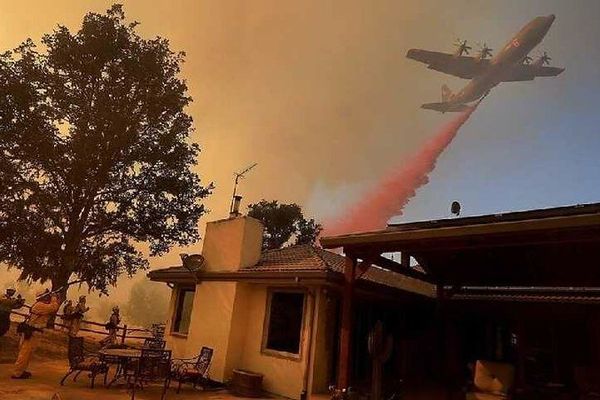
wildfire retardants being sprayed by plane

New evidence links heavy metal pollution with wildfire retardants

“The chemical black box” that blankets wildfire-impacted areas is increasingly under scrutiny.

Stay informed: sign up for The Daily Climate newsletter
Top news on climate impacts, solutions, politics, drivers. Delivered to your inbox week days.