Saudi Arabia’s Neom project marketed as eco-friendly despite human rights and oil dependency concerns

Saudi Arabia’s Neom project, a purported eco-city, relies on Western PR firms to market sustainability claims that critics say mask human rights abuses and ongoing fossil fuel dependence.

Adam M. Lowenstein reports for DeSmog.


In short:

  • Western PR and consulting firms are profiting from contracts with Neom, promoting it as a model of sustainability despite Saudi Arabia’s major economic reliance on oil.
  • Neom’s construction displaces local tribes, with reports of forced evictions and severe legal repercussions for opposition, raising human rights concerns.
  • The Saudi government uses the Neom project to shape its global image as a green leader while obstructing climate action and increasing fossil fuel exports.

Key quote:

“Everyone [is] accepting Saudi money in exchange for silence.”

— Lina Alhathloul, head of monitoring and advocacy for ALQST for Human Rights

Why this matters:

Saudi Arabia, the world’s largest oil exporter, is using Neom’s green branding to deflect attention from its environmental and human rights issues. With billions invested in Neom’s image, the campaign underscores the growing influence of fossil-fuel-dependent states on global narratives about sustainability.

Related:

Red oil tanker at a dock

Iran war Strait of Hormuz crisis: Food, fuel, climate impact globally

The closure of the Strait of Hormuz has triggered fuel shortages, food disruptions, and a resurgence of coal use, hitting billions of people, especially in poorer countries.

Female doctor writing on a clipboard in a hospital

Health sector launches collaborative to cut emissions and boost climate resilience

A National Academy of Medicine initiative is bringing together leaders across the U.S. health system to reduce its sizable carbon footprint and strengthen resilience to climate-driven health threats.

A doctor performing an ultrasound on a pregnant woman

Climate-conscious for hospitals: Addressing health risks

Climate change is increasingly straining health systems and worsening patient outcomes, but hospitals can respond by redesigning care to reduce emissions and improve resilience.

Cars on the highway at night

Car dependency and US environmental health research

U.S. health research has long focused on car pollution; now scientists say the bigger threat may be car dependency itself.

The emergency room entrance of a hospital

Conceptualizing climate vulnerability in health sciences

Climate change is increasingly understood as a public health emergency, but training the workforce to respond to it remains an unresolved challenge.

Fishing boat on open water with oil drilling rig in the background

Trump cabinet exempts Gulf drilling from species protections

The unprecedented move from a rarely used Endangered Species Committee granted the broadest exemption in the law’s history.
Methane flaring at desert fracking sites

Invisible plumes and ‘terrible pollution’: the reality of the US gas sites rated ‘grade A’

Guardian investigation into reliability of methane certification issued by MiQ reveals the weakness of voluntary model.

From our Newsroom
Multiple Houston-area oil and gas facilities that have violated pollution laws are seeking permit renewals

Multiple Houston-area oil and gas facilities that have violated pollution laws are seeking permit renewals

One facility has emitted cancer-causing chemicals into waterways at levels up to 520% higher than legal limits.

Regulators are underestimating health impacts from air pollution: Study

Regulators are underestimating health impacts from air pollution: Study

"The reality is, we are not exposed to one chemical at a time.”

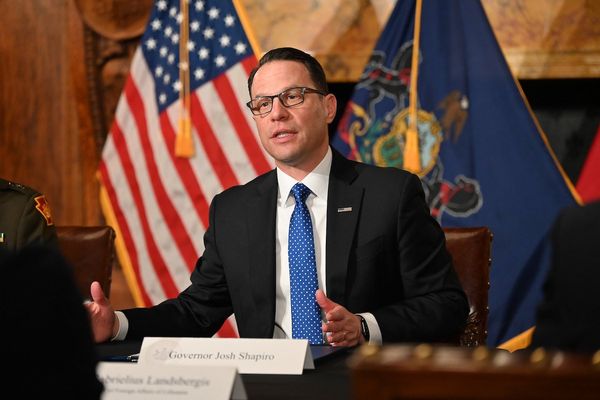
Pennsylvania governor Josh Shapiro speaks with the state flag and American flag behind him.

Two years into his term, has Gov. Shapiro kept his promises to regulate Pennsylvania’s fracking industry?

A new report assesses the administration’s progress and makes new recommendations

silhouette of people holding hands by a lake at sunset

An open letter from EPA staff to the American public

“We cannot stand by and allow this to happen. We need to hold this administration accountable.”

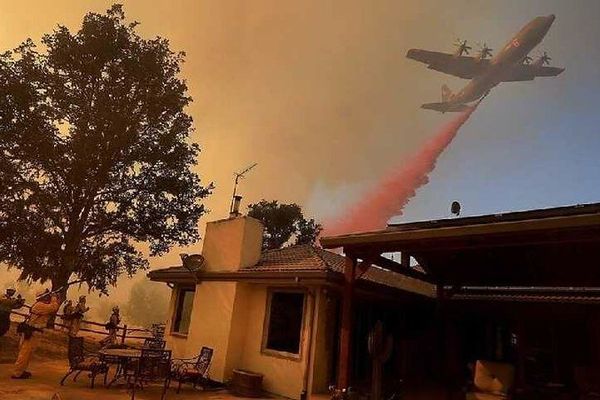
wildfire retardants being sprayed by plane

New evidence links heavy metal pollution with wildfire retardants

“The chemical black box” that blankets wildfire-impacted areas is increasingly under scrutiny.

Stay informed: sign up for The Daily Climate newsletter
Top news on climate impacts, solutions, politics, drivers. Delivered to your inbox week days.