Schools across the US are removing asphalt to reduce heat risks

Schools are transforming asphalt playgrounds into greener spaces to combat extreme heat, which has become more dangerous as temperatures rise.

Anna Phillips reports for The Washington Post.


In short:

  • Asphalt schoolyards magnify heat risks, with some surfaces reaching 145°F, putting children at risk of burns and heat illness.
  • Efforts to green these spaces are expanding, with cities like Los Angeles and Philadelphia leading projects to add trees and reduce pavement.
  • Costs and funding disparities make it harder for low-income school districts to implement these changes, despite the urgency.

Key quote:

“When you plant trees, you also get benefits for children’s well-being, for their learning, for play, for community access.”

— Sharon Danks, CEO of Green Schoolyards America

Why this matters:

Extreme heat in urban schools poses a growing danger to children, especially in low-income areas. Greening schoolyards offers a solution that improves health, safety and learning conditions.

Related EHN coverage:
Texas flag flying adjacent to solar panel
Credit: Millenius/BigStock Photo ID: 346789597

Solar to overtake coal on Texas grid for the first time ever this year

The Trump administration likes to cast renewables as a socialist scam, but solar has soared in the competitive markets of the Lone Star State.
Children being transported through deep water in a small plastic dinghy during the monsoon flooding of October 24 2010 in Nakhon Ratchasima Thailand.
Credit: Epixx/BigStock Photo ID: 9996971

U.N. climate panel says RCP 8.5, the worst-case scenario, is 'implausible'

A U.N. panel on climate change seems poised to retire RCP 8.5, a scenario in which the world does nothing to curb planet-warming emissions, in its projections.
Traffic lined up at stoplight, idling and polluting

EPA claims ‘overwhelming rejection’ of EVs as it moves to loosen air pollution rules

A proposed rule would give auto manufacturers until 2029 to meet smog and particulate matter emissions standards while the agency reconsiders the requirements altogether.
A pile of microplastics - small pieces of hard plastic on palm, intended for further processing.
Credit: luckakcul/BigStock Photo ID: 452008289

Airborne microplastics may be warming the planet in ways overlooked by scientists

Scientists have discovered that airborne microplastics may be warming the planet faster than anyone expected.
Data Center corridor lined with racks and racks of electronics

A utility mega-merger is all about data centers

NextEra’s blockbuster deal with Dominion means the largest electricity company stands to benefit even more from AI growth. But what does it mean for ratepayers?
A woman standing next to brown and dried corn stalks

Seasonal patterns that farmers trusted for generations have suddenly turned unpredictable

Intense rains, extreme heat, and unstoppable pests are wiping out crops around the world as climate change scrambles the weather.

Three people on horses riding over a grassy hill toward mountains

How Indigenous tribes are leading climate action in Montana

The Confederated Salish and Kootenai Tribes are moving forward with their climate plan despite the loss of state support and federal funding.
From our Newsroom
Multiple Houston-area oil and gas facilities that have violated pollution laws are seeking permit renewals

Multiple Houston-area oil and gas facilities that have violated pollution laws are seeking permit renewals

One facility has emitted cancer-causing chemicals into waterways at levels up to 520% higher than legal limits.

Regulators are underestimating health impacts from air pollution: Study

Regulators are underestimating health impacts from air pollution: Study

"The reality is, we are not exposed to one chemical at a time.”

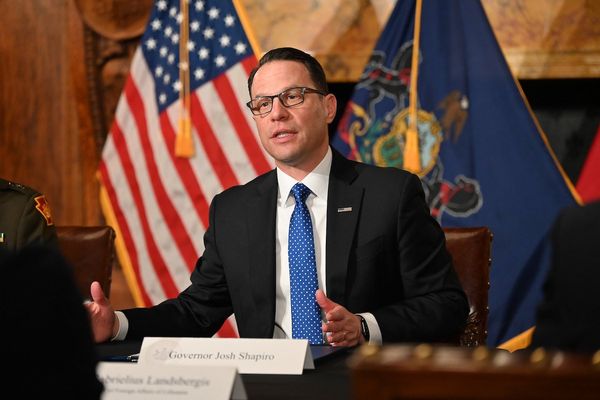
Pennsylvania governor Josh Shapiro speaks with the state flag and American flag behind him.

Two years into his term, has Gov. Shapiro kept his promises to regulate Pennsylvania’s fracking industry?

A new report assesses the administration’s progress and makes new recommendations

silhouette of people holding hands by a lake at sunset

An open letter from EPA staff to the American public

“We cannot stand by and allow this to happen. We need to hold this administration accountable.”

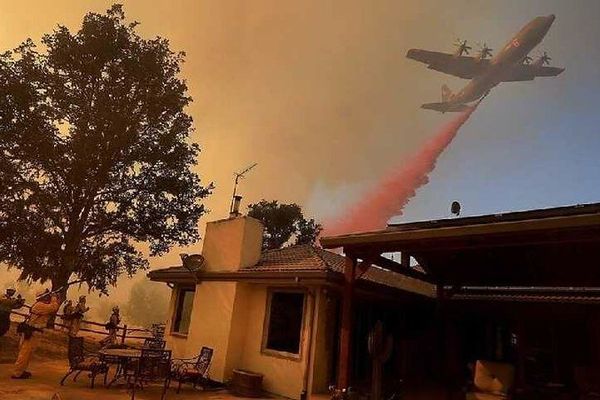
wildfire retardants being sprayed by plane

New evidence links heavy metal pollution with wildfire retardants

“The chemical black box” that blankets wildfire-impacted areas is increasingly under scrutiny.

Stay informed: sign up for The Daily Climate newsletter
Top news on climate impacts, solutions, politics, drivers. Delivered to your inbox week days.