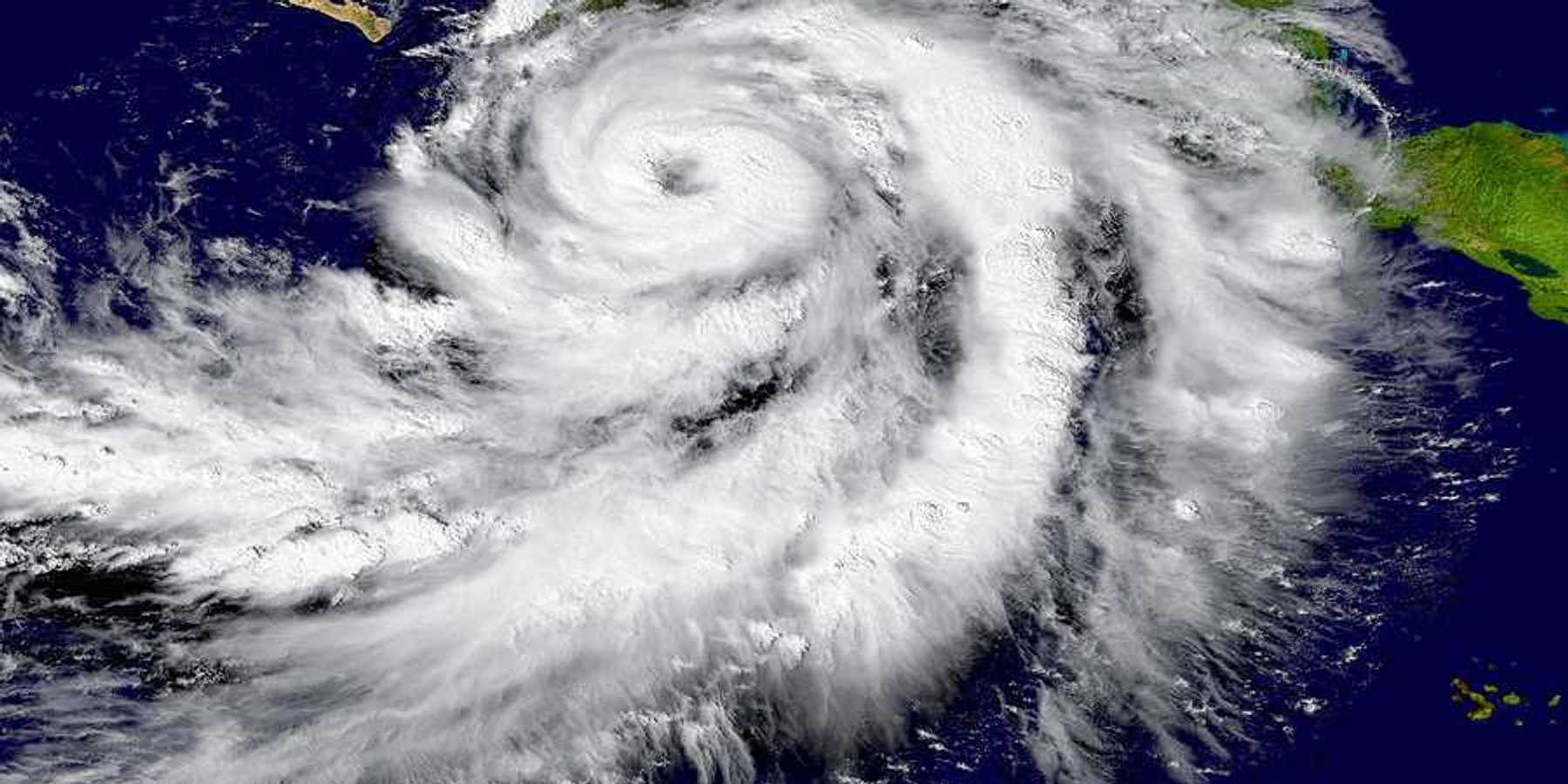
Scientists debate whether key Atlantic Ocean current is weakening

A new study suggests the Atlantic Meridional Overturning Circulation (AMOC), a crucial ocean current system, has not weakened over the past 60 years, challenging earlier research but warning of future risks.

Kasha Patel reports for The Washington Post.


In short:

  • Researchers used improved computer models and air-sea heat exchange data to reconstruct AMOC behavior from 1963 to 2017, finding no long-term weakening.
  • The study refutes prior findings linking a “cold blob” in the North Atlantic to AMOC decline, arguing the link is less direct than thought.
  • While current trends show stability, scientists agree AMOC weakening remains likely this century, with significant global consequences if it happens.

Key quote:

“I hope [people don’t think] climate change is just not happening or it’s not as bad as we think it is, because that’s not what this is about. It doesn’t mean that it’s going to stay stable in the future.”

— Jens Terhaar, oceanographer

Why this matters:

The AMOC plays a vital role in regulating global climate and weather patterns. Weakening of this current could disrupt agriculture, fisheries and rainfall patterns, especially in Europe, Africa and Asia. Monitoring and mitigating climate risks remain critical as ocean systems evolve.

Read more: Scientists predict collapse of key Atlantic Ocean current by 2057

A row of trees ready to be planted

Study maps tree-planting risks and rewards for climate and biodiversity

Establishing forests can capture carbon and boost biodiversity — but some biomes are a better bet than others.

A bombed building against a grey sky

As Iran war roils energy markets, backers of renewables wish for a boost

The Iran war is shaking the global energy system and with it Earth's climate future.

A woman at the front of a protest holding a microphone

Women bear the brunt of climate change. Meet the green politicians determined to change that

For International Women’s Day, Euronews Green highlighted some of the female politicians spearheading the never-ending fight against climate change.

A view of an iceberg from the side, showing the ice above and below the water line
Credit: Victor/Unsplash+

This iceberg was once the biggest in the world. Now it has just weeks left

A23a was once twice the size of Greater London but now its 40-year journey is coming to an end.
Two oil workers in yellow vests looking at ipads while standing in front of smokestacks

The future of geothermal energy may depend on fossil fuel workers

The next generation of geothermal energy is drawing on decades of talent and technical expertise developed in the oil and gas industries.
Oil tankers docking at oil terminal adjacent to multiple storage tanks.

Oil built the Persian Gulf. Desalinated water keeps it alive. War could threaten both

As the Iran war widens, experts say the Middle East’s real strategic weak point may be water — not oil.
Woman FBI agent, back to camera,  talking on the phone.

Is the FBI investigating environmental activists?

A recent visit by an FBI agent to a climate activist hints at a broadening Trump administration effort to target political opponents.

From our Newsroom
Multiple Houston-area oil and gas facilities that have violated pollution laws are seeking permit renewals

Multiple Houston-area oil and gas facilities that have violated pollution laws are seeking permit renewals

One facility has emitted cancer-causing chemicals into waterways at levels up to 520% higher than legal limits.

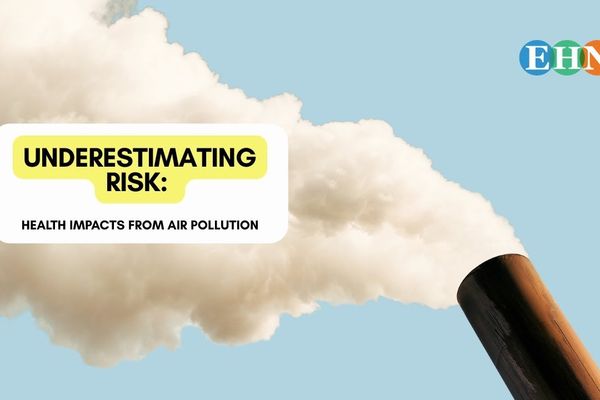
Regulators are underestimating health impacts from air pollution: Study

Regulators are underestimating health impacts from air pollution: Study

"The reality is, we are not exposed to one chemical at a time.”

Pennsylvania governor Josh Shapiro speaks with the state flag and American flag behind him.

Two years into his term, has Gov. Shapiro kept his promises to regulate Pennsylvania’s fracking industry?

A new report assesses the administration’s progress and makes new recommendations

silhouette of people holding hands by a lake at sunset

An open letter from EPA staff to the American public

“We cannot stand by and allow this to happen. We need to hold this administration accountable.”

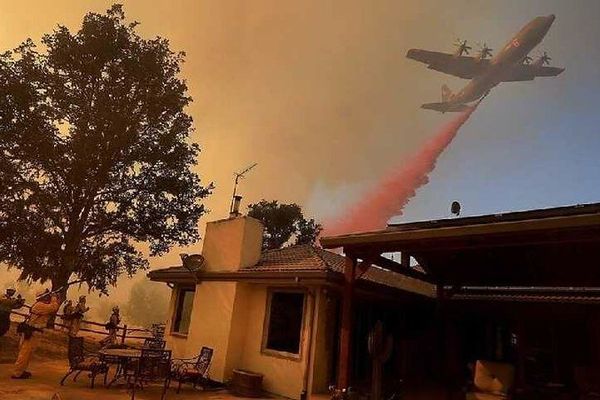
wildfire retardants being sprayed by plane

New evidence links heavy metal pollution with wildfire retardants

“The chemical black box” that blankets wildfire-impacted areas is increasingly under scrutiny.

Stay informed: sign up for The Daily Climate newsletter
Top news on climate impacts, solutions, politics, drivers. Delivered to your inbox week days.