Scientists find IVF coral better survives marine heatwaves than older coral colonies

Young corals bred with in vitro fertilization and planted on reefs in the Caribbean have shown a remarkable ability to survive record heatwaves, outperforming older, natural coral colonies.

Lisa S Gardiner reports for The Guardian


In short:

  • A study found that 90% of IVF-bred corals remained healthy during a Caribbean heatwave, while only 25% of older corals survived.
  • IVF coral uses increased genetic diversity to adapt better to rising temperatures compared to traditional cloning methods.
  • Researchers emphasize the need for climate action, as frequent heatwaves threaten long-term coral survival.

Key quote:

“We need to address the underlying causes of global climate change. But I think it’s important that we’re supplementing coral populations in the meantime, because it might be able to buy us some time.”

— Dr. Margaret Miller, research director, Secore International

Why this matters:

Coral reefs support marine biodiversity and protect coastlines. As climate change intensifies, techniques like coral IVF may help sustain these ecosystems in the short term, but global warming must be addressed for long-term success.

Related EHN coverage:
A view of a hydropower plant during a storm

Trump officials move to strip tribes of veto power over hydropower projects

After the Navajo Nation successfully halted a hydropower proposal on Black Mesa, the Trump administration is pushing to roll back a federal policy that requires tribal consent for such projects.

A closeup of an Uber light in the back window of a car

Uber pulls back from EVs, slashing incentives for drivers

After years of promoting electric vehicle adoption among its drivers, Uber has abruptly scaled back bonuses and support programs, even as its emissions climb and regulators press for cleaner fleets.

A smokestack viewed from below

Boom in burning waste for fuel puts human health and environment at risk

As the world desperately searches for a way out of its global climate change and plastic pollution crises, nations are increasingly turning to burning municipal waste to make fuel as a solution to both problems.

A female doctor standing next to a glass wall

Are environmental risks making Canada's doctor shortage worse?

From Alberta’s oilsands to B.C.’s gas fields and Ontario’s Chemical Valley, doctors in Canada are increasingly weighing air pollution, industrial toxins and climate-driven disasters when deciding where to live and work.

EPA web site page on causes of climate change
Photo Credit: EPA Website/ https://www.epa.gov/climatechange-science/causes-climate-change

The EPA erases mention of human-caused climate change from its website

Some pages have been tweaked to emphasize ‘natural forces’; others have been deleted entirely.
An illustration of a burning sun falling below the horizon

Bill McKibben: A low point of human inaction on climate change

The second Trump Administration’s assault on the environment has been as damaging as expected, but other developments this year give at least some hope for the future.
visualization of big data digital data streams in a data center
Photo Credit: vladimircaribb/BigStock Photo ID: 262677853

NextEra teams with Google, Exxon in massive AI build-out

The largest U.S. renewable energy developer announced deals with companies that could bolster gas at data center hubs across the country.
From our Newsroom
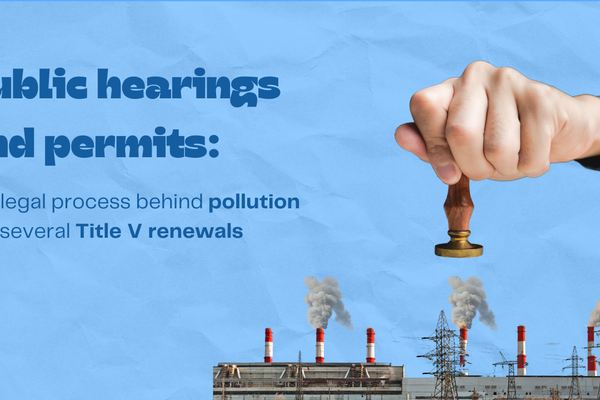
Multiple Houston-area oil and gas facilities that have violated pollution laws are seeking permit renewals

Multiple Houston-area oil and gas facilities that have violated pollution laws are seeking permit renewals

One facility has emitted cancer-causing chemicals into waterways at levels up to 520% higher than legal limits.

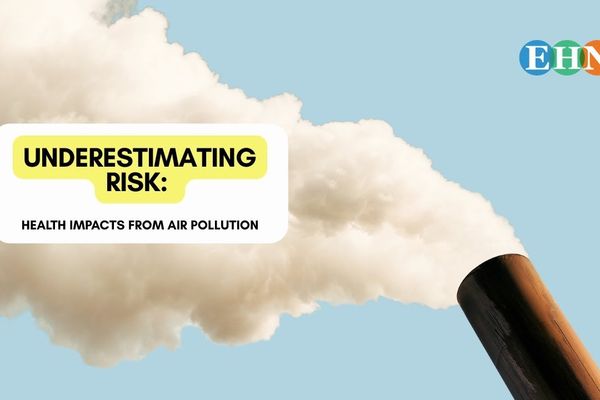
Regulators are underestimating health impacts from air pollution: Study

Regulators are underestimating health impacts from air pollution: Study

"The reality is, we are not exposed to one chemical at a time.”

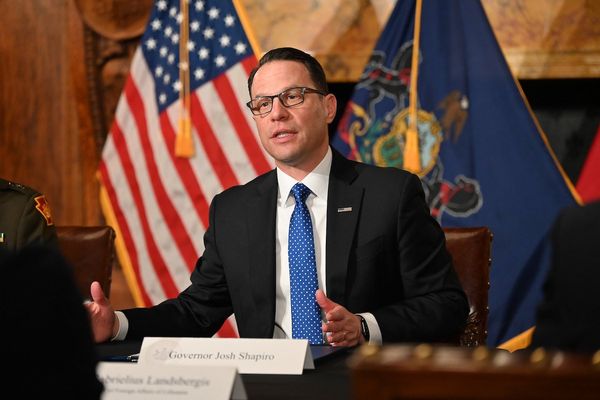
Pennsylvania governor Josh Shapiro speaks with the state flag and American flag behind him.

Two years into his term, has Gov. Shapiro kept his promises to regulate Pennsylvania’s fracking industry?

A new report assesses the administration’s progress and makes new recommendations

silhouette of people holding hands by a lake at sunset

An open letter from EPA staff to the American public

“We cannot stand by and allow this to happen. We need to hold this administration accountable.”

wildfire retardants being sprayed by plane

New evidence links heavy metal pollution with wildfire retardants

“The chemical black box” that blankets wildfire-impacted areas is increasingly under scrutiny.

Stay informed: sign up for The Daily Climate newsletter
Top news on climate impacts, solutions, politics, drivers. Delivered to your inbox week days.