Severe drought in Suriname disrupts river life and worsens food and health crises

A historic drought in Suriname’s interior has dried up rivers, slowed transport and triggered food and water shortages, leaving thousands in remote villages without essential services.

Jason Pinas reports for The Guardian.


In short:

  • River levels in Upper Suriname have dropped so low that boat trips now take an entire day instead of hours, affecting travel, trade and emergency aid.
  • Communities dependent on subsistence farming face food insecurity as crops fail and clean water sources run dry, spreading waterborne diseases.
  • Experts attribute the worsening drought to climate change, deforestation and illegal gold mining, urging immediate government intervention to manage water resources.

Key quote:

“Human activities will continue to be scaled up, and forests will continue to disappear. When you add all this up, I don’t expect things to get better.”

— Prof. Sieuwnath Naipal, hydrologist

Why this matters:

The prolonged drought threatens the survival of communities that rely on river transport, clean water and agriculture. Without adequate government response, the crisis could deepen, exacerbating health, education and food insecurity in vulnerable regions.

Learn more: Climate change worsens global water cycle, driving extreme droughts and floods

A view of people on a beach with their feet in the sand

As sand slips away, California beach towns dig in

Some Southern California beaches are losing sand. This threatens coastal towns’ identity, tourism, and infrastructure — and costs millions to replenish.

A view of Senator Mitch McConell

Mitch McConnell’s climate legacy

During his decades-long career, the retiring senator blocked climate action at every opportunity.
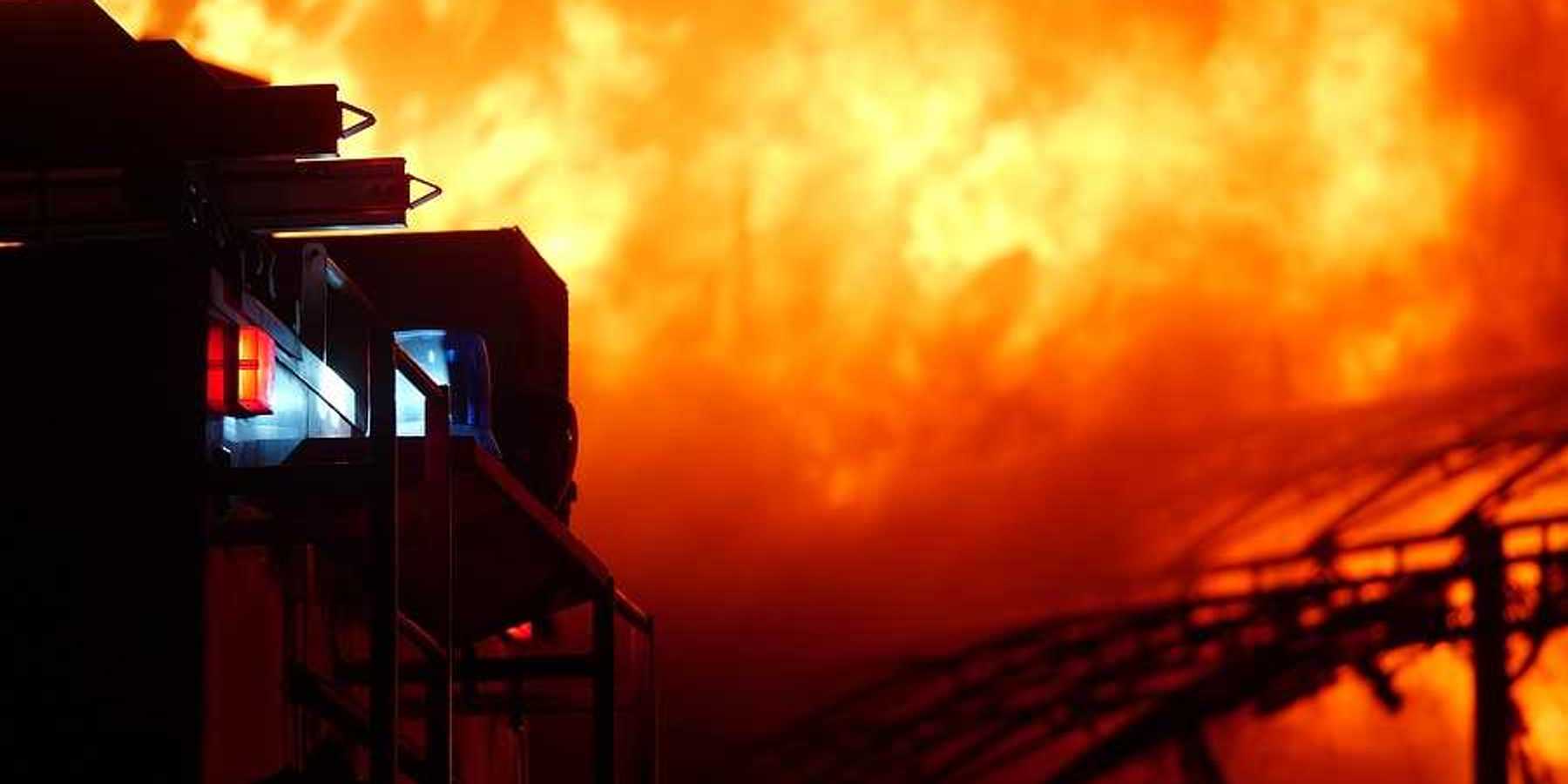
A firetruck facing an inferno with a house completely on fire

US buildings lost to wildfires could triple by 2060

The country could reduce the risk by better managing forests and housing development to account for climate change, new research suggests.
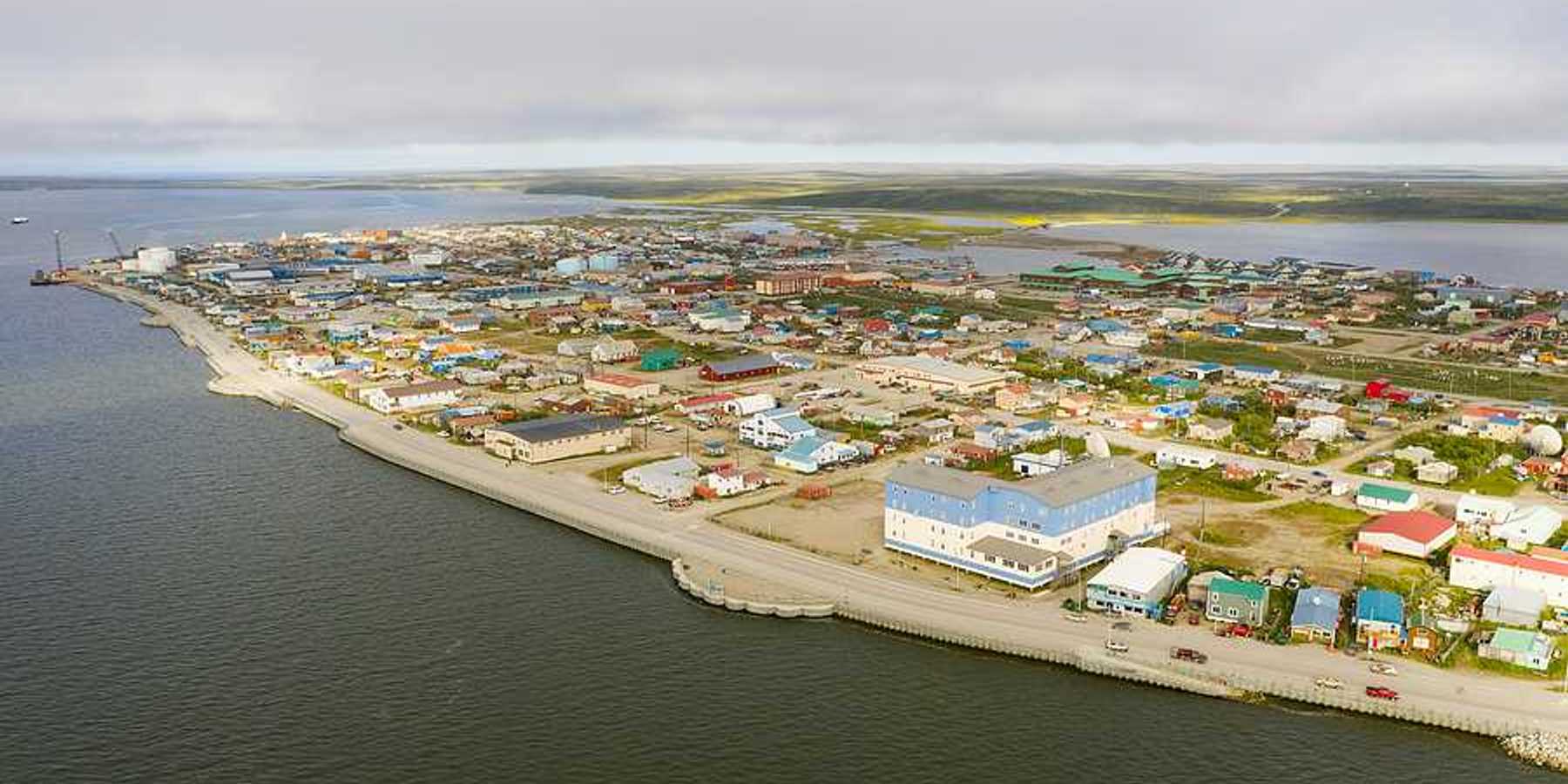
An aerial view of the Alaskan town of Kotzebue

DOGE cuts cost tribes $470M, gutting funding for climate projects

Two new reports reveal how federal funding cuts have stripped hundreds of millions of dollars from Indigenous communities, jeopardizing renewable energy projects, climate resilience efforts and tribal sovereignty.

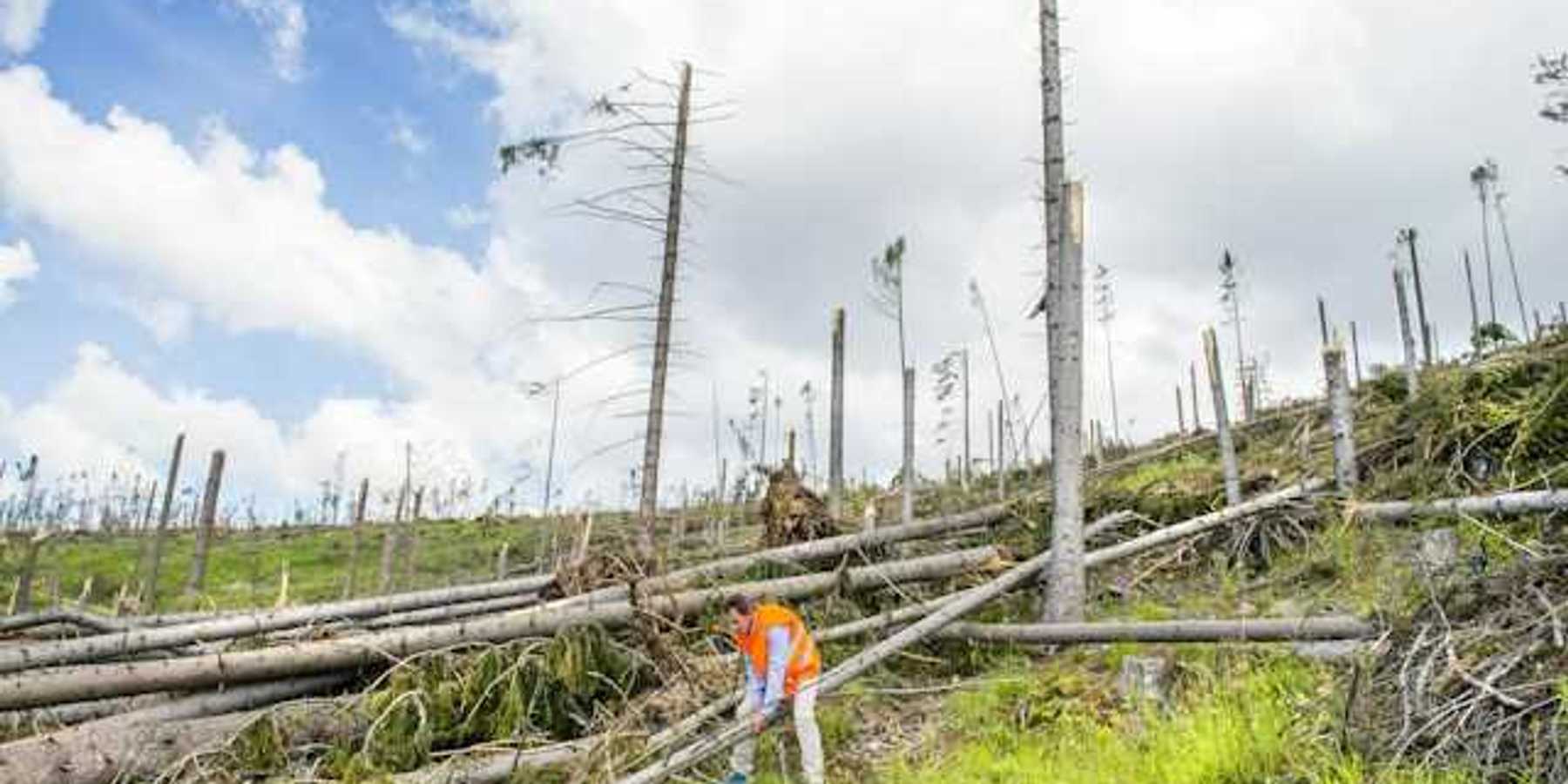
A worker standing on a hillside that has been logged

Brazil wraps up COP30 with fossil fuel, forest roadmaps, urging shift from talks to action

Brazil is ending its year-long presidency of ​the UN climate process with roadmaps aimed at curbing deforestation and accelerating a shift away from fossil fuels to help governments deliver on past ‌climate agreements.
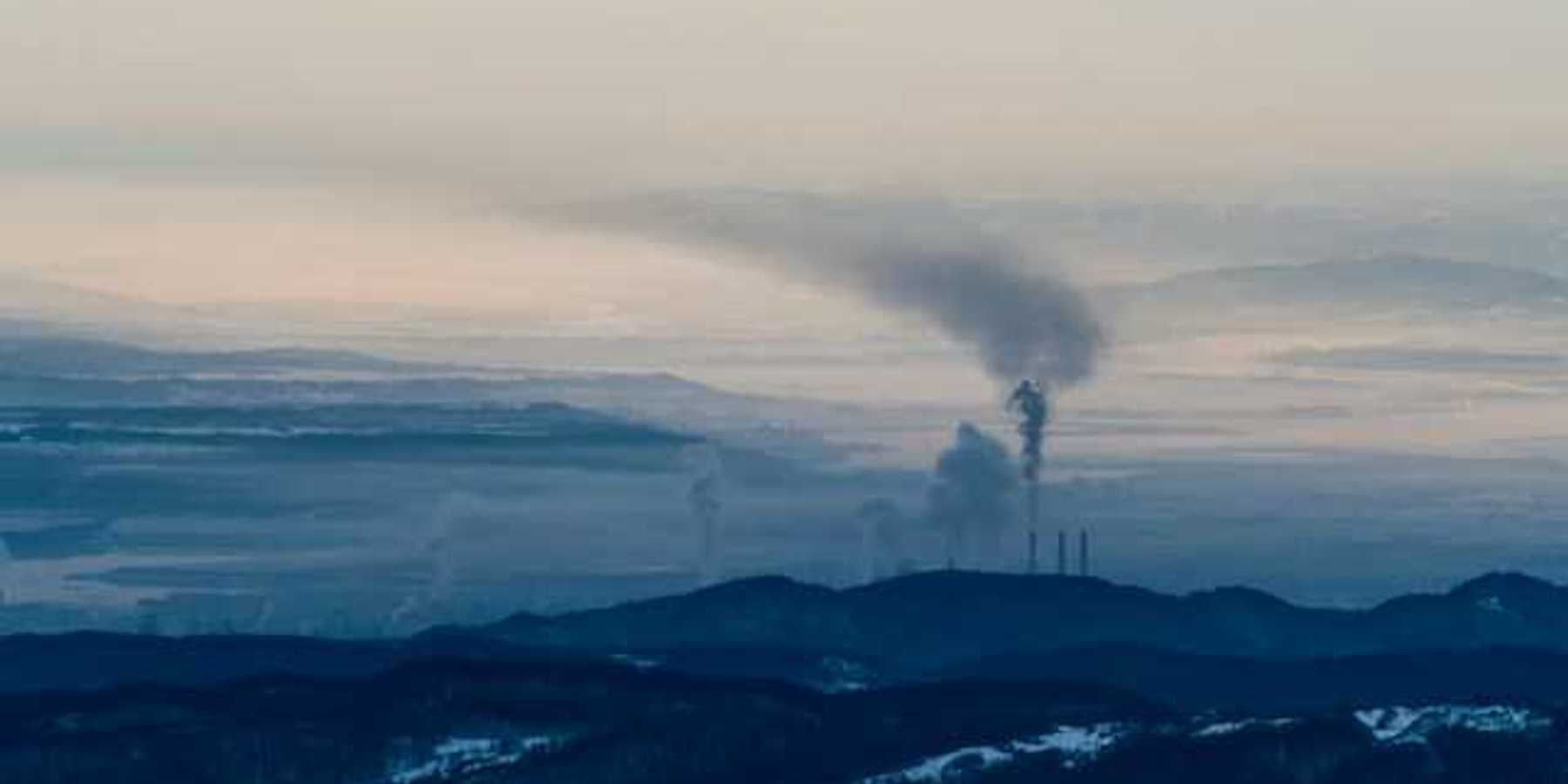
Industrial smoke from towers over a misty valley

William Nordhaus pioneered putting a price on pollution

Economist William Nordhaus said putting a price on pollution was the best way to reduce climate change. Then came the fossil fuel lobby and the anti-tax movement.
From our Newsroom
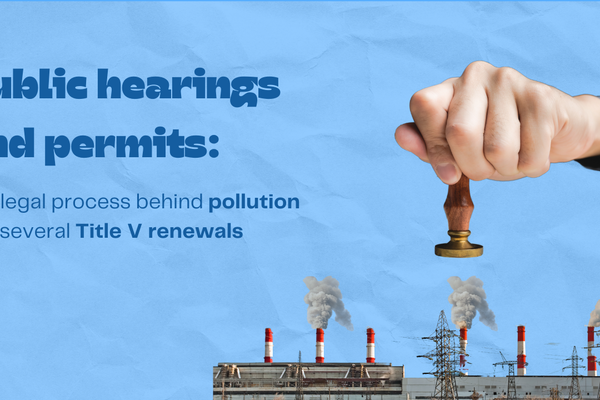
Multiple Houston-area oil and gas facilities that have violated pollution laws are seeking permit renewals

Multiple Houston-area oil and gas facilities that have violated pollution laws are seeking permit renewals

One facility has emitted cancer-causing chemicals into waterways at levels up to 520% higher than legal limits.

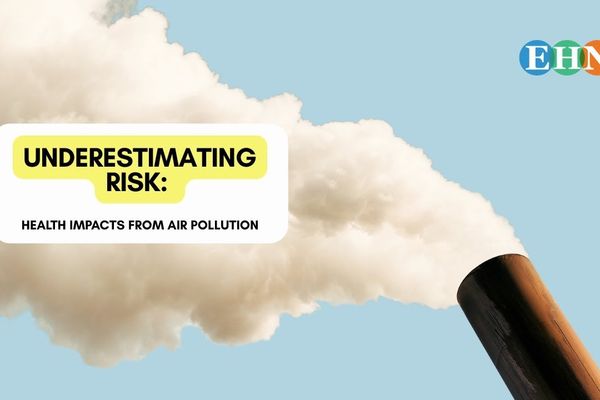
Regulators are underestimating health impacts from air pollution: Study

Regulators are underestimating health impacts from air pollution: Study

"The reality is, we are not exposed to one chemical at a time.”

Pennsylvania governor Josh Shapiro speaks with the state flag and American flag behind him.

Two years into his term, has Gov. Shapiro kept his promises to regulate Pennsylvania’s fracking industry?

A new report assesses the administration’s progress and makes new recommendations

silhouette of people holding hands by a lake at sunset

An open letter from EPA staff to the American public

“We cannot stand by and allow this to happen. We need to hold this administration accountable.”

wildfire retardants being sprayed by plane

New evidence links heavy metal pollution with wildfire retardants

“The chemical black box” that blankets wildfire-impacted areas is increasingly under scrutiny.

Stay informed: sign up for The Daily Climate newsletter
Top news on climate impacts, solutions, politics, drivers. Delivered to your inbox week days.