Some US cities are promoting themselves as climate refuges despite concerns

Climate change is prompting some cities to market themselves as safe havens from extreme weather, but experts question their ability to truly offer protection.

Mike De Socio reports for the BBC.


In short:

  • Buffalo, New York, markets itself as a "climate refuge" due to its moderate climate and low risk of extreme weather events.
  • Other cities like Duluth and Ann Arbor are also positioning themselves as climate havens to attract residents fleeing harsher climates.
  • Experts warn that no city is immune to climate change and stress the need for adaptation and infrastructure investment.

Key quote:

"I'm not saying climate change is going to be good for Buffalo, or Buffalo is going to be an oasis. We’re not an oasis, we suck less.”

— Stephen Vermette, professor of geography at Buffalo State University.

Why this matters:

As climate change worsens, more areas will become uninhabitable, pushing people to relocate. Marketing certain cities as climate havens could strain their resources and infrastructure, potentially leading to new challenges in those areas.

Snow-covered fossil fuel pipeline leading to a refinery.

How to build a pipeline in Canada’s frozen, shifting North

An oil crisis and shifting permafrost: they’re challenges now, and they were challenges in 1947, when the first pipeline was built across the North.

City of Murmansk

Worries grow in Norway as Murmansk becomes Russia's main oil export hub

Massive drone attacks this week on the major Baltic terminals of Primorsk and Ust-Luga have left Russia with few remaining routes for exporting oil, increasing reliance on the Kola Peninsula. In Norway, concerns are growing over the ecological risks posed by ageing “shadow fleet” tankers operating along the coast.
Solar panels juxtaposed against transmission lines and wind turbines
Credit: kckate16/ BigStock Photo ID: 478351339

Clean energy companies are trying to survive the Trump era

Offshore wind is out. Geothermal power is in. And many climate technology start-ups are looking for ways to carry on without federal backing.
Hazy, smoggy, smoky, urban cityscape

He helped write the Clean Air Act. He fears for its future

Thomas Jorling, adviser to Republicans who cosponsored the 1970 law, disputes the Trump administration’s claim that it shouldn’t apply to planet-warming greenhouse gases.
Mexican fishermen in Gulf of Mexico

Gulf of Mexico oil spill deals blow to fishermen

A major oil spill off the Gulf of Mexico has spread more than 373 miles or 600 kilometers across the ocean and seeped into seven nature reserves.
Barrier islands beach homes illustrative of coastal erosion

Study of past erosion-control lessons key to ongoing review

Analyzing lessons learned over decades of fighting back the ocean is critical as the North Carolina Coastal Resources Commission’s Science Panel wraps up its ongoing study of the effects of permanent beach erosion control structures such as seawalls and jetties.
An illustration of a dying tree with a long pinnochio nose

How a gas price ‘expert’ is using the Iran war to mobilize Canadians against climate action

Dan McTeague cultivates a media image as a consumer advocate while running a group urging people to fight against climate policies.
From our Newsroom
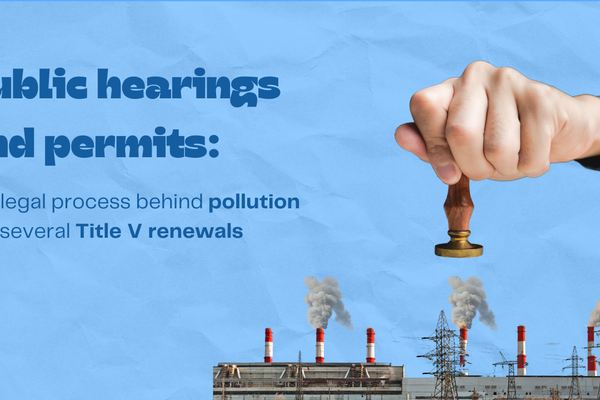
Multiple Houston-area oil and gas facilities that have violated pollution laws are seeking permit renewals

Multiple Houston-area oil and gas facilities that have violated pollution laws are seeking permit renewals

One facility has emitted cancer-causing chemicals into waterways at levels up to 520% higher than legal limits.

Regulators are underestimating health impacts from air pollution: Study

Regulators are underestimating health impacts from air pollution: Study

"The reality is, we are not exposed to one chemical at a time.”

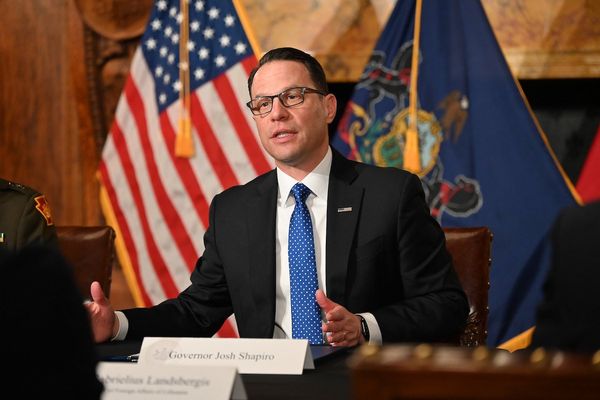
Pennsylvania governor Josh Shapiro speaks with the state flag and American flag behind him.

Two years into his term, has Gov. Shapiro kept his promises to regulate Pennsylvania’s fracking industry?

A new report assesses the administration’s progress and makes new recommendations

silhouette of people holding hands by a lake at sunset

An open letter from EPA staff to the American public

“We cannot stand by and allow this to happen. We need to hold this administration accountable.”

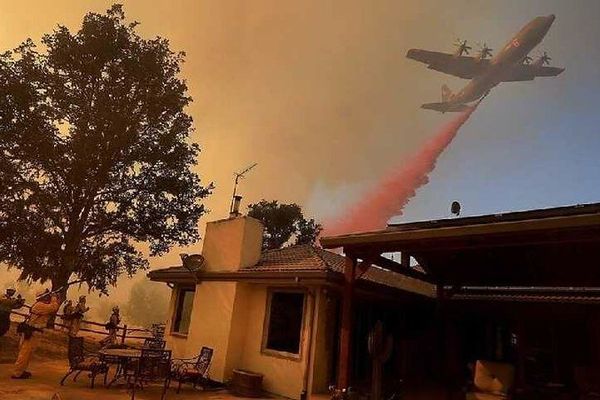
wildfire retardants being sprayed by plane

New evidence links heavy metal pollution with wildfire retardants

“The chemical black box” that blankets wildfire-impacted areas is increasingly under scrutiny.

Stay informed: sign up for The Daily Climate newsletter
Top news on climate impacts, solutions, politics, drivers. Delivered to your inbox week days.