Southern California faces a growing wildfire threat but remains unprepared

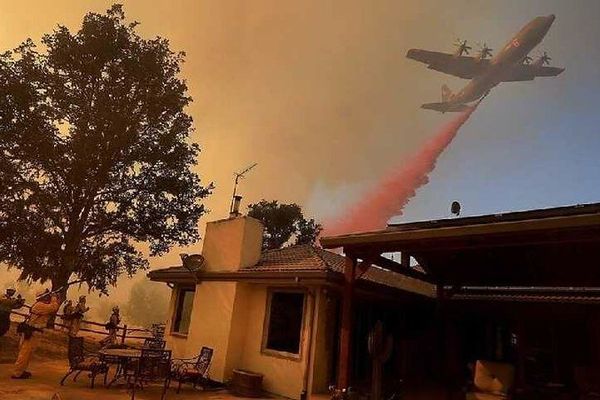
Southern California continues to experience devastating wildfires, but residents remain surprisingly unprepared despite living in one of the nation's most disaster-prone regions.

Conor Friedersdorf reports for The Atlantic.


In short:

  • Wildfires have recently burned almost 200 square miles, forcing evacuations and destroying homes across Southern California.
  • Surveys show that a majority of Californians are not prepared for natural disasters, even though many recognize the risks.
  • The region's mild climate may lead to a false sense of security, with residents often forgetting the dangers between fire seasons.

Key quote:

“Los Angeles County scores 100 out of 100, making it the riskiest locale in the nation.”

— ClaimGuide report

Why this matters:

Wildfires are becoming more frequent and destructive, yet public preparedness lags behind. This ongoing lack of preparation leaves the region vulnerable not only to fires but also to secondary disasters like mudslides, which can follow in burned areas during the rainy season.

Related EHN coverage:
An oil tower with flames during a gas flare against a blue sky

Equipment issue led to excessive LNG Canada flaring, docs reveal

LNG Canada delayed reporting ‘integrity issue’ to regulators and never fully informed the public, while locals raised concerns about noise, smoke and emissions.

an underwater view of a coral reef with fish

Great Barrier Reef and climate change: See the largest effort to save Australia’s gem

Australia’s Reef Restoration and Adaptation Program is racing to keep the Great Barrier Reef alive by collecting coral spawn at sea and breeding millions of baby corals in high-tech tanks for reseeding.

A teal calculator rests on a white surface.

New calculator shows exactly how much environmental damage is behind your internet searches

The internet is responsible for 3.7 per cent of global carbon emissions, outpacing air travel. If the internet were a country, it would be the fourth-largest polluter in the world.

A man wearing a hard hat standing in front of solar panels

The consequences of Trump's war on climate in 7 charts

Seven snapshots reveal how climate rollbacks altered the trajectory of U.S. energy, environmental protection, and economic security.
Two people wearing protective gear looking at a laptop in front of a mining waste pond

In hunt for rare earths, companies are scouring mining waste

Tailings and acid mine drainage from mines contain critical minerals needed for clean energy technologies; now, researchers are developing new techniques for retrieving these key metals.

A hospital worker in a cafeteria kitchen

Morrison Healthcare recognized as one of modern healthcare’s Best in Business Winners for sustainability

Morrison Healthcare has been named a Modern Healthcare Best in Business winner for sustainability, recognizing its plant-forward culinary strategy and efforts to cut carbon emissions across hospital food systems.

brown concrete building under blue sky during daytime

Climate change and health

Climate change, combined with other natural and human-made stressors, is intensifying existing health threats and creating new ones, with impacts varying by age, income, and location.

From our Newsroom
Multiple Houston-area oil and gas facilities that have violated pollution laws are seeking permit renewals

Multiple Houston-area oil and gas facilities that have violated pollution laws are seeking permit renewals

One facility has emitted cancer-causing chemicals into waterways at levels up to 520% higher than legal limits.

Regulators are underestimating health impacts from air pollution: Study

Regulators are underestimating health impacts from air pollution: Study

"The reality is, we are not exposed to one chemical at a time.”

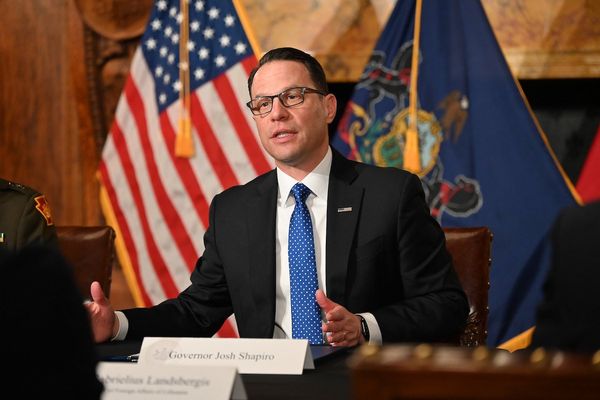
Pennsylvania governor Josh Shapiro speaks with the state flag and American flag behind him.

Two years into his term, has Gov. Shapiro kept his promises to regulate Pennsylvania’s fracking industry?

A new report assesses the administration’s progress and makes new recommendations

silhouette of people holding hands by a lake at sunset

An open letter from EPA staff to the American public

“We cannot stand by and allow this to happen. We need to hold this administration accountable.”

wildfire retardants being sprayed by plane

New evidence links heavy metal pollution with wildfire retardants

“The chemical black box” that blankets wildfire-impacted areas is increasingly under scrutiny.

Stay informed: sign up for The Daily Climate newsletter
Top news on climate impacts, solutions, politics, drivers. Delivered to your inbox week days.