State Farm seeks steep rate hike after devastating Los Angeles fires

The largest insurer in California is asking state regulators to approve a 22% rate increase, citing mounting wildfire losses that have already cost over $1 billion in claims.

Anna Phillips reports for The Washington Post.


In short:

  • State Farm says the recent Los Angeles fires are the most expensive in company history and could further weaken its finances, which have already led to a credit downgrade.
  • The company has paid out over $1 billion in claims from the fires and expects to pay much more, warning that failure to raise rates could put 2.8 million policies at risk.
  • California law requires regulatory approval for rate hikes over 7%, and previous insurer exits from the state have pushed many homeowners to rely on the state-backed Fair Plan.

Key quote:

“Insurance will cost more for customers in California going forward because the risk is greater in California.”

— State Farm statement

Why this matters:

Wildfires are becoming more frequent and severe, driving up insurance costs and leaving homeowners with fewer coverage options. If insurers continue withdrawing from high-risk areas, more residents may struggle to find affordable insurance, threatening financial stability in fire-prone communities.

Related: California plans significant changes to insurance rules as wildfires increase risk

President Donald Trump speaking into a microphone
Credit: Gage Skidmore/https://www.flickr.com/photos/gageskidmore/https://creativecommons.org/licenses/by-sa/4.0/

Trump taking ‘drill, baby, drill’ plan to Venezuela ‘terrible’ for climate, experts warn

‘Everybody loses’ if production is supercharged in a country with the largest known oil reserves, critics say.

A refinery at night in front of a water source

What Trump’s Venezuela strategy means for Black communities

Environmental justice advocates warn that refining Venezuelan oil will concentrate more pollution and cancer risk in majority-Black communities along the Texas and Louisiana Gulf Coast.

A technician working on a heat pump installed on the side of a home
Credit: Virrage Images/Big Stock Photo

7 numbers that explain why the future of buildings is all-electric

Key indicators, from the cost of fossil gas to the number of heat pumps sold, signal building decarbonization will march onward in the U.S. despite challenges.

A person wearing blue gloves soldering wire onto a lithium-ion battery
Credit: Fahroni/Big Stock Photo

Old but full of energy: Giving EV batteries a second life

How Moment Energy harvests and puts to work batteries from worn-out electric cars.
 A simple model of an atom on a blue background
Copyright: StefanieSchubbert/ BigStock Photo ID: 124679117

Optimism about nuclear energy is rising again. Will it last?

Companies like Kairos Power are building new types of reactors with the encouragement of the Trump administration, but their success is far from assured.
An illustration of a turtle with plastic in its mouth, surrounded by plastic bottles

Microplastics are undermining the ocean’s ability to absorb carbon

Research reveals microplastics may impair the ocean’s ability to absorb carbon dioxide, weakening a natural buffer against climate change.
Dense seagrass meadow of Neptune grass

Change in Chesapeake’s grass beds means less ‘fish food’

A transformation in the seagrass meadows hidden under the surface of the Chesapeake Bay may have huge implications for fish and crabs living in the estuary.
From our Newsroom
Multiple Houston-area oil and gas facilities that have violated pollution laws are seeking permit renewals

Multiple Houston-area oil and gas facilities that have violated pollution laws are seeking permit renewals

One facility has emitted cancer-causing chemicals into waterways at levels up to 520% higher than legal limits.

Regulators are underestimating health impacts from air pollution: Study

Regulators are underestimating health impacts from air pollution: Study

"The reality is, we are not exposed to one chemical at a time.”

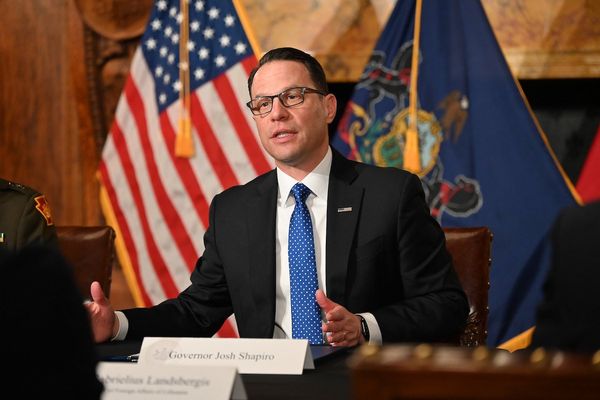
Pennsylvania governor Josh Shapiro speaks with the state flag and American flag behind him.

Two years into his term, has Gov. Shapiro kept his promises to regulate Pennsylvania’s fracking industry?

A new report assesses the administration’s progress and makes new recommendations

silhouette of people holding hands by a lake at sunset

An open letter from EPA staff to the American public

“We cannot stand by and allow this to happen. We need to hold this administration accountable.”

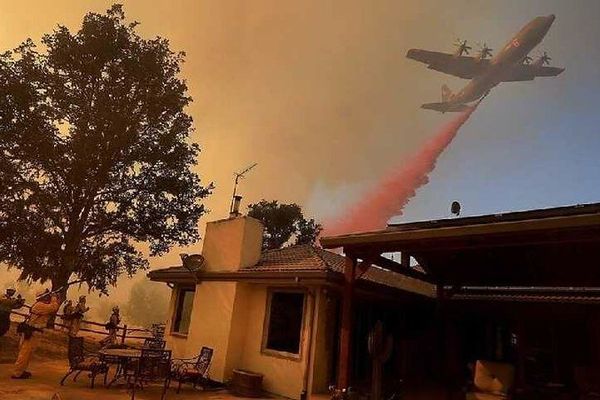
wildfire retardants being sprayed by plane

New evidence links heavy metal pollution with wildfire retardants

“The chemical black box” that blankets wildfire-impacted areas is increasingly under scrutiny.

Stay informed: sign up for The Daily Climate newsletter
Top news on climate impacts, solutions, politics, drivers. Delivered to your inbox week days.