
conservation

Newsletter
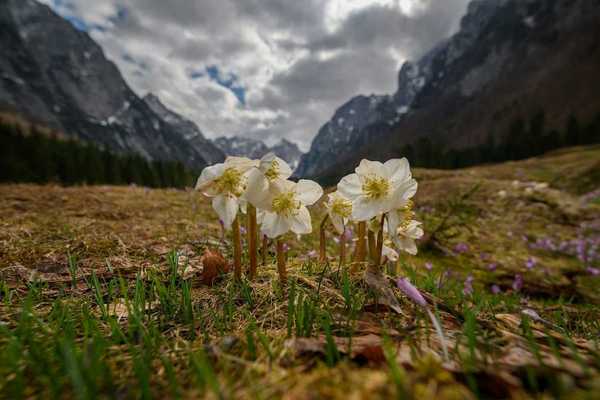
Credit: Ales Krivec/Unsplash+
Rise of the shrubs: What happened when scientists heated a Rocky Mountain wildlife meadow by 2C?
A long-running experiment in Colorado provides an ‘alarming’ view of how rapidly unchecked global heating could transform fragile ecosystems.
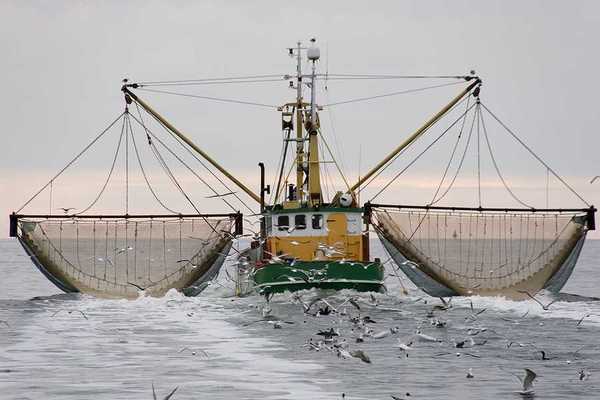
Credit: rbouwman/BigStock Photo ID:1642028
‘It smells like a rancid fish and chip shop’: at sea with the Antarctic’s krill supertrawlers
The fishery is regulated but experts say it is wrecking the food chain. Gordon Peake joined a Sea Shepherd mission to observe the giant ships compete for catch.
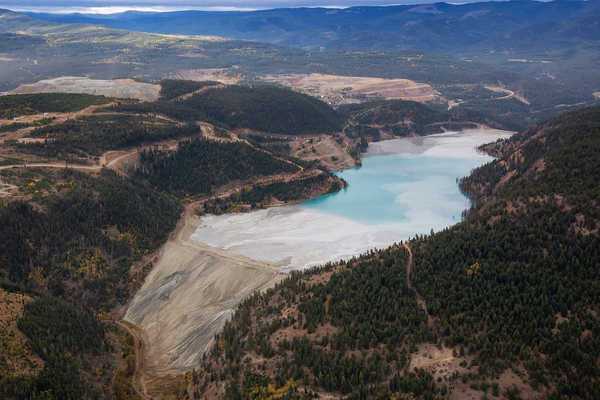
Credit: Edgar Bullon/BigStock Photo ID: 343343230
Mining’s toxic timebomb: dams full of poisonous waste are dotted around the world. What happens when they burst?
While tailings dams are meant to last for ever, extreme weather events are making many unstable – with devastating consequences for nature and humans
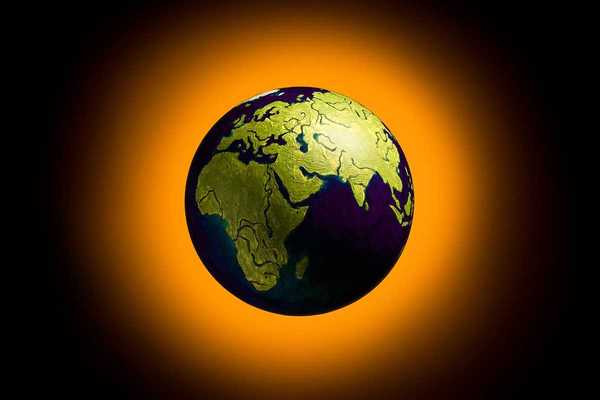
Credit: izmeda/ BigStock Photo ID: 349738711
Opinion: The UK government didn’t want you to see this report on ecosystem collapse. I’m not surprised
It took an FOI request to bring this national security assessment to light. For ‘doomsayers’ like us, it is the ultimate vindication, says Guardian columnist George Monbiot.
Newsletter
Biden faces pressure to increase Arctic conservation efforts
Over 50 Democratic lawmakers are urging the Biden administration to expand protections in the Arctic, citing growing climate concerns and threats from development.
In short:
- Led by Sen. Ed Markey and Rep. Jared Huffman, the group called on the Interior Department to expand federal protections for Arctic Special Areas.
- The Interior Department is reviewing whether to increase protections across 23 million acres, having already safeguarded 13 million acres in April.
- Lawmakers stress that climate change and development are severely impacting wildlife and indigenous subsistence areas in the Arctic.
Key quote:
“This opportunity to take a renewed look at needed protections is especially timely, as the effects of climate change in the Arctic — from declining sea ice, permafrost thaw, and record temperatures — are felt more acutely than ever before and new extractive development encroaches more and more into important habitat and subsistence areas.”
— letter from more than 50 congressional Democrats
Why this matters:
Rapid Arctic warming and increased industrial activities threaten fragile ecosystems and indigenous communities. Additional protections could prevent further damage, particularly as critical wildlife and plant habitats shrink.
Keep reading...Show less
Conservationists work to protect Alabama’s vital delta from climate change and development
Alabama's Mobile-Tensaw Delta, one of North America's most ecologically diverse areas, faces growing threats from climate change and development, prompting conservationists to act.
In short:
- The Mobile-Tensaw Delta is home to over 350 fish species and hundreds of bird species, making it one of the most biodiverse regions in North America.
- Conservation efforts focus on acquiring land, restoring ecosystems and altering dams to protect fish habitats and mitigate climate change impacts.
- Advocates emphasize the importance of collaboration between private landowners, government agencies and conservation groups.
Key quote:
“We’re losing things that haven’t been discovered, and there are things still here that we think are gone.”
— Ben Raines, environmental fellow at the University of South Alabama.
Why this matters:
The delta’s health is crucial to the survival of many species and the ecosystem of the Gulf of Mexico. Protecting it ensures the preservation of one of the most biologically diverse areas in the United States.
Related EHN coverage:
Keep reading...Show less
Scientists suggest storing Earth's biodiversity on the moon
Faced with mounting extinction threats, scientists propose a lunar biorepository to preserve Earth’s biodiversity as a safeguard against climate change and other disasters.
In short:
- A team of international experts has suggested creating a lunar vault to store frozen biological samples of endangered species, offering a backup against terrestrial threats like climate change and war.
- The moon’s cold environment could preserve these samples without human intervention, ensuring they remain viable for future cloning and biodiversity restoration efforts.
- Although costly and challenging, the proposal aims to protect biodiversity while urging continued efforts to preserve species on Earth.
Key quote:
“If you say: I’m going to do it this way, and it doesn’t work, what’s plan B?”
— Dr. Mary Hagedorn, Smithsonian’s national zoo and conservation biology institute
Why this matters:
As climate change and habitat loss accelerate species extinction, safeguarding biodiversity becomes crucial for the planet's ecological balance. A lunar biorepository offers a unique but controversial solution by protecting genetic material from disasters that threaten Earth's existing conservation efforts.
Related EHN coverage:
Keep reading...Show less
ORIGINAL REPORTING


MOST POPULAR

CLIMATE