Texas lawmakers move to restrict growth of wind and solar power

Texas and other Republican-led states are advancing legislation that could slow or block new renewable energy projects, as political momentum shifts back toward fossil fuels.

David Montgomery reports for Stateline.


In short:

  • Despite Texas leading the nation in wind and solar electricity generation, lawmakers have filed dozens of bills this session to curb new renewable projects and require stricter permitting than for fossil fuels.
  • Similar efforts are advancing in Oklahoma, Arizona, Ohio, and Missouri, with proposed restrictions ranging from setbacks to zoning bans and new taxes on landowners who lease to renewables.
  • Rural communities remain divided, with some residents opposing wind and solar over aesthetics and land use, while others benefit from tax revenue and lease payments supporting schools and local infrastructure.

Key quote:

"When we look out across the road, we see rolling green pastures and trees. Now we’re facing the possibility of that view and so much more being replaced by a sprawling solar farm."

— Laurie Dihle, who lives on 154 acres in Franklin County with her husband

Why this matters:

Once defined by oil derricks and gas flares, Texas now produces more electricity from wind and solar than any other in the country — an economic pivot that’s redrawing rural skylines and intensifying political divides. In communities long reliant on fossil fuels, some residents see wind turbines and solar farms as threats to local identity and land use traditions, prompting state lawmakers to consider restrictions on clean energy development. The clash has revealed deeper tensions over who benefits from, and who bears the burdens of, the energy transition. At the same time, extreme weather events — exacerbated by climate change — are testing the reliability of Texas’ aging grid. Federal incentives have accelerated renewable investment, but local resistance could complicate how, and where, the clean energy future unfolds.

Read more: Texas leads U.S. in solar and battery storage growth
A group of health professionals reviewing a case file

Patients overwhelmingly favor environmentally sustainable healthcare, survey finds

A survey of more than 5,000 patients found strong support for environmentally responsible practices in healthcare, with most respondents linking environmental health to their own well-being.

United States Environmental Protection Agency (EPA) sign at the headquarters building in Washington, DC.
Credit: marcnorman/ BigStock Photo ID: 21123533

How Lee Zeldin shifted the mission — and the message — of the EPA

More than any administrator in decades, Lee Zeldin talks about the Environmental Protection Agency's work in economic terms, reflecting President Trump’s desire to boost industry while downplaying environmental consequences.
The facade of the White House on a sunny day

How the Trump administration’s climate math doesn’t add up

There's an old argument that protecting the environment hurts the economy. It's wrong for a lot of reasons.
power plant towers with smoke emitting from the top

Trump EPA proposes loosening restrictions on toxic coal ash disposal

Federal regulators have proposed a rule that would loosen restrictions on the storage of toxic waste that is created by burning coal to produce electricity, a move that critics say favors industry interests over public health.

Palm trees in front of tall buildings blowing in hurricane gales

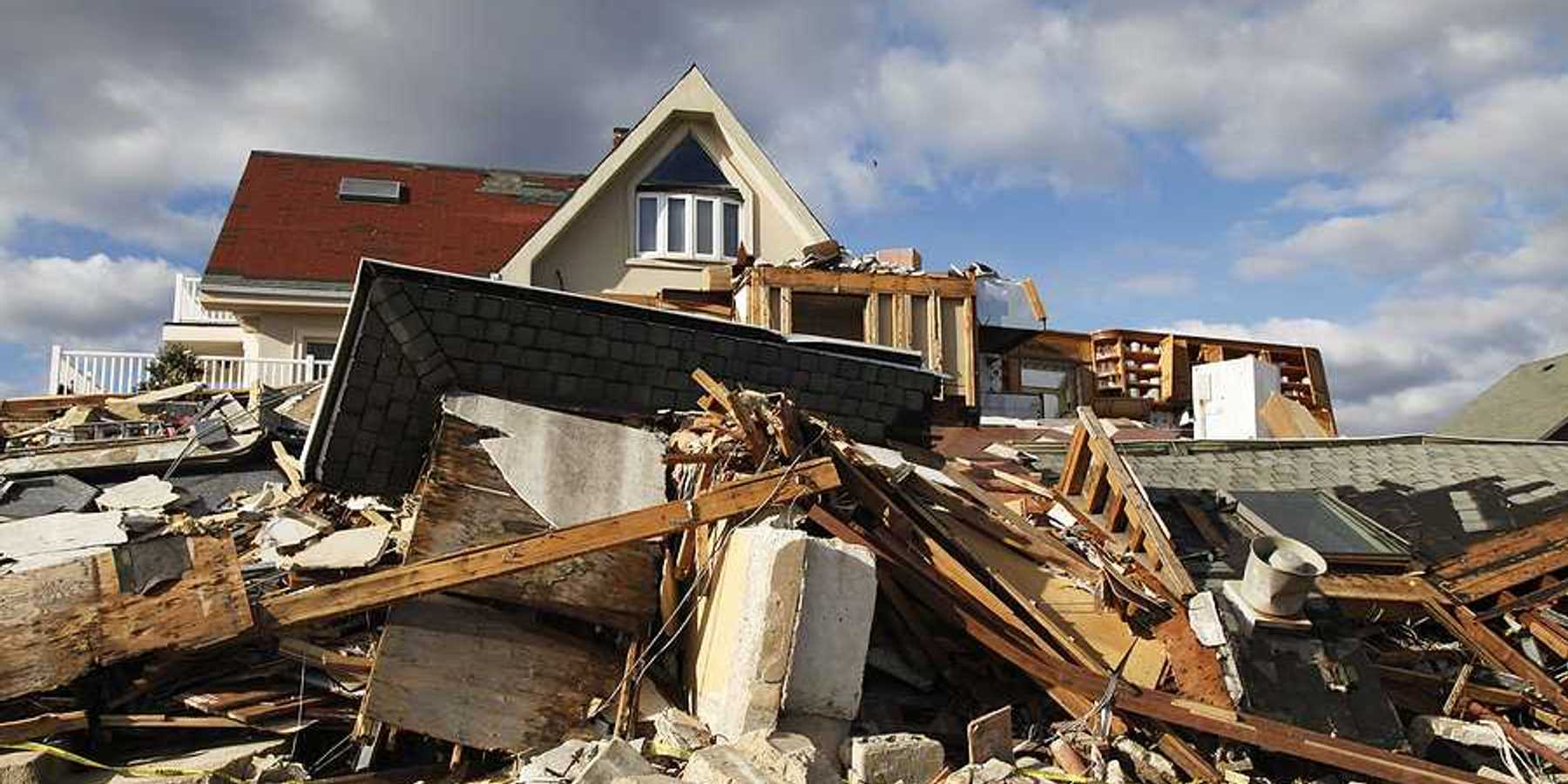
The emerging danger of post-hurricane heat waves

With global warming making people increasingly dependent on air conditioning, power failures from hurricanes followed by heat waves are creating increasingly hazardous risks to health.
Red and blue DNA strands

Scientists use DNA in efforts to help species adapt to climate change

As climate change outpaces the ability of ecosystems to adapt, scientists are turning to conservation genomics to guide restoration.
A tropical location with palm trees and the sunset in the background
Credit: Hans/Unsplash+

Tropics take the brunt as hotter oceans drive large-scale humid heat waves: study

As climate change intensifies, people around the world are learning firsthand how dangerous high temperatures can be, and prolonged heat becomes even more dangerous, and deadly, when paired with high humidity.

From our Newsroom
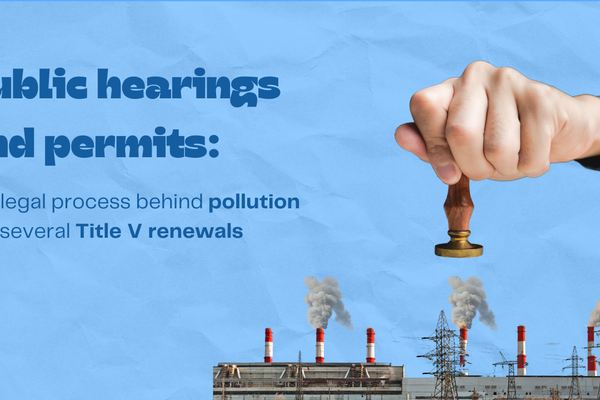
Multiple Houston-area oil and gas facilities that have violated pollution laws are seeking permit renewals

Multiple Houston-area oil and gas facilities that have violated pollution laws are seeking permit renewals

One facility has emitted cancer-causing chemicals into waterways at levels up to 520% higher than legal limits.

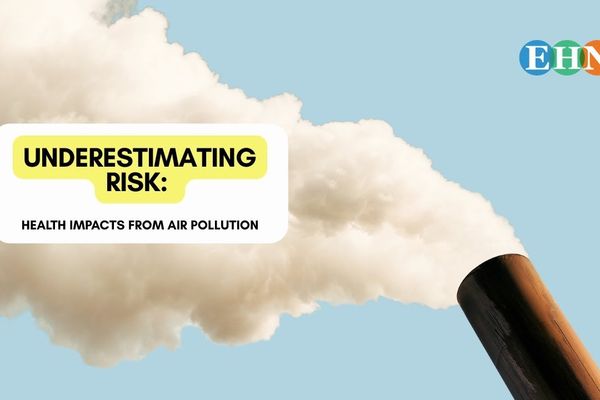
Regulators are underestimating health impacts from air pollution: Study

Regulators are underestimating health impacts from air pollution: Study

"The reality is, we are not exposed to one chemical at a time.”

Pennsylvania governor Josh Shapiro speaks with the state flag and American flag behind him.

Two years into his term, has Gov. Shapiro kept his promises to regulate Pennsylvania’s fracking industry?

A new report assesses the administration’s progress and makes new recommendations

silhouette of people holding hands by a lake at sunset

An open letter from EPA staff to the American public

“We cannot stand by and allow this to happen. We need to hold this administration accountable.”

wildfire retardants being sprayed by plane

New evidence links heavy metal pollution with wildfire retardants

“The chemical black box” that blankets wildfire-impacted areas is increasingly under scrutiny.

Stay informed: sign up for The Daily Climate newsletter
Top news on climate impacts, solutions, politics, drivers. Delivered to your inbox week days.