The Department of Energy’s ties to the plastics industry raise conflict concerns

The U.S. Department of Energy’s partnership with a major plastics lobbying group has fueled concerns that the agency is prioritizing industry-backed chemical recycling over broader efforts to reduce plastic production.

Joseph Winters and Emily Sanders report for Grist.


In short:

  • In 2020, the Department of Energy (DOE) signed a five-year agreement with the American Chemistry Council to collaborate on plastics recycling, including controversial chemical recycling methods.
  • Critics argue the partnership has led to industry-influenced research and funding, with little transparency about decision-making or public input.
  • Despite doubts about chemical recycling’s feasibility, the DOE has invested millions in research, aligning with the petrochemical industry’s push to justify continued plastic production.

Key quote:

“There’s no transparency on how DOE is developing their policies around plastic waste. They seem very much in line with the industry agenda that's clearly formalized in the memorandum of understanding.”

— Daniel Rosenberg, director of federal toxics policy at the Natural Resources Defense Council

Why this matters:

Chemical recycling has yet to prove viable at scale, but industry-backed studies promote it as a solution to plastic pollution. The DOE’s support for these efforts may divert attention from more effective waste reduction strategies. A lack of transparency raises questions about whether public funds are being used in the public’s best interest or to serve corporate agendas.

Read more from EHN:

A row of wind turbines alongside a field

The real economic impact of clean energy

US energy chief Chris Wright claims that renewable energy is dragging down Europe's economy. Is that true?
Power plant with smoke and dirty orange air.
Credit: Mikhail Dudarev/BigStock Photo ID: 14021453

Study: 2025 emissions rise due to Trump-era policies

Emissions of sulfur dioxide increased by 18% in 2025, according to an analysis of U.S. Environmental Protection Agency data by the Natural Resources Defense Council, an environmental advocacy group.

The U.S. capitol building

Trump's climate silence at the longest-ever State of the Union

The president’s far-reaching speech ignored climate change but not its impacts.
Illustration depicting pumpjacks vs solar panels & wind turbines
Credit: MIRO3D/BigStock Photo ID: 147195269

The culture war is coming for your electricity

Utah Republicans are calling for an energy "divorce" from blue states. A major utility just granted part of their wish.
Portable balcony solar panel

Balcony solar is taking state legislatures by storm

In more than half of U.S. states, Republican and Democratic lawmakers have introduced legislation that would boost adoption of DIY solar systems.
A closeup of pieces of wheat bread

Breadcrumbs (literally) lay path away from fossil fuels

Researchers have developed a carbon-negative method for hydrogenation that uses bacteria fed on waste bread to generate hydrogen for chemical reactions.

Refinery and petrochemical industrial plant
Credit: Tee Theerapol/BigStock Photo ID: 60783539

An oil refinery defined life in this quaint California city. What happens when it’s gone?

For decades, the Valero refinery shaped Benicia’s economy, politics and health. Now the city has become a reluctant test case of whether an oil town can reinvent itself
From our Newsroom
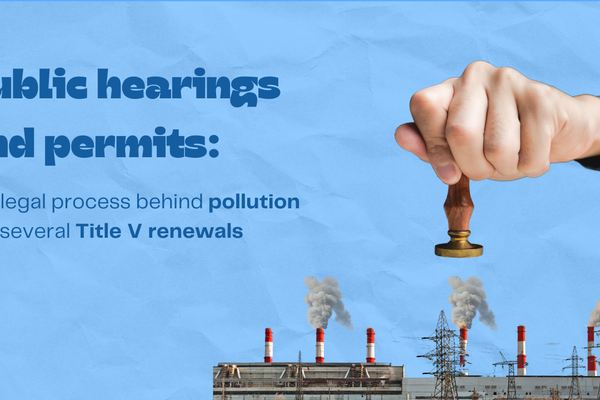
Multiple Houston-area oil and gas facilities that have violated pollution laws are seeking permit renewals

Multiple Houston-area oil and gas facilities that have violated pollution laws are seeking permit renewals

One facility has emitted cancer-causing chemicals into waterways at levels up to 520% higher than legal limits.

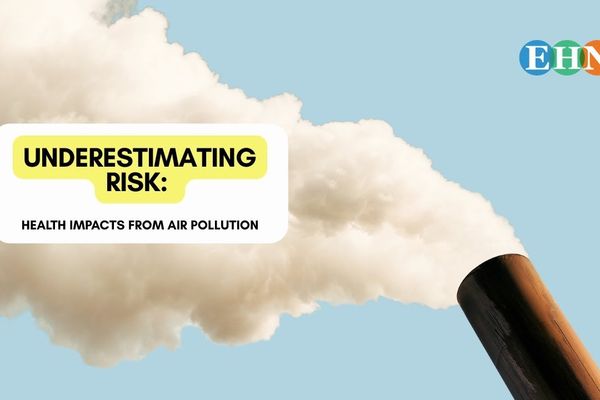
Regulators are underestimating health impacts from air pollution: Study

Regulators are underestimating health impacts from air pollution: Study

"The reality is, we are not exposed to one chemical at a time.”

Pennsylvania governor Josh Shapiro speaks with the state flag and American flag behind him.

Two years into his term, has Gov. Shapiro kept his promises to regulate Pennsylvania’s fracking industry?

A new report assesses the administration’s progress and makes new recommendations

silhouette of people holding hands by a lake at sunset

An open letter from EPA staff to the American public

“We cannot stand by and allow this to happen. We need to hold this administration accountable.”

wildfire retardants being sprayed by plane

New evidence links heavy metal pollution with wildfire retardants

“The chemical black box” that blankets wildfire-impacted areas is increasingly under scrutiny.

Stay informed: sign up for The Daily Climate newsletter
Top news on climate impacts, solutions, politics, drivers. Delivered to your inbox week days.