The US pushes for uranium production to reduce reliance on Russian imports

The U.S. is ramping up domestic uranium mining to meet rising energy demands while decreasing its reliance on Russian supplies, but Indigenous communities fear the environmental and health risks of renewed mining near their homes.

Ivan Penn and Rebecca F. Elliott report for The New York Times.


In short:

  • The U.S. is boosting uranium production to fuel nuclear energy and cut dependence on Russian supplies after the Ukraine invasion.
  • Communities near mines, including Native American tribes, worry about contamination and long-term health effects from radioactive materials.
  • Despite improved safety regulations, some areas still face lingering environmental hazards from past mining activity.

Key quote:

“I doubt the town’s ever coming back. Nobody wants to live someplace like this.”

— Byron T. Seeley, resident of Jeffrey City, Wyoming

Why this matters:

While nuclear energy has undeniable potential to help combat climate change, the question is whether the mining industry can truly prioritize health and environmental justice as it scales up. For many of these communities, the scars of past negligence raise serious doubts. Read more: Kevin Patterson on Indigenous communities’ heavy metal exposure.

A group of cattle looking into the camera

Northern Ontario farmers are benefitting from climate change

Warmer days and longer growing seasons are making northern regions in Ontario and the Prairies more hospitable for cattle farms, but grocery bills haven’t caught up.

A row of solar panels atop green fields

California farmers want to turn water‑starved land into solar power

A massive plan would turn 136,000 acres of California farmland into giant solar farms as new groundwater rules push fields out of production.
An oil pump jack against a starry sky

Drill, baby, drill? US, China fight for the future of energy

The Strait of Hormuz blockade is having a major impact on global energy markets, and many observers believe that rising fuel prices will boost renewable energies.

An aerial view of a dry orchard

The world is getting too hot to feed itself

A new UN report maps how extreme heat is tearing through every layer of the global food system — and mostly overlooks the people at the heart of it.

A view of the Chicago skyline with the lake in the foreground

Drought causing ongoing concerns, legislative hearings about Illinois water supply

Months of drought and hot temperatures have impacted water levels in Illinois, leading to concerns about water supply.

Miami South beach street flood aftermath of Hurricane Sandy on october 28 2012 in Miami South Beach
Credit: meunierd/BigStock Photo ID: 39136111

Trump’s environmental cuts further marginalize vulnerable communities

In Florida, majority Black and brown communities face hotter temperatures, rising seas and more damaging storms. One advocacy group is considering other ways of helping them.
Figure kneeling on paddleboard with a dozen wind turbines in background

Trump’s rejection of wind projects scrambles GOP politics before midterms

President Donald Trump's attempts to cancel offshore wind projects have drawn opposition not only from environmentalists but also from Republicans.
From our Newsroom
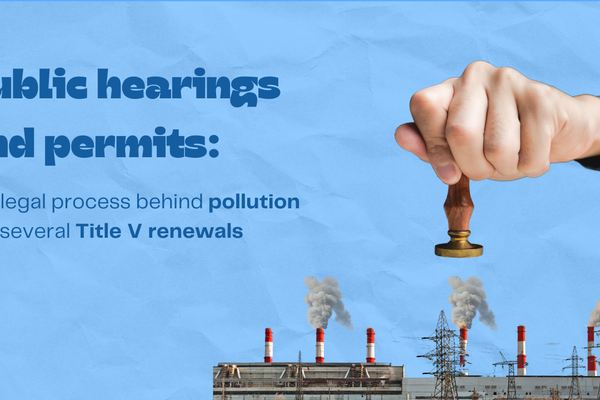
Multiple Houston-area oil and gas facilities that have violated pollution laws are seeking permit renewals

Multiple Houston-area oil and gas facilities that have violated pollution laws are seeking permit renewals

One facility has emitted cancer-causing chemicals into waterways at levels up to 520% higher than legal limits.

Regulators are underestimating health impacts from air pollution: Study

Regulators are underestimating health impacts from air pollution: Study

"The reality is, we are not exposed to one chemical at a time.”

Pennsylvania governor Josh Shapiro speaks with the state flag and American flag behind him.

Two years into his term, has Gov. Shapiro kept his promises to regulate Pennsylvania’s fracking industry?

A new report assesses the administration’s progress and makes new recommendations

silhouette of people holding hands by a lake at sunset

An open letter from EPA staff to the American public

“We cannot stand by and allow this to happen. We need to hold this administration accountable.”

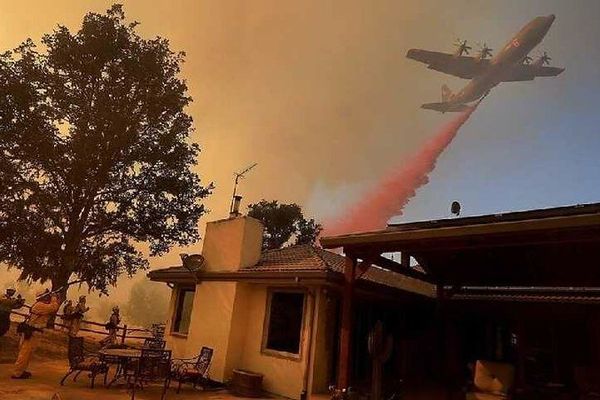
wildfire retardants being sprayed by plane

New evidence links heavy metal pollution with wildfire retardants

“The chemical black box” that blankets wildfire-impacted areas is increasingly under scrutiny.

Stay informed: sign up for The Daily Climate newsletter
Top news on climate impacts, solutions, politics, drivers. Delivered to your inbox week days.