They turned to traditional foods to fight back against diet-related health risks

The Siċaŋġu Nation in South Dakota is blending tradition and innovation to reclaim food sovereignty, improving community health and resilience along the way.

Grace Hussain reports for Sentient Media.


In short:

  • The Siċaŋġu Nation’s food-sovereignty initiative focuses on restoring traditional foods like bison and mushrooms, addressing food inequities rooted in colonial history.
  • Siċaŋġu Co’s school nutrition program incorporates traditional Lakota foods, improving students’ health while reducing reliance on industrialized diets.
  • Bison herds are raised with respect for the land, offering a sustainable alternative to factory-farmed meat while promoting cultural and ecological renewal.

Key quote:

“They’re here to teach us how to be food sovereign because someday, food is going to get too expensive for our people.”

— Brandi Charging Eagle, Siċaŋġu Co member

Why this matters:

By blending tradition with modern solutions, the Siċaŋġu Nation is redefining what it means to eat well while protecting their culture and the planet. Restoring traditional diets can reverse the health impacts of colonization and combat rising food insecurity, while promoting long-term resilience in the face of climate and economic challenges.

Read more:

A person standing in front of a power plant holding a sign saying Act Now

‘A planet in peril’: UN calls for global climate investment to unlock €17 trillion benefit by 2070

A sweeping new UN report says only a fundamental global shift away from fossil fuels and destructive resource use can prevent catastrophic climate impacts—while delivering trillions in economic benefits within decades.

A view of a hydropower plant during a storm

Trump officials move to strip tribes of veto power over hydropower projects

After the Navajo Nation successfully halted a hydropower proposal on Black Mesa, the Trump administration is pushing to roll back a federal policy that requires tribal consent for such projects.

A closeup of an Uber light in the back window of a car

Uber pulls back from EVs, slashing incentives for drivers

After years of promoting electric vehicle adoption among its drivers, Uber has abruptly scaled back bonuses and support programs, even as its emissions climb and regulators press for cleaner fleets.

A smokestack viewed from below

Boom in burning waste for fuel puts human health and environment at risk

As the world desperately searches for a way out of its global climate change and plastic pollution crises, nations are increasingly turning to burning municipal waste to make fuel as a solution to both problems.

A female doctor standing next to a glass wall

Are environmental risks making Canada's doctor shortage worse?

From Alberta’s oilsands to B.C.’s gas fields and Ontario’s Chemical Valley, doctors in Canada are increasingly weighing air pollution, industrial toxins and climate-driven disasters when deciding where to live and work.

EPA web site page on causes of climate change
Photo Credit: EPA Website/ https://www.epa.gov/climatechange-science/causes-climate-change

The EPA erases mention of human-caused climate change from its website

Some pages have been tweaked to emphasize ‘natural forces’; others have been deleted entirely.
From our Newsroom
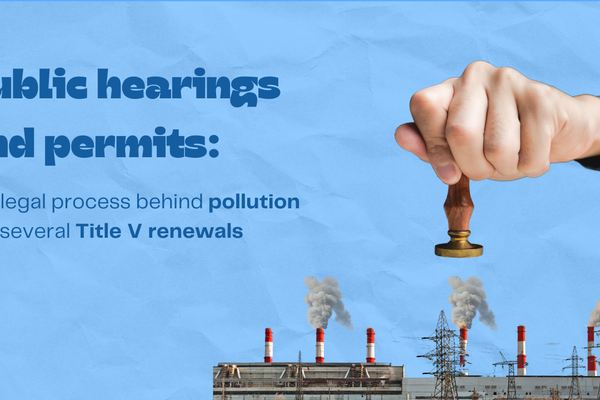
Multiple Houston-area oil and gas facilities that have violated pollution laws are seeking permit renewals

Multiple Houston-area oil and gas facilities that have violated pollution laws are seeking permit renewals

One facility has emitted cancer-causing chemicals into waterways at levels up to 520% higher than legal limits.

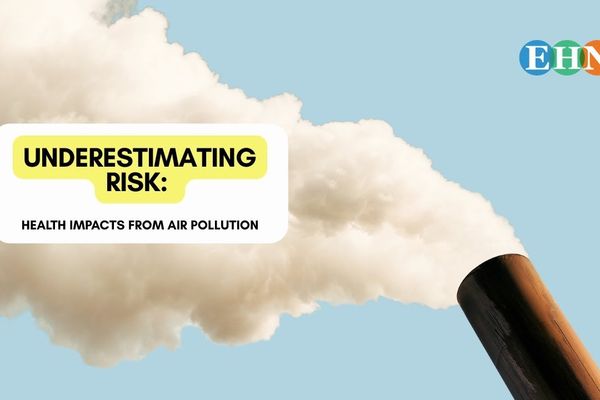
Regulators are underestimating health impacts from air pollution: Study

Regulators are underestimating health impacts from air pollution: Study

"The reality is, we are not exposed to one chemical at a time.”

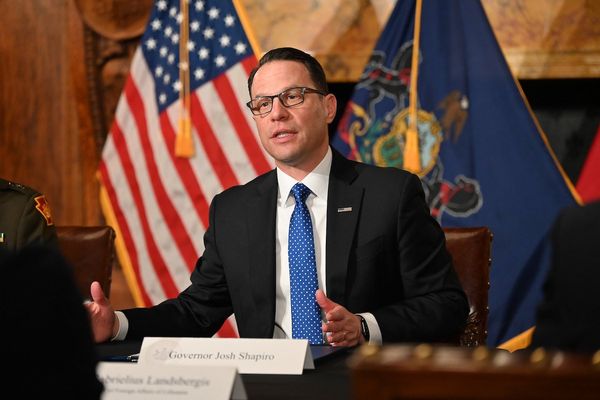
Pennsylvania governor Josh Shapiro speaks with the state flag and American flag behind him.

Two years into his term, has Gov. Shapiro kept his promises to regulate Pennsylvania’s fracking industry?

A new report assesses the administration’s progress and makes new recommendations

silhouette of people holding hands by a lake at sunset

An open letter from EPA staff to the American public

“We cannot stand by and allow this to happen. We need to hold this administration accountable.”

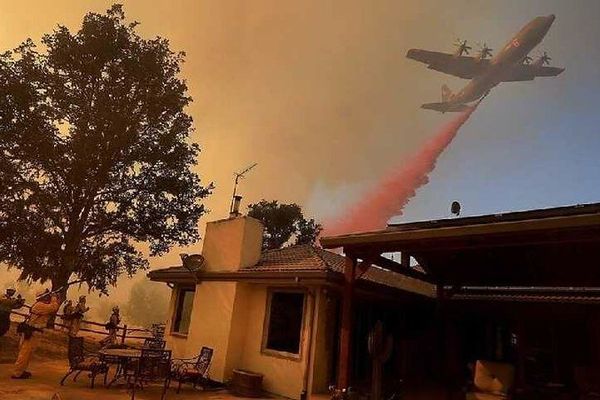
wildfire retardants being sprayed by plane

New evidence links heavy metal pollution with wildfire retardants

“The chemical black box” that blankets wildfire-impacted areas is increasingly under scrutiny.

Stay informed: sign up for The Daily Climate newsletter
Top news on climate impacts, solutions, politics, drivers. Delivered to your inbox week days.